Blog

2026 Top Water Flow Control Valve Types for Efficient Fluid Management?

Efficient management of fluid systems is vital across industries, making water flow control valves essential components. A recent report by MarketsandMarkets indicates that the global water control valve market is projected to reach $5.5 billion by 2025. This growth highlights the increasing demand for efficient fluid management solutions. Industries rely on water flow control valves to optimize performance, reduce waste, and improve sustainability.

Water flow control valves come in various types, each designed to address specific operational needs. These valves regulate water flow, maintaining optimal pressure and ensuring system reliability. The choice of valve impacts system efficiency and performance. Misjudgment in selecting the right type can lead to inefficiencies and increased operational costs.

Despite advances, some challenges persist. Many organizations overlook the importance of regular maintenance. Failure to address valve wear can result in leaks and diminished efficiency. Industry experts stress the need for ongoing training and development. As technology evolves, staying informed about the latest valve types and their applications becomes crucial for effective fluid management.
2026 Top Water Flow Control Valve Types for Efficient Fluid Management?

Overview of Water Flow Control Valves and Their Importance

Water flow control valves play a crucial role in managing fluid systems effectively. These valves regulate flow, pressure, and temperature in various applications. According to recent industry reports, effective fluid management can lead to a 20% reduction in energy costs for commercial facilities. This is notable, especially as water scarcity becomes a pressing issue globally.

The design and functionality of water flow control valves vary widely. Some valves are built to handle high pressure, while others focus on precision control. Each type serves distinct purposes, and understanding them is key. An inefficient valve can result in significant waste. A study revealed that up to 30% of water could be saved by upgrading to modern flow control systems. Despite these benefits, many users stick to outdated models, missing opportunities for improvement.

Efficient fluid management not only saves resources but also ensures operational reliability. This is essential in industries ranging from agriculture to manufacturing. Even small adjustments, like valve maintenance, can have substantial impacts. Users often overlook these details, leading to potential system failures. Balancing efficiency with performance requires constant evaluation and adaptation.

2026 Top Water Flow Control Valve Types for Efficient Fluid Management

Valve Type Function Material Applications Advantages
Ball Valve On/Off control Brass, Stainless Steel Residential, Industrial Durability, Low resistance
Gate Valve Isolation Cast Iron, Steel Water Supply, Sewage Minimal pressure drop
Globe Valve Regulating flow Stainless Steel, Bronze Heating systems, Chemical Effective at throttling
Check Valve Prevent backflow PVC, Rubber Pumping, Drainage Automatic operation
Pressure Relief Valve Maintain system pressure Stainless Steel, Plastic Hydraulics, Boilers Safety, Protection against overpressure

Types of Water Flow Control Valves for Fluid Management

Water flow control valves play a crucial role in managing fluid systems. Understanding the various types can lead to more efficient operations. Among the most common types are gate valves, globe valves, and ball valves. Each serves specific functions in different scenarios.

Gate valves are often used for on/off control. Their structure allows minimal flow resistance when fully open. However, they can be slow to operate.

Globe valves are ideal for regulating flow. They can adjust the flow rate easily, but they may cause a pressure drop.

Ball valves offer quick operation and tight sealing. They are versatile but can require regular maintenance to ensure longevity.

It's important to note that the selection of a valve affects the entire system's efficiency. A poorly chosen valve may lead to leaks, maintenance issues, or energy waste. This consideration is crucial for anyone overseeing fluid management. Understanding the nuances of each valve type can prevent costly mistakes and help achieve optimal performance.

Key Features to Consider When Choosing Flow Control Valves

2026 Top Water Flow Control Valve Types for Efficient Fluid Management?

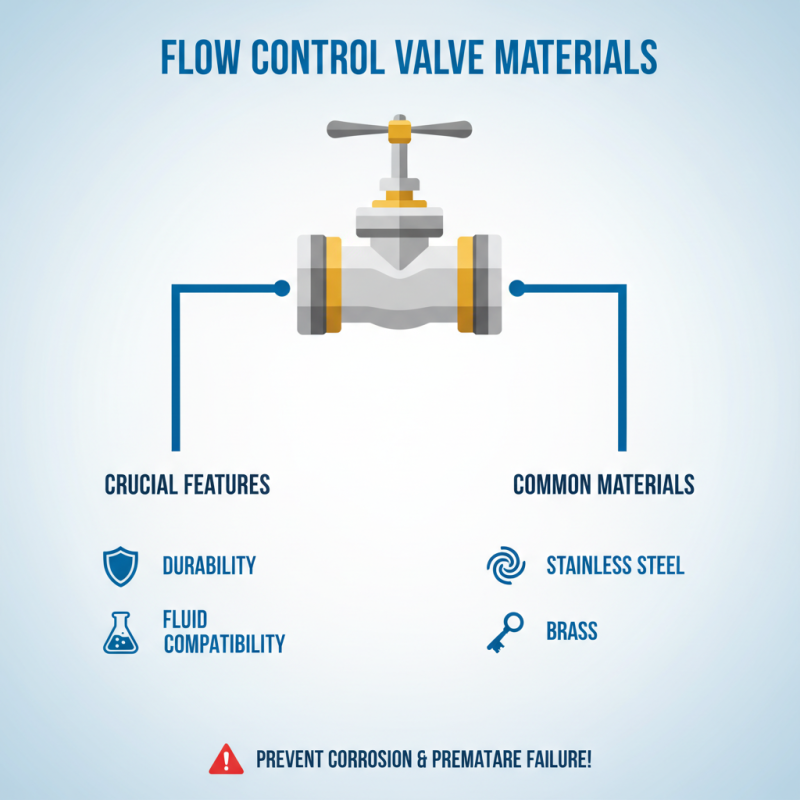
When selecting flow control valves, several features are crucial. The material of the valve affects durability and compatibility with different fluids. Common materials include stainless steel and brass. Choosing the right material can prevent corrosion. You don’t want your valve to fail prematurely.

Another important aspect is valve size. The correct size ensures optimal flow control. An oversized valve can lead to turbulence. Conversely, an undersized valve may restrict flow. Both situations can lead to inefficiencies. Visualizing the flow path helps in making this decision.

Lastly, consider the pressure ratings. Each valve has specific limits. Exceeding these limits can cause leaks or catastrophic failures. It's essential to match the valve’s ratings to your system's requirements. Take time to evaluate the specifications carefully. A small oversight here can lead to significant consequences.

Applications of Flow Control Valves in Various Industries

2026 Top Water Flow Control Valve Types for Efficient Fluid Management?

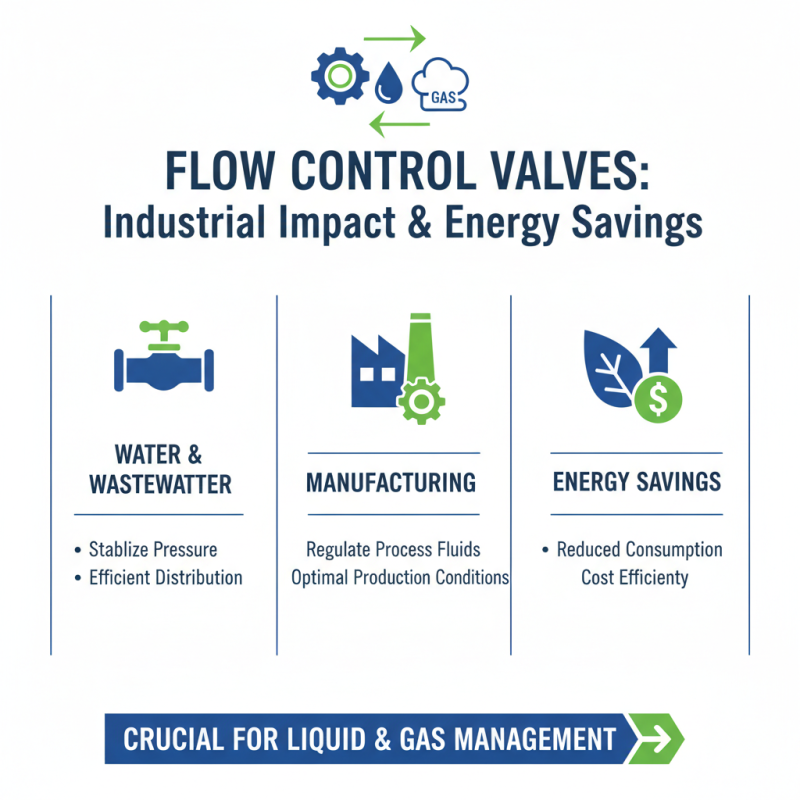
Flow control valves play a crucial role in various industries by managing the flow of liquids and gases. In the water and wastewater sector, these valves help to stabilize pressure, ensuring efficient distribution. In manufacturing, they regulate process fluids, maintaining optimal conditions for production. Notably, their impact on energy savings cannot be overlooked.

In agriculture, these valves contribute to irrigation efficiency. Proper flow control maximizes water use, reducing waste. However, the selection of the right valve can be challenging. Not every valve performs well in all conditions, and failure to choose wisely can lead to leaks or inefficiencies.

In the oil and gas industry, flow control valves are vital for safety. They prevent system overpressure, reducing the risk of accidents. Nonetheless, maintenance often gets overlooked. Regular checks are essential but frequently neglected, leading to potential failures. Awareness of these issues can enhance fluid management across all sectors.

Future Trends in Water Flow Control Valve Technology

The future of water flow control valve technology is both exciting and challenging. Innovations are emerging rapidly, driven by the need for efficient fluid management. Advanced materials, such as composites, are now being utilized. These materials promise enhanced durability and resistance to corrosion, which is vital in managing water flow effectively.

Moreover, smart technology is reshaping the landscape. Sensors and IoT integration allow for real-time monitoring. This enables users to gather data on flow rates and pressure levels. Yet, this technology isn’t without flaws. Connectivity issues can arise, disrupting operations. Additionally, the analysis of this data requires skilled personnel, which can be a hurdle for some organizations.

Sustainable practices are also gaining traction. Biodegradable components in flow control valves are being developed. These innovations aim to reduce environmental impact during their lifecycle. Still, widespread adoption remains a challenge. Many industries are hesitant to shift from conventional methods. Transitioning involves investment and training, both of which take time. The journey towards more efficient valves is ongoing, filled with potential and hurdles to overcome.