
Blog

7 Pallet Conveyor Tips for Better Warehouse Efficiency

Warehouse efficiency often depends on small movements repeated thousands of times each day. A well-planned Pallet Conveyor can reduce manual pushing, shorten travel distances, and keep goods moving between receiving, storage, and dispatch. Yet equipment alone does not create reliable performance. Conveyor speed, pallet condition, load weight, aisle space, and operator habits must work together. A damaged pallet can stop an otherwise efficient line within seconds.

This guide presents seven practical tips for improving pallet conveyor performance. Each tip reflects common warehouse experience, including layout reviews, preventive maintenance, and safer material-handling practices. Expect details such as checking roller alignment, measuring transfer points, and clearing debris near drive components. Small adjustments matter. A loose chain or poorly positioned sensor may cause repeated delays that remain invisible in monthly reports.

No warehouse operates perfectly. Some recommendations may need testing before full adoption. A high-speed setting could increase throughput, but it may also create congestion at the next station. The best decision depends on measured results, not assumptions. Track cycle time, stoppages, damaged goods, and maintenance calls after each change. Ask operators what they notice during busy shifts. Their feedback often reveals problems that dashboards miss.

Keep the process practical.

With disciplined inspections and thoughtful planning, warehouses can improve flow without chasing unnecessary complexity. These seven tips offer a dependable starting point for safer, more consistent, and more productive conveyor operations.
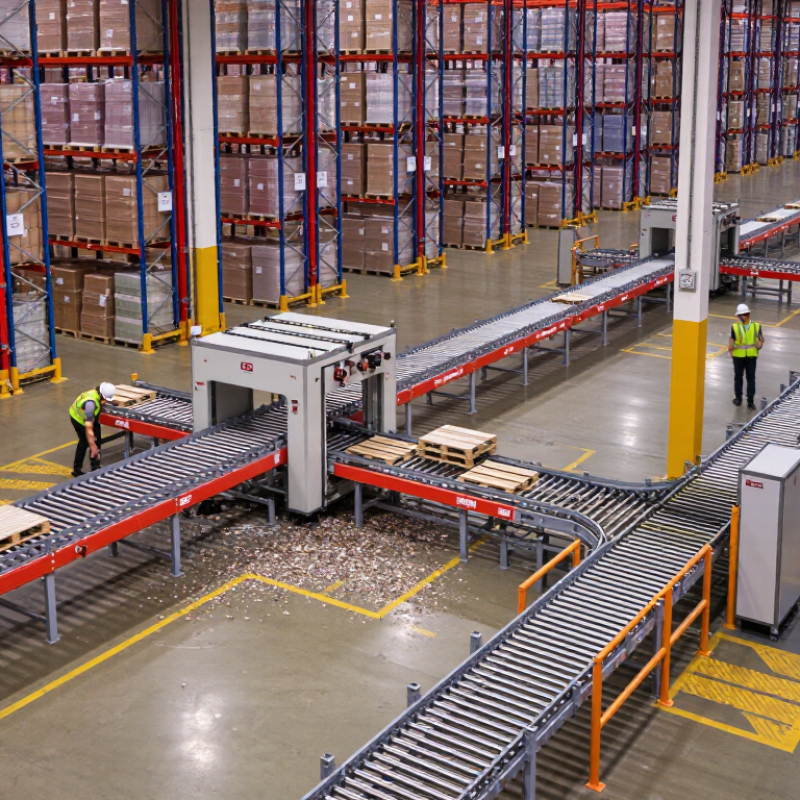
7 Pallet Conveyor Tips for Better Warehouse Efficiency

Understanding Pallet Conveyor Systems and Their Role in Warehouse Efficiency

Pallet conveyor systems connect receiving, storage, picking, and shipping with controlled movement. Their value is not simply speed. A well-planned system reduces manual lifting, limits travel distance, and keeps pallets moving through predictable routes. Seven practical checks matter: map the material flow, confirm load dimensions, select suitable conveyor types, plan accumulation zones, protect transfer points, monitor controls, and schedule maintenance.

Start with the pallet itself. Record its weight, width, length, bottom-board condition, and load stability. A damaged pallet can jam rollers or shift during transfer. Leave clear space around curves, scanners, and workstations. Even a small obstruction may create a long queue behind it. Accumulation zones should match real release rates, not optimistic estimates. This detail is often missed.

Sensors and controls should show where pallets stop and why. Operators need visible indicators and safe access for clearing faults. Daily inspections can catch loose rollers, unusual noise, and worn guides before they interrupt shipping. Measure travel time, blockage frequency, picking delays, and maintenance hours. These figures reveal whether the conveyor improves efficiency or only moves congestion elsewhere. More equipment is not always better. A smaller system may perform better when its layout fits actual warehouse behavior. That assumption deserves regular review.

Planning Conveyor Layout, Capacity, and Pallet Flow

Conveyor efficiency begins with the pallet’s journey, not the machine’s speed.

Map receiving, storage, picking, and shipping on a scaled floor plan. Keep travel lanes clear, and place turns where operators can see them.

Tip one: reduce unnecessary transfers.
Tip two: use straight sections where possible.
Tip three: leave enough space for maintenance access and safe pedestrian movement.

Calculate capacity from the busiest hour, not the daily average. Measure the peak hour. Include pallet weight, dimensions, loading gaps, and expected growth. A line rated for 60 pallets per hour may perform poorly when mixed pallet sizes create uneven spacing.

Tip four: add controlled accumulation before bottlenecks.
Tip five: protect critical zones with buffers, but avoid oversized buffers that hide problems.

Pallet flow should match the warehouse process. Use clear merge rules, reliable sensors, and consistent spacing between loads.

Tip six: separate fast-moving pallets from irregular orders when the layout allows it.
Tip seven: test emergency stops, restart procedures, and manual bypass routes before launch.

A practical trial with real pallets often reveals friction that drawings miss. I have seen small height differences cause repeated jams. That detail is easy to overlook. Review the layout after peak-season operations, because the original plan may no longer fit actual demand.

Choosing the Right Conveyor Type for Each Warehouse Operation

7 Pallet Conveyor Tips for Better Warehouse Efficiency

Choosing the right conveyor begins with the pallet, not the floor plan.

Gravity roller conveyors suit low-volume lanes and stable loads. Powered roller conveyors handle regular movement between receiving, storage, and shipping. Chain conveyors work better with heavy pallets or uneven bases. Belt conveyors can carry small items, but they may waste energy under heavy pallet loads.

Measure pallet width, weight, underside gaps, and turning radius.

Measure twice.

A conveyor that fits one pallet may jam another.

Accumulation deserves careful attention. Zero-pressure zones reduce collisions near packing or dock doors. Add transfers where forklifts, lifts, or cross-aisles interrupt the flow.

Keep controls simple, with visible emergency stops and clear maintenance access.

MHI’s 2024 Annual Industry Report found that 55% of supply-chain leaders planned to increase technology investment, while 83% viewed innovation as important.

Automation deserves a place, but not everywhere. An over-automated lane can create expensive idle time during slow shifts.

Test it.

Run peak pallets, damaged pallets, and empty spaces through the design. Record jams, noise, cycle time, and operator walking distance.

Our practical mistake is often trusting average volume.

Peak-hour congestion reveals the truth.

Review the layout after two weeks, because real warehouse behavior rarely matches the initial drawing.

Improving Throughput with Automation, Sensors, and Smart Controls

Better pallet conveyor efficiency begins with observing real warehouse flow, not simply increasing speed. Measure loading gaps, waiting time, pallet damage, and manual interventions across a normal shift. Keep it visible. A practical audit often reveals that poor spacing causes more delay than slow motors.

Use automatic accumulation to release pallets at steady intervals. Add photoelectric sensors at merges, transfers, and loading points. They should detect position reliably, even when pallets vary in height or wrapping. Smart controls can adjust conveyor speed, balance lanes, and route pallets toward available workstations. Zone control prevents an entire line from stopping when one section is blocked. Variable-speed drives can also reduce energy use during quieter periods. Small delays matter.

Connect sensor data to a simple dashboard showing jams, cycle time, and equipment status. Maintenance teams can then inspect recurring fault areas before breakdowns occur. Test every control change with empty and loaded pallets. Do not trust a perfect simulation. Real cartons shift, operators pause, and dusty sensors miss signals. Keep manual recovery procedures clear, and check emergency stops during scheduled inspections. Automation improves throughput only when people understand its limits and respond consistently.

7 Pallet Conveyor Tips for Better Warehouse Efficiency - Improving Throughput with Automation, Sensors, and Smart Controls

No. Efficiency Tip Recommended Automation or Control Useful Data Dimension Practical Target Expected Operational Benefit
1 Balance conveyor zones Use zero-pressure accumulation with independent motorized zones so pallets stop without contacting one another. Zone occupancy, blocked time, release interval, and pallet spacing. Maintain approximately 10–20% spare capacity during normal peak periods. Reduces congestion, product contact, and repeated starts and stops.
2 Install sensors at decision points Place photoelectric or laser sensors at transfers, accumulation zones, merges, and pallet-stop positions. Detection response time, missed detections, blocked sensors, and false triggers. Use response times below 100 milliseconds where high-speed accumulation is required. Improves pallet tracking and prevents avoidable stoppages caused by poor detection.
3 Automate identification and routing Combine barcode or RFID identification with programmable logic controls and automatic divert stations. Read rate, misroute rate, scan-to-divert time, and exception volume. Design for a barcode read rate of at least 99.5% under normal operating conditions. Lowers manual keying, sorting errors, and unnecessary pallet recirculation.
4 Use variable-speed control Apply variable-frequency drives and speed profiles that adjust conveyor velocity to demand and downstream availability. Motor speed, queue length, cycle time, energy consumption, and downstream availability. Operate only as fast as the slowest active process can safely receive pallets. Reduces unnecessary energy use, mechanical wear, and accumulation pressure.
5 Monitor throughput in real time Connect conveyor controls to a warehouse management or supervisory monitoring system with live dashboards. Pallets per hour, utilization, downtime minutes, queue size, and mean time between stops. Track throughput by shift and compare actual output with the planned rate. Makes bottlenecks visible before they become extended operational delays.
6 Adopt condition-based maintenance Use vibration, temperature, current, and runtime monitoring for motors, gearboxes, rollers, and bearings. Unplanned downtime, fault frequency, vibration trend, motor current, and mean time to repair. Review trend alarms before measured values reach equipment limits. Supports planned repairs and reduces the likelihood of sudden conveyor failures.
7 Design for safe and efficient pallet flow Use guarded transfer points, presence detection, emergency-stop circuits, adjustable guides, and standardized pallet dimensions. Transfer faults, damaged pallets, emergency stops, safety events, and manual interventions. Keep pallet overhang, load height, and weight within documented conveyor design limits. Improves uptime, protects workers and goods, and reduces rework caused by unstable loads.
Measurement note: Targets are general engineering guidelines rather than guaranteed results. Validate sensor specifications, conveyor speed, pallet dimensions, safety requirements, and throughput capacity against the site layout and applicable regulations before implementation.

Maintaining Conveyor Performance Through Safety Checks and Preventive Care

7 Pallet Conveyor Tips for Better Warehouse Efficiency

Reliable pallet conveyor performance begins with repeatable safety checks, not occasional repairs. Before each shift, inspect guards, emergency stops, warning labels, and access gates. Test the stop control from a safe position. Keep it visible. Look for loose bolts, damaged rollers, unusual gaps, or pallets sitting unevenly. These small defects can become serious hazards during peak loading periods.

Clean the conveyor regularly, especially around rollers and transfer points. Remove shrink wrap, broken wood, dust, and spilled materials before they reach moving parts. Check chains, bearings, belts, and drive units for wear or heat. Listen for grinding or rhythmic knocking. A simple temperature reading can reveal trouble earlier than a breakdown. Follow the equipment manual for lubrication intervals, and never lubricate moving parts while the system operates.

Record every inspection, adjustment, and replacement in a maintenance log. Clear records help technicians identify repeated failures and schedule repairs during quieter hours. Train operators to report slow movement, pallet drift, or unusual noise immediately. I have seen teams postpone minor repairs during busy shifts, only to face longer stoppages later. That decision may save minutes today, but it can reduce safety and productivity tomorrow. Review the checklist often, because an overlooked step can still exist in a well-designed process.

7 Pallet Conveyor Tips for Better Warehouse Efficiency

Recommended inspection frequency for maintaining conveyor performance through safety checks and preventive care

Frequent checks help identify unsafe conditions before they cause downtime. Shift-based checks are suitable for high-use items such as load alignment, housekeeping, and belt tracking, while lubrication should follow the conveyor manufacturer’s maintenance instructions.