What is a Ball Valve and How Does it Work?
Ball valves are essential components in many industrial systems, ensuring reliable fluid control. According to John Smith, a leading expert in valve technology, "Ball valves provide a simple and reliable solution for controlling flow." Their design allows for quick operation, making them a favored choice in various applications.
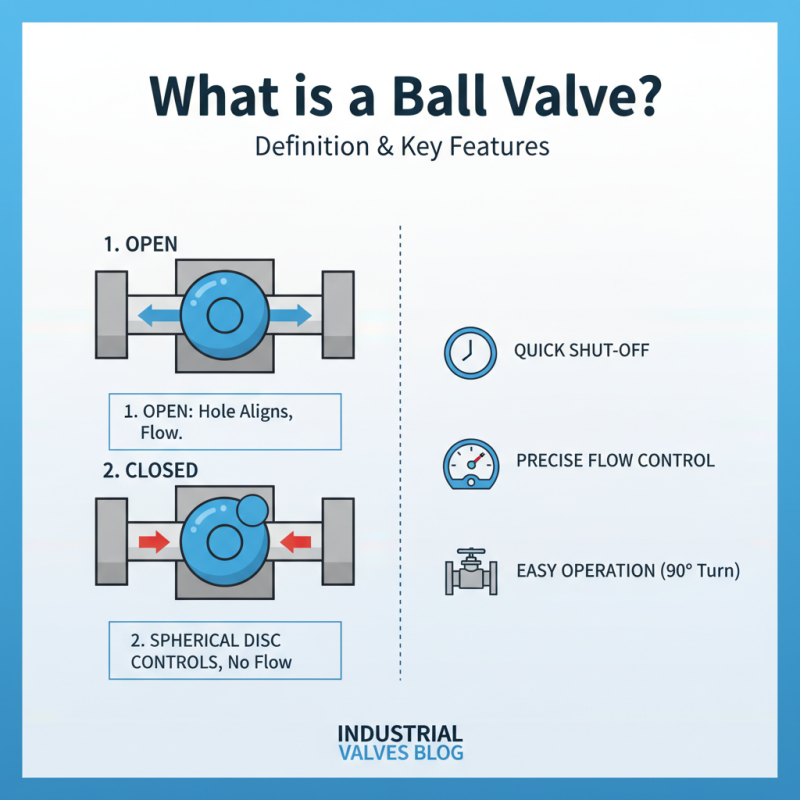
These valves utilize a spherical disc to manage flow effectively. When the valve is open, the ball aligns with the flow path, allowing smooth fluid movement. Conversely, when closed, the ball takes a position perpendicular to the flow, blocking it completely. This design not only minimizes leakage but also requires less operable force to engage, enhancing usability.
However, not all ball valves are created equal. Some models may struggle under extreme pressure or temperature conditions. It's vital to choose the right type based on specific requirements. Industries often overlook this aspect, potentially leading to failures. Understanding the intricacies of ball valves is key to maximizing their performance and reliability in any system.
What is a Ball Valve? Definition and Key Features Explained
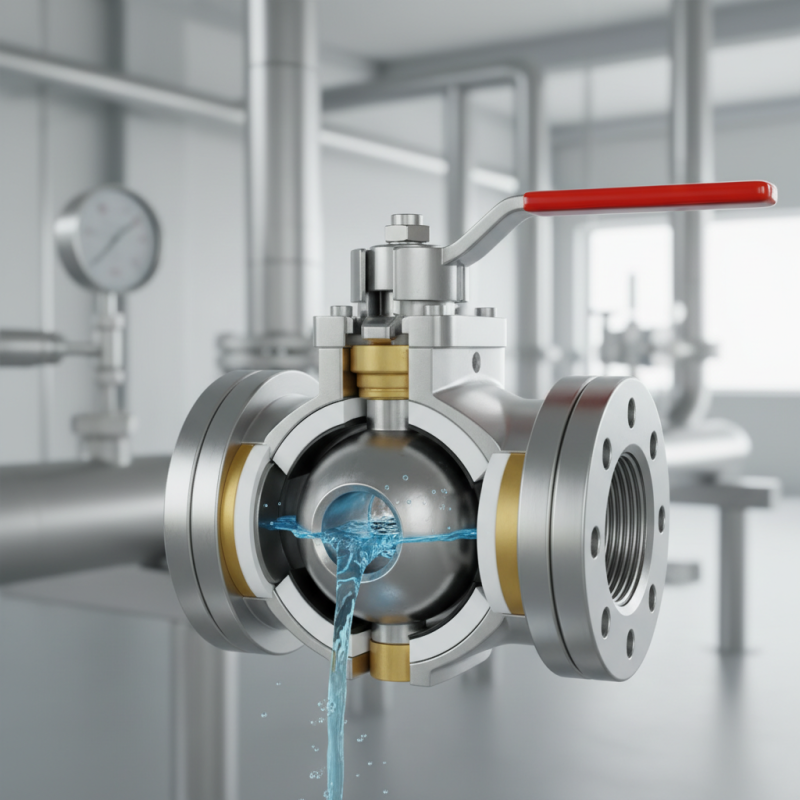
A ball valve is a type of valve that uses a spherical disc to control fluid flow. The ball has a hole or port through the center. When the valve is open, the hole aligns with the pipe, allowing flow. When closed, the ball rotates to block the passage. This mechanism allows for quick shut-off and precise flow control.
Ball valves are known for their durability and reliability. Made from various materials, they suit many applications. Their design minimizes pressure drops. This makes them efficient. However, one might overlook maintenance. Regular inspection is crucial for optimal performance. Neglect can lead to issues over time, affecting functionality.
Another key feature is their ease of operation. A simple quarter turn is all it takes to close or open. This simplicity is beneficial in high-pressure applications. Yet, improper installation can lead to leaks. Users must be attentive to mounting conditions. Understanding these aspects enhances the reliability of ball valves in any system.
The Mechanism Behind Ball Valves: How They Operate
Ball valves are widely used in piping systems for controlling fluid flow. The key component inside is a hollow, perforated sphere. When turned, this ball aligns its hole with the pipe, letting fluid pass through freely. Turning the valve 90 degrees blocks flow by positioning the solid part of the ball against the pipe opening.
The valve's mechanism is deceptively simple, but precision is crucial. The ball sits snugly between two seals to prevent leaks. As the handle rotates, it moves the ball with minimal effort, thanks to the smooth surface and tight seal. However, over time, wear or debris can impact this tight seal, causing minor leaks or a stiffer turn. Maintenance is essential to ensure long-term performance.
One interesting detail is the valve’s quick operation. It opens or closes rapidly, making it ideal for emergency shutoffs. Yet, this quick action can sometimes cause water hammer effect in pipelines if not managed correctly. Understanding these nuances shows the importance of proper installation and regular inspection, which is often overlooked in practical use.
Types of Ball Valves: Full-Bore, Reduced-Bore, and Specialty Options
Ball valves are essential components in various industries, enabling efficient fluid control. Different types of ball valves serve unique functions. Full-bore ball valves feature a bore that matches the pipeline diameter. This design allows for minimal flow resistance and maximizes fluid flow. According to a report by the Market Research Future, the demand for full-bore ball valves is expected to grow significantly due to their efficiency in large pipeline systems.
Reduced-bore ball valves, on the other hand, have a smaller diameter opening. While this design increases turbulence, it also reduces flow capacity. This might be suitable for applications where high flow rates are not critical. Specialty ball valves include various designs tailored for specific applications, such as high-pressure environments or corrosive substances. Recent studies indicate a rising interest in specialty options, particularly in sectors like oil and gas, where unique valve requirements are prevalent.
Understanding the advantages and limitations of each type is crucial for selecting the right valve. For example, full-bore variants allow for easy cleanout and maintenance, but may be more expensive. Reduced-bore options are cost-effective but can compromise flow efficiency. Each design has its trade-offs, emphasizing the need for careful consideration in engineering applications.
Applications of Ball Valves in Various Industries and Their Benefits
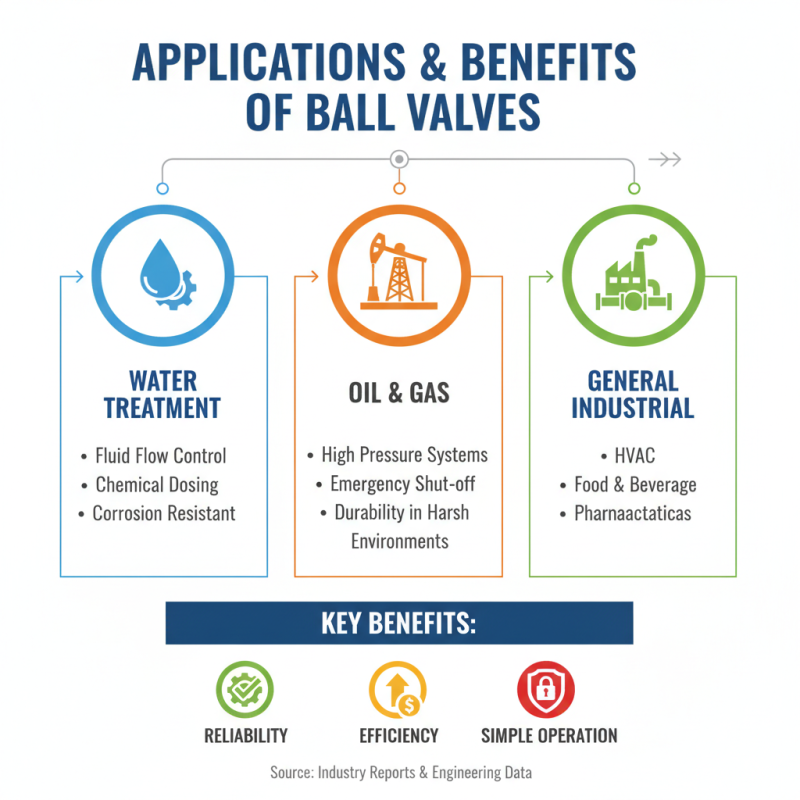
Ball valves are widely utilized across various industries due to their reliability and efficiency. These valves operate by using a spherical disk known as a ball. Rotating the ball allows or restricts the flow of fluid. Their design is simple yet effective, making them essential in sectors like water treatment and oil and gas.
In the manufacturing industry, ball valves play a critical role. They control the flow of liquids and gases with precision. Their ability to maintain pressure and prevent leaks is invaluable. Many facilities prefer ball valves for their durability. However, improper installation can lead to significant issues. Understanding the installation process is key to reliable performance.
In the food and beverage sector, cleanliness and hygiene are paramount. Ball valves meet these standards effectively. They can be easily cleaned and sanitized. Their smooth operation minimizes contamination risks. Yet, users must ensure they're purchasing the right type for their specific applications. Not all ball valves are designed for food safety. Ultimately, awareness of the right specifications can enhance operational safety and efficiency.
Maintenance and Inspection Practices for Ensuring Ball Valve Performance
Regular maintenance and inspection of ball valves are vital for optimal performance. According to industry reports, nearly 30% of valve failures stem from inadequate maintenance practices. This highlights the need for systematic checks. Inspecting seals and seats is crucial. Even minor wear can lead to leaks, escalating operational costs.
Monitoring valve alignment is another key factor. Misalignment can cause uneven wear, jeopardizing efficiency. Data suggests that 15% of valve issues arise from improper installation. Using proper tools during installation is essential to avoid these pitfalls.
Scheduled inspections, ideally every six months, can catch problems early. A robust maintenance log can help track performance trends. However, many facilities overlook documentation. This oversight can lead to costly downtime. It is important for operators to ensure that maintenance practices are not just routine but reflective of actual valve conditions.