What is a Basket Strainer and How Does it Work?
Basket strainers play a crucial role in various industries. They protect pumps and other equipment from debris. An expert in fluid management, John Smith, says, “Well-maintained basket strainers improve system efficiency and extend equipment life.”
These devices work by filtering out unwanted particles from liquids. Positioned in pipelines, they trap contaminants, ensuring smooth operation. Regular maintenance is vital to prevent clogs and ensure performance. Without attention, a basket strainer can become ineffective, causing costly disruptions.
Understanding how basket strainers function is essential for operational success. They serve as a protective barrier in complex systems. However, many overlook their importance. Investing in quality strainers and consistent upkeep can greatly benefit any industrial process.
Understanding the Basics of Basket Strainers
Basket strainers play a crucial role in fluid systems. They are devices designed to remove unwanted particles from liquids. Understanding how these strainers function is essential for efficient operations. Typically, a basket strainer contains a mesh filter that captures debris while allowing the fluid to pass through. This simple design significantly minimizes wear and tear on pumps and valves.
When selecting a basket strainer, consider flow rate and particle size. Choose a mesh size that matches your system's needs. Proper installation is essential to prevent leaks or blockages. It's often overlooked, but ensuring the strainer is accessible for maintenance is vital.
Regular cleaning of the filter is necessary for optimal performance. Schedule maintenance checks to monitor debris accumulation. Neglecting this can lead to decreased flow and increased pressure drops. Take note of any changes in performance, as they may indicate issues needing immediate attention. Understanding and maintaining your basket strainer can greatly enhance system reliability and efficiency.
Basket Strainer Efficiency Analysis
This chart illustrates the efficiency of basket strainers at different flow rates. As the flow increases, the efficiency tends to remain high, although it slightly dips at very high flow conditions.
Components and Design of a Basket Strainer
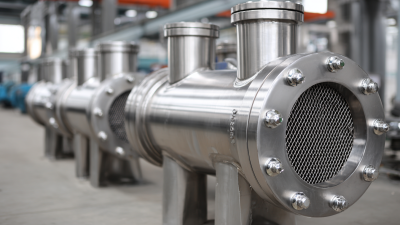
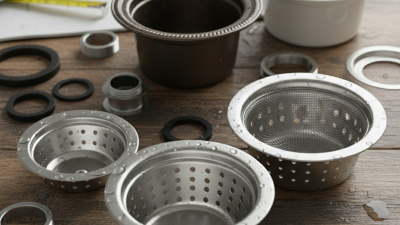
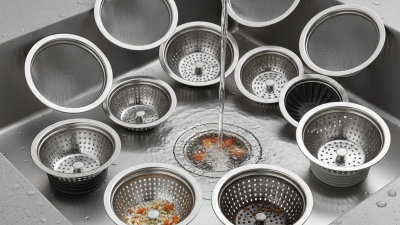
A basket strainer is an essential device used to filter out unwanted particles from liquids. Its design consists of a cylindrical basket that holds a filter mesh. These components are vital for effective filtration and protect downstream equipment from damage. The basket’s mesh can vary in size, depending on the application. Generally, a finer mesh is needed for smaller particles.
The body of the basket strainer is typically made of durable materials like stainless steel or PVC, providing corrosion resistance. Easy access to the internal basket allows for quick cleaning. The strainer's inlet and outlet connections ensure seamless integration into existing pipelines. Sometimes, users overlook the importance of regular maintenance. Neglecting this can lead to clogs and reduced effectiveness over time.
Checking the strainer regularly can prevent costly downtime. Consider the pressure differential across the strainer; if it exceeds recommended levels, service is needed. Proper installation also plays a significant role in the device's performance. Ensuring the right orientation during installation can alleviate problems later. Remember, even small details matter in achieving efficient operation.
How a Basket Strainer Works in Fluid Systems
A basket strainer is crucial in many fluid systems. It helps filter out debris and particles, ensuring the fluid remains clean. By using a mesh basket, these strainers can effectively trap solids while allowing liquids to flow through. In industries such as oil and gas, water treatment, and food processing, the efficiency of a basket strainer can significantly impact system performance.
Fluid systems often face challenges from contaminants. According to industry reports, around 70% of system failures stem from impurities. A well-maintained basket strainer reduces this risk, filtering out particles larger than the mesh size. This can prevent clogging and wear in pumps and valves, thus extending equipment life. Regular inspections are essential, yet many systems overlook this. A study showed that nearly 40% of facilities do not replace their strainers as often as needed.
Properly functioning basket strainers improve fluid flow and minimize downtime. However, incorrect installation or sizing can lead to operational inefficiencies. It's vital to match the strainer size with the system requirements to avoid pressure drops. Operators must be vigilant and proactive. Regular monitoring can reveal hidden issues before they escalate, ensuring a smooth operation. The complexity of fluid systems necessitates an ongoing commitment to maintenance and awareness.
What is a Basket Strainer and How Does it Work?
| Dimension |
Description |
Importance |
| Material |
Stainless Steel, Carbon Steel |
Durability and resistance to corrosion |
| Mesh Size |
Varies (20 to 400 mesh) |
Filters out specific particle sizes from fluid |
| Flow Rate |
Variable (depends on size and application) |
Affects efficiency of fluid systems |
| Pressure Ratings |
Up to 150 PSI or higher |
Ensures safety during operation |
| Applications |
Oil, Gas, Water, Chemicals |
Used in various industries for filtration |
| Maintenance |
Regular cleaning and inspection |
Maintains functionality and efficiency |
Benefits of Using a Basket Strainer in Industrial Applications
Basket strainers are essential tools used in various industrial applications to filter out debris and solids from liquids. They boast several benefits that enhance system efficiency. One key advantage is their ability to prolong the life of pumps and machinery by minimizing wear and tear caused by contaminants. This reliability is crucial in sectors like manufacturing and water treatment, where interruptions can lead to significant downtime.
The design of a basket strainer allows for easy maintenance. Operators can remove and clean the strainer without disrupting the entire system. This feature saves time and reduces operational costs. Regular checks on the strainer can prevent blockages and ensure optimal flow rates. It’s imperative to monitor the condition of the strainer to avoid unexpected malfunctions.
Tips for maintaining a basket strainer include checking it regularly for build-up. Ensure the cleaning schedule aligns with the system's usage levels. Keep a log of maintenance activities to identify patterns in performance. Remember, even the best equipment requires attention to function efficiently. Always be prepared to adjust your maintenance practices based on the specific demands of your operation.
Maintenance Tips for Ensuring Optimal Performance of Basket Strainers
Maintaining a basket strainer is essential for its optimal performance. Regular cleaning is one of the key maintenance practices. Strainers filter out debris, but they can get clogged over time. Depending on usage, inspect the strainer weekly or monthly. A clogged strainer can cause pressure drops and reduce efficiency in the system. Always use appropriate protective gear while cleaning to ensure safety.
Another important aspect is monitoring flow rates. Sudden changes may indicate a blockage or malfunction. Keeping a log of flow rates can help in early detection of issues. This practice not only avoids costly repairs but also extends the strainer’s lifespan. However, it is easy to neglect this step if routine checks are not made a priority.
Replacing the strainer elements at scheduled intervals is crucial. Over time, these elements wear out due to constant use. Ignoring this can lead to failures that affect the entire system. Maintain an inventory of replacement parts for timely swaps. Regular training for staff on strainer maintenance can address knowledge gaps and promote best practices. Following these guidelines can drastically improve the efficiency and longevity of your basket strainers.