Top 5 Benefits of Using Butterfly Valves for Your Projects?
In recent years, the utilization of butterfly valves has gained significant traction in various industrial applications. According to a report by MarketsandMarkets, the butterfly valve market is projected to reach $8.5 billion by 2025, driven by the increasing demand for efficient flow control systems. This growth reflects the versatility and reliability of butterfly valves in sectors such as water treatment, oil and gas, and chemical processing.
Butterfly valves are favored for their lightweight design and quick operation. Their unique construction allows for a compact design, making them ideal for tight spaces. Studies indicate that these valves can reduce energy consumption due to lower flow resistance compared to traditional valves. Despite their advantages, users must consider the specific applications and pressure requirements to avoid potential performance issues.
Understanding how to effectively integrate butterfly valves into projects is essential for engineers and project managers. While this technology offers numerous benefits, the choice of valve must be carefully evaluated. Selecting the right valve ensures optimal performance, making it crucial to stay informed about advancements and best practices in the field.
Overview of Butterfly Valves and Their Applications
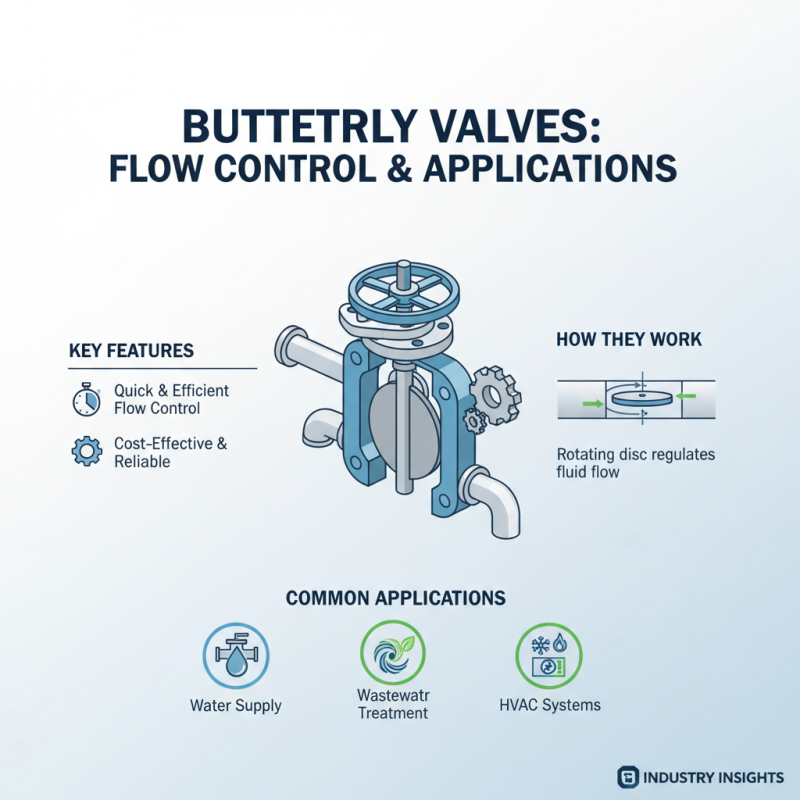
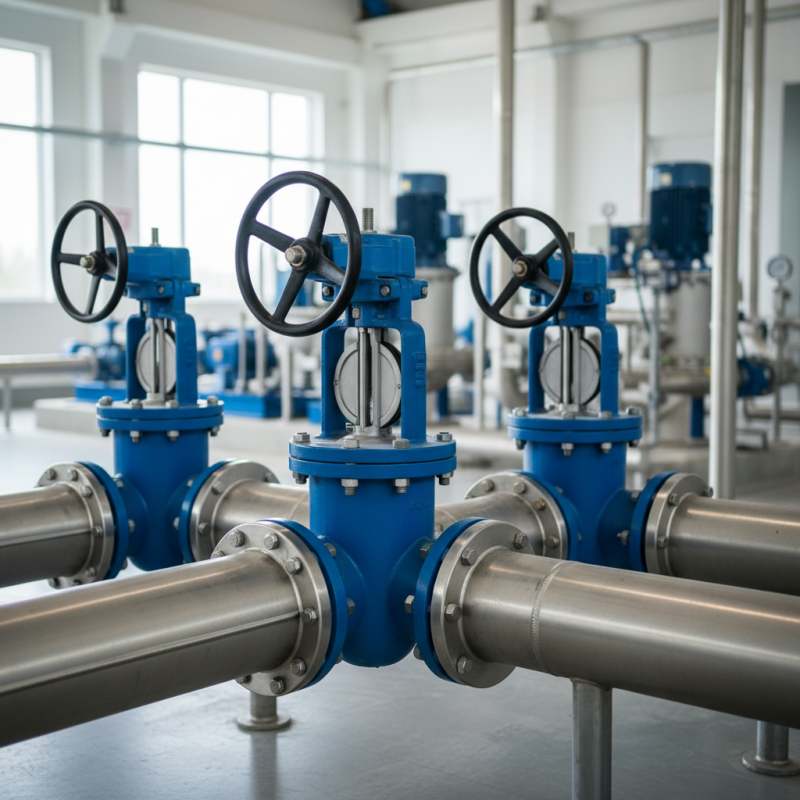
Butterfly valves are essential components in many industries. Their design allows for quick and efficient flow control. These valves are widely used in water supply, wastewater treatment, and HVAC systems. They function by using a rotating disc to regulate fluid flow. This simple mechanism makes them cost-effective and reliable.
The applications of butterfly valves span across various sectors. In the chemical industry, they handle corrosive liquids with ease. In power plants, they assist in managing steam and other gases. However, some users report challenges in achieving tight seals at high pressures. It may be necessary to choose the right materials for specific environments. This consideration can improve performance and longevity.
Despite their many advantages, users must stay informed. Regular maintenance is crucial to optimize valve performance. Proper installation techniques can prevent leaks and ensure safety. Understanding these details can make a significant difference in project outcomes. Consequently, project managers should prioritize training and proper resources for their teams.
Enhanced Flow Control and Regulation Benefits
Butterfly valves are widely recognized for their enhanced flow control capabilities. These valves are designed to regulate flow efficiently, and they can significantly reduce losses due to turbulence. According to a report by the Engineering and Industrial Research Association, butterfly valves can improve flow regulation by more than 20% in certain applications. This efficiency is crucial in industries such as water treatment and chemical processing, where precise flow control can impact overall system performance.
Another significant benefit is the reduced space requirement. Butterfly valves occupy less space than traditional valves, making them ideal for projects with limited installation areas. A study from the Valve Manufacturers Association indicates that space-saving designs can lead to a 15% reduction in installation costs. However, users should be cautious. While these valves are efficient, they may not handle high-pressure applications as effectively as other valve types. This presents a need for careful selection based on project specifications.
The ease of operation is another appealing feature. Butterfly valves have a simple quarter-turn design, making them easy to actuate. This simplicity often results in reduced maintenance needs. Nevertheless, some users report challenges in achieving reliable sealing under certain conditions. It’s vital to assess the specific application requirements to avoid potential issues. Balancing these advantages and limitations ensures optimal use of butterfly valves in various projects.
Top 5 Benefits of Using Butterfly Valves for Your Projects
| Benefit |
Description |
Application |
Material Options |
| Enhanced Flow Control |
Allows precise control of fluid flow, making it suitable for various applications. |
Water distribution, HVAC systems. |
Cast iron, stainless steel, PVC. |
| Compact Design |
Space-saving design allows for installation in tight spaces. |
Mechanical assemblies, smaller piping systems. |
Aluminum, polypropylene. |
| Cost-Effectiveness |
Lower manufacturing and maintenance costs compared to other valve types. |
Municipal water systems, industrial applications. |
Carbon steel, reinforced plastic. |
| Quick Operation |
Provides a fast on/off operation with minimal torque required. |
Emergency shutoff, system isolation. |
Nylon, fiberglass reinforced materials. |
| Durability |
High resistance to wear and corrosion, ensuring a long lifespan. |
Chemical processing, wastewater management. |
Stainless steel, bronze. |
Space-Saving Design and Installation Advantages
When considering space-saving design in various projects, butterfly valves emerge as an excellent solution. Their compact structure allows them to fit into tighter spaces. Unlike traditional valves, which can be bulky, butterfly valves require minimal installation space. This feature is vital in applications where every inch counts.
A key advantage of butterfly valves is their easy installation. These valves can be quickly fitted into existing pipelines. The lightweight nature reduces installation time, making projects more efficient. This is particularly beneficial in retrofitting processes where space is limited.
Tips for maximizing space include evaluating the piping layout carefully. Consider the valve's orientation and leverage modular configurations. In tight quarters, using a smaller actuator can also help. This not only conserves space but also streamlines maintenance tasks. Always consult with a professional to ensure proper fit and function. Potential mistakes in installation can lead to leaks and costly repairs, so attention to detail is essential.
Cost-Effectiveness in Long-Term Project Planning
When planning long-term projects, cost-effectiveness becomes a key consideration. Butterfly valves are often overlooked in this regard, yet their adoption can lead to significant savings. These valves have a simple design, which helps lower manufacturing costs. Their lightweight nature also reduces installation expenses, making them attractive for budget-conscious projects.
Maintenance of butterfly valves is generally less frequent compared to other types. This means lower repair costs over time, although initial installation might require more attention. Users sometimes report challenges with erosion and wear under high flow conditions. Regular checks can help mitigate these issues, ensuring the valves perform optimally.
Another aspect is energy efficiency. Butterfly valves can offer lower operational costs due to their effective flow control. However, incorporating them requires thoughtful planning to avoid potential pitfalls, such as pressure loss. While they promise savings, understanding their limitations is essential for maximizing benefits in your projects. Users must balance initial investments against long-term gains, often reflecting on their choices as projects evolve.
Top 5 Benefits of Using Butterfly Valves for Your Projects
Durability and Maintenance Considerations for Butterfly Valves
Butterfly valves are renowned for their durability and low maintenance requirements. In many industries, they can last up to 20 years when properly installed and maintained. Their simple design allows for easy operation and minimal wear and tear over time. A report from the Valve Manufacturers Association notes that regular inspections can further enhance their lifespan, ensuring that they operate efficiently for years.
Maintenance considerations for butterfly valves include routine checks for wear on sealing elements. This aspect is crucial since a degraded seal can lead to leaks. Reports suggest that nearly 35% of valve failures are due to seal failure. Additionally, proper lubrication can prevent sticking and facilitate smooth operation. However, some users may overlook these simple tasks, leading to costly repairs. It's important to emphasize preventive actions.
Furthermore, the environment plays a significant role in the valve's durability. Extreme temperatures or chemical exposure can accelerate degradation. Yet, many projects fail to consider these factors during the selection process. Tailoring the choice of butterfly valve to the operating conditions can make a notable difference. Regular training for maintenance staff can also address potential knowledge gaps, enhancing overall reliability.