Top 10 Benefits of Using Pneumatic Rotary Actuators for Automation?
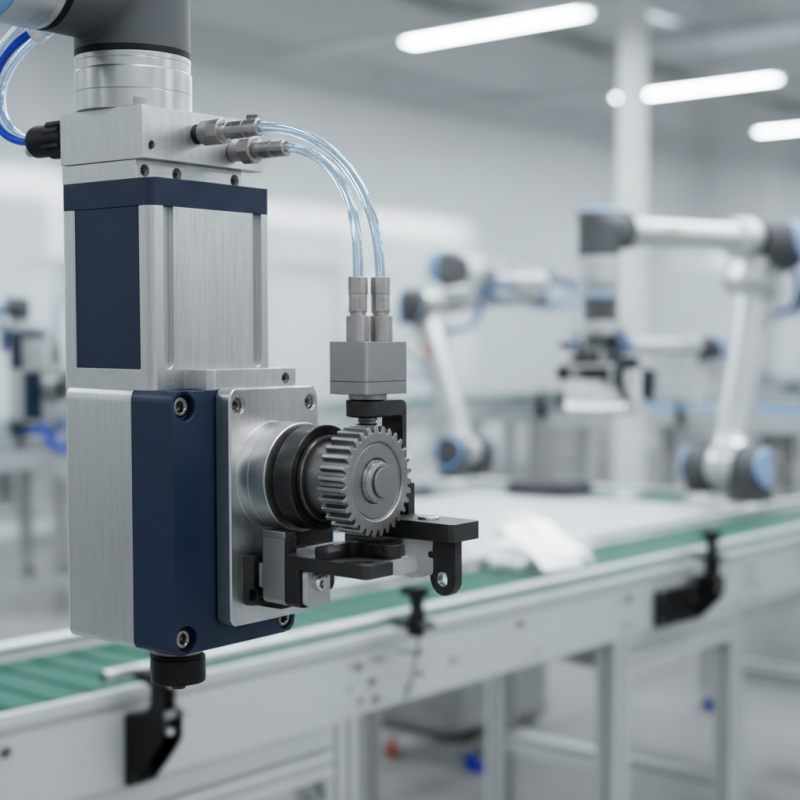
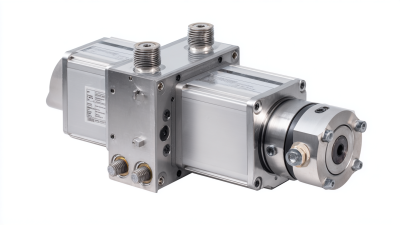
Pneumatic rotary actuators play a crucial role in modern automation systems. They enhance performance in various industries. These devices convert compressed air into rotary motion, making them efficient and reliable.
One major benefit is their speed. Pneumatic rotary actuators can operate quickly, allowing for rapid cycle times. This feature helps factories increase production rates. However, this speed may require careful handling. Operators need training to ensure safe use.
Another advantage is their simplicity. The design of pneumatic rotary actuators is straightforward. Fewer moving parts mean reduced maintenance. Yet, users must regularly check for wear and tear. Regular inspections ensure optimal performance. Overall, the significance of pneumatic rotary actuators in automation cannot be overlooked. Their benefits transform manufacturing processes and enhance efficiency.
Overview of Pneumatic Rotary Actuators and Their Applications
Pneumatic rotary actuators play a crucial role in Automation. They convert compressed air into rotary motion. This motion is vital for many industrial applications. According to a recent industry report, the global market for pneumatic actuators is expected to reach $7 billion by 2025. This growth reflects their increasing use across various sectors.
In manufacturing, pneumatic rotary actuators are essential for efficiency. They are commonly used in tasks like valve control and automation of conveyor systems. Their design allows for high torque output and quick response times. Notably, they can operate even in extreme conditions, maintaining reliability.
However, some limitations exist. Maintenance can be a challenge. Over time, wear and tear may affect performance. Additionally, the need for a reliable air supply is critical. Without it, operations can halt unexpectedly, leading to downtime. Understanding these nuances can help businesses make better decisions regarding their use.
Key Advantages of Pneumatic Rotary Actuators in Automation Systems
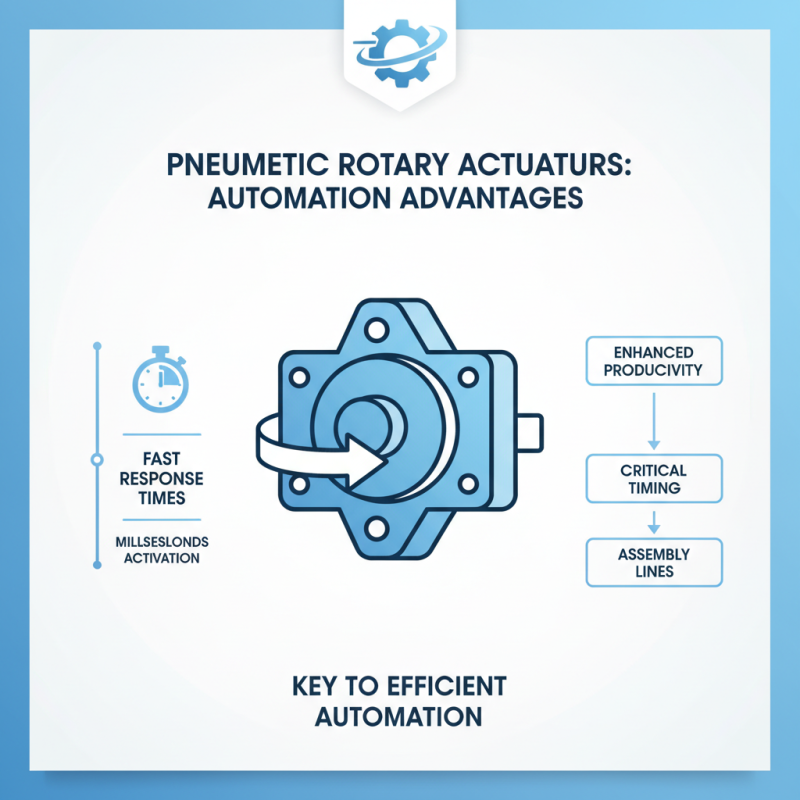
Pneumatic rotary actuators offer significant advantages in automation systems. Their fast response times are crucial for efficient operations. Reports indicate that these actuators can activate within milliseconds, which enhances productivity. This speed is particularly beneficial in assembly lines where timing is critical.
Moreover, pneumatic rotary actuators are lightweight and compact. This design makes them suitable for various applications. A study from the International Association of Automation estimated that using lighter actuators can reduce energy consumption by up to 30%. However, the pressure requirements can complicate installation. Many users overlook this aspect, leading to increased maintenance.
Durability is another key benefit. These actuators typically withstand harsh environments. Their resilience ensures longer service life, reducing frequent replacements. Yet, they might not perform well in extreme temperatures. Such conditions require careful selection and testing. Understanding the limitations is essential for optimizing automation efficiency.
Comparison of Pneumatic Rotary Actuators with Other Actuator Types
Pneumatic rotary actuators have distinct advantages over electric and hydraulic actuators. They offer rapid response times and can operate in environments unsuitable for other types. For instance, in a humid or dusty setting, pneumatic actuators perform reliably without the risk of damage from moisture or debris. The simplicity of the design allows for easier maintenance.
In contrast, electric actuators often require complex wiring and more extensive control systems. They can be slower to react due to the need for electronic signal processing. Hydraulic actuators, while powerful, can be bulky and require careful handling of fluid. They also pose environmental concerns with potential leaks.
However, pneumatic systems can face challenges. Air supply quality affects performance. Contaminated air can lead to actuator failure, demanding regular inspections and upkeep. Understanding these nuances is key. Users must choose based on application needs and environmental conditions. Each actuator type offers unique benefits and drawbacks; careful evaluation is crucial for optimal performance.
Top 10 Benefits of Using Pneumatic Rotary Actuators for Automation
Impact of Pneumatic Rotary Actuators on Efficiency and Productivity
Pneumatic rotary actuators play a crucial role in enhancing efficiency and productivity in automation. Their compact design allows for space-saving installations in various machinery setups. Each actuator delivers quick and precise rotational movements, which minimizes cycle times. This speed is essential for maintaining high throughput in manufacturing processes. Additionally, these actuators can operate in harsh environments, ensuring reliability in demanding tasks.
However, relying solely on pneumatic systems can lead to some challenges. Maintenance of air supply and pressure levels is critical, and fluctuations can disrupt performance. Operators may experience delays if the air supply is inconsistent. Moreover, these actuators can suffer from wear over time, affecting their overall efficiency. Regular checks are needed to ensure they function optimally, which adds to maintenance schedules.
Despite these challenges, the benefits are clear. The quick response times offered by pneumatic rotary actuators can transform production lines. They support automation tasks that require reliable and rapid movement. Investing in this technology can result in significant gains in productivity, provided that operators actively address potential drawbacks. Balancing efficiency with ongoing maintenance is key for optimal performance.
Safety and Maintenance Considerations for Pneumatic Rotary Actuators
Pneumatic rotary actuators are essential in many automated systems. However, safety and maintenance are critical considerations. Improper handling can lead to accidents. It's important to ensure all operators are trained in safe usage practices. Regular inspections can identify potential issues before they become serious.
Maintenance routines should include checking seals and connections. This can prevent air leaks, which affect efficiency. Using clean, dry air is crucial. Contaminants can cause wear and tear over time. Keeping the actuator clean extends its life.
Documentation of maintenance activities is vital. It allows teams to track the performance history. Sometimes, errors occur. For instance, overlooking small leaks may lead to larger problems later. Addressing these challenges proactively ensures that pneumatic rotary actuators operate safely and efficiently.