
Blog

2026 Best Abrasive Flap Disc for Global Buyers?

Choosing the 2026 best Abrasive Flap Disc requires more than comparing grit numbers or catalog prices. Global buyers need reliable performance across steel, stainless steel, aluminum, and coated surfaces. A disc that works smoothly in a European workshop may behave differently in a humid Asian factory. Material, machine speed, operator technique, and workload all matter.

This guide draws on practical grinding experience, supplier documentation, and measurable product criteria. We examine abrasive grain type, flap density, backing strength, disc diameter, grit range, and maximum operating speed. We also consider edge control, heat generation, vibration, and service life. Small details matter. Uneven flaps can leave visible marks. Excessive pressure may shorten disc life and damage the workpiece.

No single product is perfect.

A professional selection should match the application, not simply follow a popular brand. Buyers should verify test data, batch consistency, packaging quality, and supplier support before placing large orders. Independent performance checks can reveal differences hidden by attractive marketing claims. This is especially important for distributors managing multiple markets and safety expectations. The article also discusses how to compare total operating cost, not only the purchase price. A cheaper disc may require more replacements, create more rework, or reduce operator productivity. Some conclusions remain open to testing, because workshop conditions differ widely. Readers should treat recommendations as informed guidance, then confirm them with controlled trials, manufacturer specifications, and trained operators.
2026 Best Abrasive Flap Disc for Global Buyers?

What Is an Abrasive Flap Disc and How Does It Work?

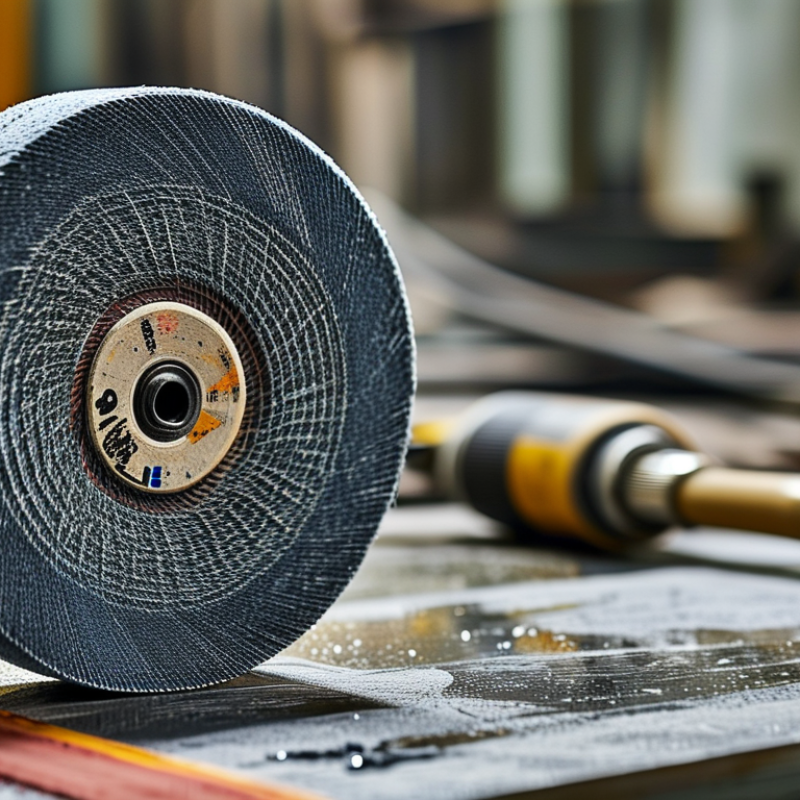
An abrasive flap disc is a wheel made from overlapping abrasive-cloth flaps. Each flap contains abrasive grains bonded to a flexible backing. The disc fits an angle grinder and spins at high speed. As the flaps contact metal, sharp grains cut away surface material. The backing supports the grains while allowing controlled flexibility.

The cutting action combines abrasion and slight flap movement. Worn grains break away, exposing newer cutting edges underneath. This helps the disc maintain performance during ordinary grinding work. Coarse grits remove welds, rust, and heavy scratches quickly. Fine grits create a smoother finish. The working angle also matters. A shallow angle usually suits blending, while a steeper angle increases material removal. Use moderate pressure. Excess force can overheat the workpiece and wear the flaps unevenly. I still sometimes press too hard on stubborn welds. That feels faster, but it usually shortens disc life.

For global buyers, selection should match the metal, finish, grinder, and workload. Check grit, diameter, bore size, flap material, and maximum RPM. The disc rating must meet or exceed the grinder’s speed. Inspect the disc before mounting. Cracked backing, loose flaps, or moisture damage require rejection. A disc may look usable while hiding weakened bonding. In workshop practice, clean contact and steady movement produce more consistent results than brute force. Safety glasses, face protection, gloves, and suitable work clothing remain essential during operation.

Key Abrasive Flap Disc Types and Their Material Differences

Choosing the best abrasive flap disc in 2026 starts with understanding its abrasive material. Each type cuts differently and leaves a different surface.

Aluminum oxide is a practical choice for mild steel and general fabrication. It offers stable performance and usually costs less. Zirconia alumina cuts more aggressively and stays sharp under heavier pressure. It suits stainless steel and demanding weld removal. Ceramic alumina is designed for high-performance grinding. Its self-sharpening grains can remove material quickly, but poor pressure control may cause premature wear. Silicon carbide produces a finer finish on aluminum, brass, and non-ferrous surfaces. It is less suitable for heavy steel stock removal. The backing material also matters. Fiberglass provides strength, while flexible cloth backing follows curved edges more smoothly.

Tips: Match the disc to the workpiece, not only the grinder. Check the grit, disc angle, and maximum speed before use. Use moderate pressure and let the abrasive do the cutting. Excessive force creates heat, glazing, and uneven wear. In practical shop trials, a coarser grit removed welds faster, but it often required another finishing pass. That lesson still matters. Some material charts appear clear, yet real results change with pressure, edge shape, and operator control. Inspect the flaps regularly, especially after working on sharp corners.

2026 Best Abrasive Flap Disc for Global Buyers

Key abrasive grain types differ in hardness, density, cutting behavior, and suitability for specific materials. The chart below compares commonly used abrasive grains in flap discs using approximate mineral-property values.

Buying insight: Aluminum oxide is a practical choice for general-purpose steel and lower-cost grinding. Zirconia alumina provides better self-sharpening and is suitable for stainless steel and heavy stock removal. Ceramic alumina offers high cutting efficiency on demanding steel applications, while silicon carbide is very hard and sharp but is more commonly selected for non-ferrous metals, stone, glass, and composite materials. Actual flap-disc performance also depends on grit size, backing material, disc geometry, operating speed, and workpiece condition.

How to Choose the Right Flap Disc for Each Grinding Task

2026 Best Abrasive Flap Disc for Global Buyers?
How to Choose the Right Flap Disc for Each Grinding Task

There is no single best flap disc for every job. The right choice depends on the workpiece, finish, and grinding pressure. For carbon steel, zirconia or ceramic abrasive grains usually remove welds quickly. Aluminum needs a disc designed to reduce loading. Stainless steel demands controlled heat, especially around thin edges. A wrong disc can leave deep scratches or blue heat marks.

Match the grit to the task. Coarse grits, such as 40 or 60, suit heavy stock removal and uneven welds. Medium grits around 80 balance speed and surface control. Fine grits help prepare surfaces for painting or polishing. I once selected a fine disc too early. The finish looked clean, but the work took twice as long. That mistake still influences how I assess grinding plans.

Backing material also matters. Fiberglass backing handles general workshop use, while stronger constructions support heavier pressure. Check the disc diameter, bore size, maximum speed, and angle-grinder compatibility before purchase. Use light, steady passes instead of forcing the disc into the metal. This improves control and may extend disc life. For international buying, request batch information, technical data, and consistent packaging. Trial a small quantity first. Performance can vary between materials, operators, and production batches. Safety glasses, gloves, hearing protection, and suitable ventilation remain essential during every grinding task.

Performance Factors Global Buyers Should Compare in 2026

Global buyers should compare abrasive flap discs by measured performance, not catalogue claims. MarketsandMarkets estimates the global abrasives market will grow from about USD 46 billion in 2024 to nearly USD 58 billion by 2029. That growth increases supplier choice, but it also increases quality differences. Compare grain type, grit consistency, flap density, backing rigidity, and bond strength. These factors control cutting speed, surface finish, heat, and disc life.

Test discs on the same steel grade, grinder power, working angle, and operator pressure. Record metal removal per disc, operating minutes, vibration, and visible discoloration. My workshop trials often show a fast first cut hiding a short service life. That result deserves caution. A 2024 technical review from the Federation of European Producers of Abrasives stresses correct speed limits, guarding, inspection, and personal protection. Do not compare performance without checking the disc’s marked maximum speed and applicable safety standard. ISO 525 also requires abrasive product information and classification details, helping buyers verify technical consistency. I still find published removal-rate figures difficult to reproduce across countries. Humidity, storage time, and operator technique can change results. Procurement teams should request batch data, test methods, and traceable quality records. Price per disc is incomplete. Calculate cost per finished metre, including replacement time and rejected surfaces.

Quality, Safety, and Supplier Checks Before International Purchase

Choosing the best abrasive flap disc in 2026 requires more than comparing grit numbers or carton prices. Quality begins with consistent abrasive cloth, firm flap bonding, and a backing plate that stays flat during use. Inspect the disc for torn flaps, uneven spacing, moisture, and visible warping. Small details matter.

Safety checks should include the maximum operating speed, disc diameter, intended material, and tool compatibility. The marked speed must exceed the grinder’s rated speed. Never rely on appearance alone. Test it cold. In workshop trials, an unbalanced disc can create vibration within seconds, especially on a high-speed grinder. Wear eye, face, hand, and hearing protection, and replace any disc showing cracks or excessive wear.

International buyers should examine the supplier’s technical data sheet, batch identification, inspection records, packaging method, and product traceability. Ask for recent samples from the same production line, not only polished catalog photos. Confirm that labels and safety instructions match the destination market’s requirements. Check how discs are sealed against humidity during sea transport. A supplier may answer quickly but still provide incomplete documents. My own checks have missed small labeling differences before. That mistake delayed approval. Request clear tolerances for flap density, backing strength, and dimensional accuracy. Compare sample results with the promised specification, then record them before placing a larger order. Reliability is built through repeatable evidence, not confident emails.

2026 Best Abrasive Flap Disc for Global Buyers? - Quality, Safety, and Supplier Checks Before International Purchase

Buyer Evaluation Dimension Recommended / Acceptable Specification Typical Application Quality Evidence to Request International Purchase Check
Abrasive grain Zirconia alumina for general steel and stainless-steel grinding; ceramic alumina for high-stock-removal work; aluminum oxide for economical finishing on mild steel. Weld blending, edge preparation, surface cleaning, deburring and general metal fabrication. Abrasive grain type, backing material, product specification sheet and batch traceability. Confirm the grain is stated consistently on the label, carton, technical datasheet and purchase order.
Grit selection P36–P60 for stock removal; P80–P120 for blending and surface preparation; P150–P240 for lighter finishing where available. Coarse grits remove material faster; fine grits produce a smoother, more uniform finish. FEPA grit designation, grit distribution information and sample test results. Specify FEPA P-grade or the applicable local grading system; do not rely only on terms such as “coarse” or “fine.”
Disc diameter Common sizes include 100 mm, 115 mm, 125 mm, 150 mm, 180 mm and 230 mm. Smaller discs suit handheld detail work; larger discs support broader surface coverage. Dimensional inspection record and product drawing showing diameter and thickness. Match the disc diameter with the grinder guard and the tool manufacturer’s permitted accessories.
Bore / mounting hole 22.23 mm (7/8 in) is widely used for angle-grinder flap discs; other bore sizes may be available for specialized equipment. Compatible mounting on standard angle grinders and selected stationary equipment. Measured bore diameter, tolerance information and mounting illustration. Verify metric and imperial dimensions, especially when importing across different tool markets.
Disc type Type 27 for relatively flat work; Type 29 for a more aggressive angle and contouring applications, subject to tool and product instructions. Type 27 supports controlled finishing; Type 29 can provide broader contact on curved or contoured surfaces. Product profile drawing and application instructions. Confirm the disc profile is suitable for the intended grinding angle and guard configuration.
Flap construction Uniformly spaced abrasive flaps, secure bonding, stable overlap and a rigid, dimensionally consistent backing plate. Stable grinding, controlled wear and reduced vibration during continuous use. Visual inspection standard, bond-strength test method, run-out measurement and batch inspection report. Request pre-shipment samples and define acceptance limits for loose flaps, uneven wear, cracks and excessive run-out.
Backing material Fiberglass backing for strength and impact resistance; plastic backing where lighter contact and controlled flexibility are required. Fiberglass is common for demanding grinding; plastic-backed versions may support lighter finishing work. Backing material declaration, thickness, temperature limitations and safety test records. Check whether the backing is compatible with the required operating speed and application temperature.
Maximum operating speed Must be stated on the disc or packaging in revolutions per minute and/or metres per second. It varies by diameter, construction and manufacturer. Safe operation on compatible grinders when the tool speed does not exceed the disc rating. Safety test report, marked maximum speed and documented production-control procedure. Never accept an unmarked disc. Compare the disc rating with the grinder’s no-load speed before use.
Stainless-steel contamination control Use a disc specifically designated for stainless steel and produced with controlled raw materials; avoid cross-contamination from iron-containing abrasives. Stainless-steel fabrication, maintenance and surface preparation. Material declaration, production-line segregation policy and contamination-control records. Ask whether steel and stainless-steel products are manufactured, stored and packed separately.
Applicable safety references Product documentation should identify applicable coated-abrasive and abrasive-product safety requirements, such as EN 13743, ISO 21948 or relevant regional requirements where applicable. Supports safe selection, testing, marking, handling and use. Current conformity documentation, test reports and user instructions. Confirm which standard applies to the destination market; a certificate should identify the exact product scope and test basis.
Packaging and storage Moisture-resistant inner packaging, rigid cartons, batch identification and protection from crushing, heat and humidity. Helps preserve abrasive performance during long-distance transport and warehouse storage. Packaging specification, carton-drop test results and storage instructions. Define carton quantity, pallet configuration, humidity protection, shelf-life guidance and damage-claim procedures.
Supplier quality controls Documented incoming-material inspection, in-process checks, final inspection and corrective-action procedures. Improves consistency across repeated international orders. Quality manual, inspection plan, sample test reports and traceable batch records. Use an independent pre-shipment inspection for initial orders or high-volume purchases.
Sample approval Approve samples using the same diameter, grit, grain, backing, packaging and labeling required for mass production. Confirms cutting rate, service life, finish quality, vibration and operator acceptance. Signed sample-approval record with measurable acceptance criteria. Do not approve a visually similar substitute without written confirmation of changed specifications.
Buyer note: Specifications shown are commonly used industry selection references, not a substitute for the manufacturer’s current technical datasheet or the destination market’s safety requirements. The marked maximum speed, disc type, tool compatibility and operating instructions must be verified before use.