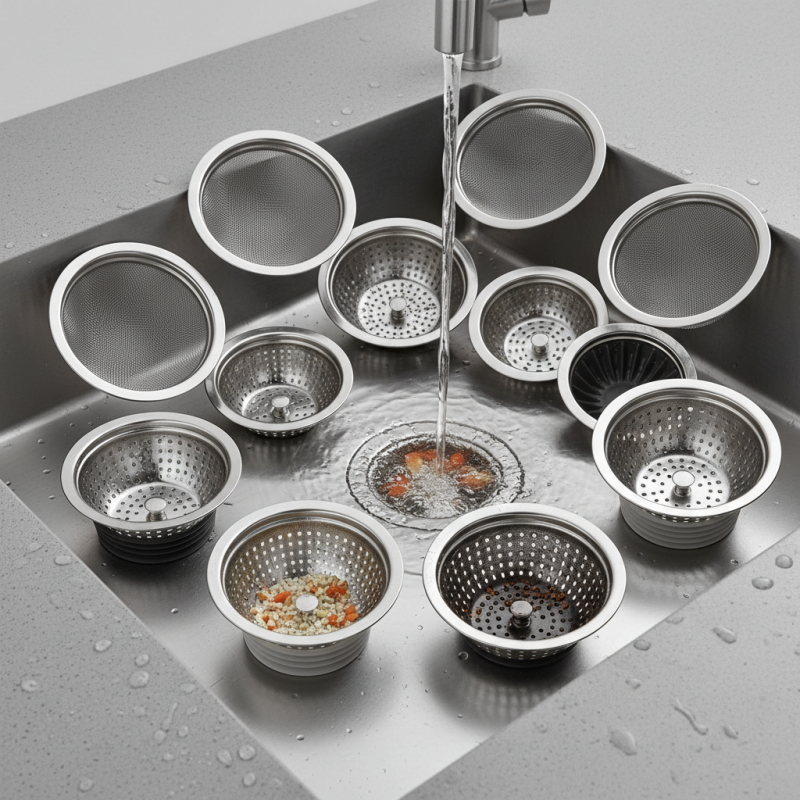
10 Best Basket Strainers for Efficient Kitchen Drainage Solutions?
In any kitchen, maintaining efficient drainage is crucial. That’s where basket strainers come into play. These simple yet effective devices collect food debris. They allow water to flow smoothly, keeping your plumbing clear and functional.
Choosing the right basket strainers is not always straightforward. Many options may not fit your sink perfectly or may prevent optimal drainage. Some models may struggle to hold back larger scraps, leading to potential clogs. Evaluating materials and designs is essential for long-term reliability.
These strainers can enhance your kitchen experience. With the right choice, they not only simplify cleanup but also protect your plumbing system. However, it’s vital to consider factors like size and build quality. Making a thoughtful selection will pay off in the long run.
Top Features to Look for in a Kitchen Basket Strainer
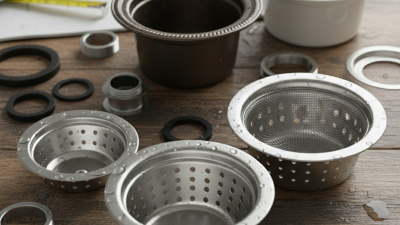
When choosing a kitchen basket strainer, consider its material. Stainless steel is popular due to its durability. A sturdy strainer can withstand daily use. Look for ones that resist rust and staining. Plastic strainers are lighter but may not last as long. They can crack under pressure or heat.
The design matters too. A well-designed strainer has an optimal flow rate. It should prevent food debris from clogging the drain. Some models feature removable baskets for easy cleaning. This makes maintenance straightforward. Beware: not all strainers trap all debris effectively. Choose one that meets your kitchen needs.
Finally, consider the size and compatibility. Strainers should fit your sink perfectly. Too small, and they will be ineffective. Too large, and they may create overflow risks. Measure your drain before purchasing. Simple details make a significant difference in kitchen efficiency. A quality basket strainer can enhance your kitchen experience. Think through these factors carefully.
Types of Basket Strainers: Which One Suits Your Kitchen Needs?
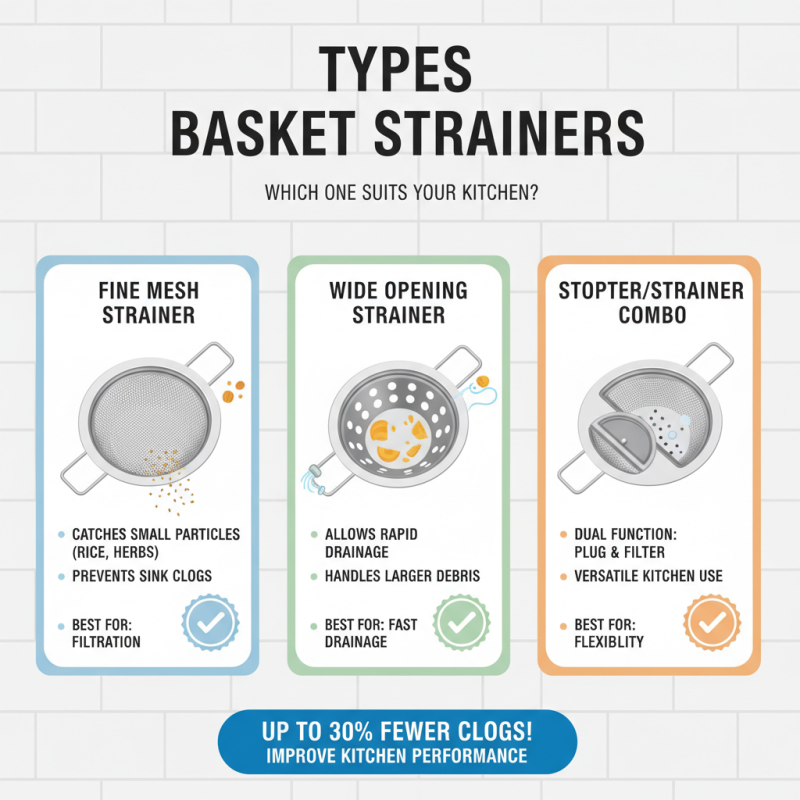
Choosing the right basket strainer can significantly improve kitchen drainage. Various types of basket strainers are available, each designed to meet specific needs. For instance, some feature fine mesh for catching small food particles, while others have wider openings for quicker drainage. According to a recent industry report, efficient strainers can reduce clogs by up to 30%, enhancing overall kitchen performance.
When selecting a basket strainer, consider the size and shape of your sink. Some models work best with deeper sinks, while others fit standard installations. Additionally, materials matter. Stainless steel offers durability and prevents rust, while plastic options are lightweight and easy to clean.
Tip: Regular cleaning of your strainer can extend its lifespan. A simple rinse after use can prevent buildup. If you notice slow drainage, check the strainer first. It may need a thorough scrub or replacement.
Not all strainers fit every kitchen. It’s essential to assess your cooking habits. If you frequently cook with lots of fibrous vegetables, you may benefit from a finer mesh strainer. Evaluate your needs carefully to find the ideal solution.
Installation and Maintenance Tips for Basket Strainers
When installing a basket strainer, ensure it's compatible with your sink. A well-fitted strainer prevents clogs and leaks. During installation, apply plumber's putty around the rim. This creates a tight seal. After placing the strainer, tighten the screws evenly. Over-tightening can lead to damage, so be careful.
For maintenance, regular cleaning is crucial. Food debris can build up quickly. Remove the basket and rinse it with hot water. A soft brush helps dislodge stubborn particles. Check for any signs of wear and replace parts when necessary.
Here are a few tips: frequently inspect seals for leaks and retighten screws as needed. Don’t ignore minor drips; they can worsen. Use a drain cover to minimize debris entering the strainer. This small step can save time on maintenance.
10 Best Basket Strainers for Efficient Kitchen Drainage Solutions
| Model |
Material |
Size |
Flow Rate |
Maintenance Tips |
| Stainless Steel Strainer |
Stainless Steel |
4.5 inches |
2.5 GPM |
Regularly clean with vinegar and baking soda. |
| Plastic Mesh Strainer |
Plastic |
6 inches |
3 GPM |
Rinse frequently to prevent clogs. |
| Copper Strainer |
Copper |
5 inches |
2 GPM |
Polish regularly to maintain finish. |
| Ceramic Coated Strainer |
Ceramic |
4 inches |
2.8 GPM |
Avoid abrasive cleaners to prolong life. |
| Rubber Strainer |
Rubber |
4 inches |
2.5 GPM |
Check for wear regularly and replace as needed. |
| Silicone Strainer |
Silicone |
5 inches |
3.2 GPM |
Wash in warm soapy water to clean. |
| Aluminum Strainer |
Aluminum |
4 inches |
3 GPM |
Dry completely after cleaning to prevent rust. |
| Stainless Steel Mesh Strainer |
Stainless Steel |
6 inches |
2.5 GPM |
Clean by soaking in soap water. |
| Biodegradable Strainer |
Biodegradable Material |
4 inches |
2 GPM |
Compost after use to minimize waste. |
| Full Flow Strainer |
Brass |
5 inches |
4 GPM |
Clean mesh with a brush to remove debris. |
Comparing Materials: Stainless Steel vs. Plastic Basket Strainers
When choosing between stainless steel and plastic basket strainers, several factors come into play.
Stainless steel is known for its durability and resistance to rust. A 2022 industry report indicates that 70% of chefs prefer stainless steel due to its longevity.
It can withstand high temperatures and heavy use, making it ideal for busy kitchens. However, it is often more expensive than plastic options.
On the other hand, plastic strainers are lightweight and more affordable.
They are resistant to staining and corrosion, which can be a significant benefit in environments prone to spills.
A survey found that 60% of home cooks choose plastic for its ease of cleaning. Yet, plastic can crack under intense pressure, leading to potential reliability issues.
Both materials have their advantages and disadvantages.
Stainless steel offers strength and longevity, but the cost can be a concern for some.
Plastic strainers, while budget-friendly, may not hold up in demanding situations.
Selecting the right material often depends on personal needs and kitchen conditions, emphasizing the importance of careful evaluation.
Top 10 Recommended Basket Strainers for Optimal Drainage Solutions
When it comes to kitchen drainage, a reliable basket strainer is essential. These tools capture food particles and prevent clogs. Choosing the right one can enhance your kitchen efficiency. Look for strainers that fit your sink perfectly. A snug fit will minimize the chances of debris slipping past.
Material plays a significant role in a strainer's performance. Stainless steel is durable and resists rust. Plastic options may be lightweight, but they can degrade over time. Observe how different designs funnel food waste. A well-designed strainer simplifies cleanup and maintenance.
Sometimes, strainers can fail to perform. Consider the hole size; larger holes might let debris through. Regularly checking for blockages is crucial. Even the best strainers require occasional cleaning. Don’t overlook the importance of these small tools in your kitchen setup. They influence the overall efficiency of your drainage system.