Blog

Best Pneumatic Control Valve Options for Global Buyers?

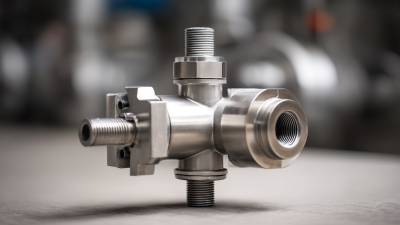
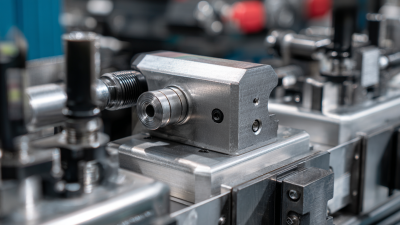
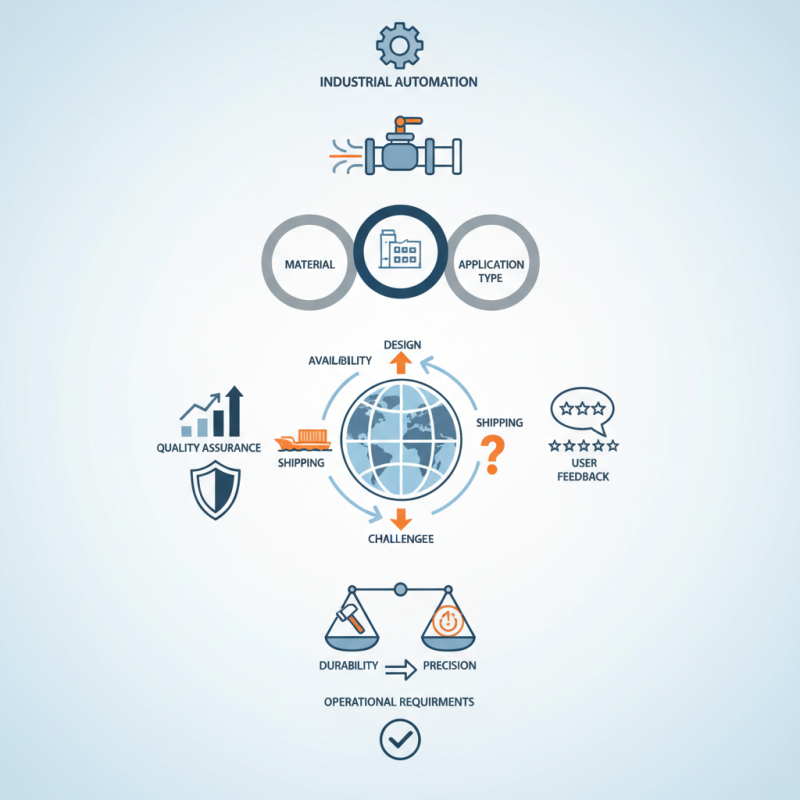
In the world of industrial automation, the pneumatic control valve stands out as a crucial component. These valves regulate the flow and pressure of air in pneumatic systems, ensuring efficient operation. Choosing the best pneumatic control valve involves understanding various options available to global buyers. Factors like material, design, and application type significantly impact performance.

Buyers should consider the reliability of manufacturers when selecting a pneumatic control valve. Quality assurance and adherence to industry standards are paramount. Feedback from users often reveals strengths and weaknesses across different brands and models. Some options may excel in durability but fall short in precision. It is vital to balance these aspects based on specific needs.

Additionally, the global market presents unique challenges. Availability and shipping can vary widely between regions. This can complicate the decision-making process, as some great options may not be easily accessible. Buyers must remain informed and adaptable. Ensuring that the selected pneumatic control valve meets operational requirements is essential for any successful application.
Best Pneumatic Control Valve Options for Global Buyers?

Overview of Pneumatic Control Valves and Their Applications
Best Pneumatic Control Valve Options for Global Buyers?

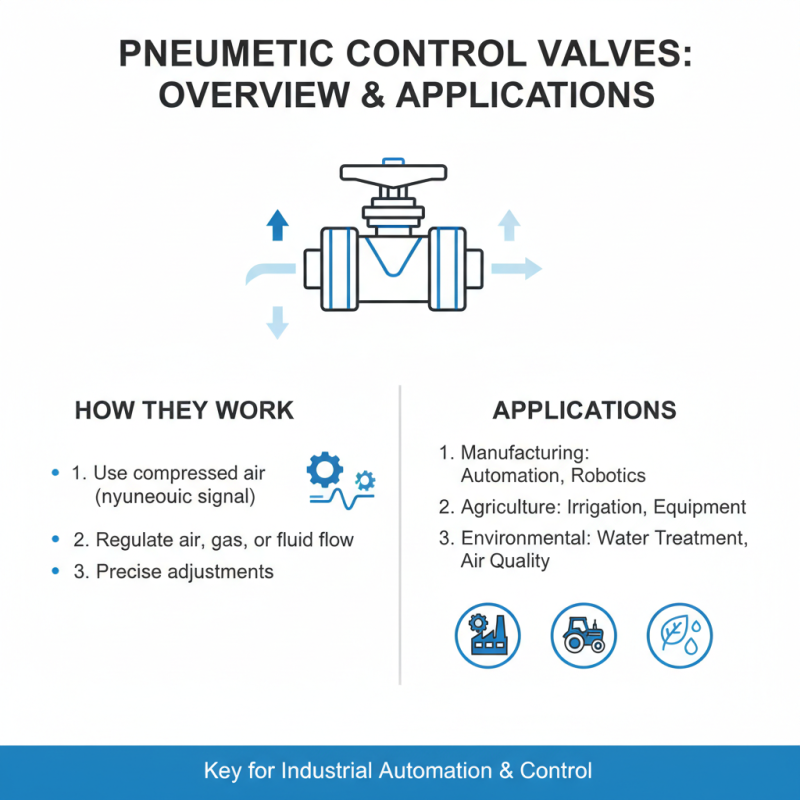
Pneumatic control valves play a crucial role in various industrial applications. They are essential for regulating the flow of air, gas, or other fluids. By using pneumatic signals, these valves adjust the fluid flow precisely. This versatility makes them popular in manufacturing, agriculture, and environmental systems.

These valves come in different types, including globe, ball, and butterfly valves. Each type serves unique functions. For instance, globe valves are ideal for throttling, while ball valves provide excellent sealing capabilities. Understanding the specific needs of an application helps in choosing the right valve. However, not all options function well in every setting. Factors like pressure changes and medium types can affect performance.

And yet, users often overlook maintenance. Regular servicing can prevent malfunctions. Neglecting this aspect usually leads to inefficiencies. In some cases, users might face inadequate response times. This can create operational challenges. Ensuring reliability involves careful monitoring and timely adjustments. A more informed approach can enhance both performance and longevity.

Types of Pneumatic Control Valves Available for Global Markets

Pneumatic control valves play a crucial role in various industrial applications. They regulate the flow of air, water, and other gases. Understanding the types available is essential for global buyers seeking efficiency and reliability.

Typically, there are three main types of pneumatic control valves: solenoid valves, diaphragm valves, and proportional valves. Solenoid valves are widely used for their quick response times. They are ideal for applications requiring high-speed operations. Diaphragm valves offer a tight seal and are perfect for controlling corrosive fluids. A recent industry report indicated that the diaphragm valve market is projected to grow by 5% annually through 2028.

Proportional valves provide variable flow control, making them suitable for complex systems. They allow for smoother operation and can be more energy-efficient. However, their complexity can lead to challenges during installation. Buyers must weigh the benefits of precision against possible technical issues. As global industries demand more sustainable solutions, these valves are becoming increasingly important. The right choice can significantly enhance system performance and lower operational costs.

Best Pneumatic Control Valve Options for Global Buyers

Key Factors to Consider When Choosing Pneumatic Control Valves

When selecting pneumatic control valves, several key factors come into play. First, the operating pressure range is critical. Typically, pneumatic systems operate between 20 to 100 psi. Ensuring the valve can handle the required pressure without degradation is vital.

Another important consideration is the valve’s material. Corrosion resistance is essential, especially in harsh environments. For instance, stainless steel or brass may be suitable for most applications, but plastic valves can be cost-effective in less demanding situations.

Tips: Always review technical specifications to ensure compatibility with your system. Consider the temperature requirements, too. Valves rated for temperatures beyond 200°F can prevent failures in high-heat applications.

The flow rate is also a significant factor. A study from the Fluid Control industry indicates that choosing the right size can improve efficiency by 15%. Underestimating flow needs can lead to pressure drops, impacting system performance. This highlights the importance of accurate calculations during the selection process.

Tips: Don't overlook the installation space available. Compact designs can facilitate easier integration into existing systems. Always remember that proper alignment and maintenance access can enhance valve longevity and performance.

Top Manufacturers of Pneumatic Control Valves Worldwide

When considering pneumatic control valves, it's essential to understand the landscape of top manufacturers worldwide. These manufacturers provide various options, ensuring compatibility with diverse systems. Some focus on specific applications, while others offer a broad range. Their expertise shapes the market, influencing performance and reliability.

Key players often have years of experience. They commit to innovation and quality. These companies emphasize the importance of testing their products rigorously. This testing helps in identifying potential failures before they reach the market. However, not all manufacturers share the same commitment. Some may prioritize cost over quality, which can lead to issues later.

Buyers should choose wisely. Look for manufacturers that showcase their engineering capabilities. Review their certifications and customer feedback. Pay attention to industry reputation, as it reflects their performance. While options are abundant, thorough research ensures reliability. Understanding the nuances of each manufacturer can be challenging but vital. Inconsistent quality can lead to costly mistakes, making informed decisions crucial.

Best Pneumatic Control Valve Options for Global Buyers

Manufacturer Location Valve Type Operating Pressure Range (bar) Size Range (mm) Material Options
North America Globe Valve 1 - 10 20 - 100 Stainless Steel, Brass
Europe Ball Valve 0.5 - 7 15 - 150 Plastic, Aluminium
Asia Butterfly Valve 2 - 10 50 - 200 Carbon Steel, PVC
South America Check Valve 1 - 5 25 - 80 Bronze, Alloy
Australia Solenoid Valve 0 - 8 10 - 50 Nylon, Steel

Future Trends in Pneumatic Control Valve Technology and Market Demand

Best Pneumatic Control Valve Options for Global Buyers?

The pneumatic control valve market is evolving rapidly. Advancements in technology are reshaping how these valves operate. Smart valves that incorporate IoT technology are gaining attention. They provide real-time data and enhance efficiency in various applications. This trend aligns with the growing demand for automation in industries like manufacturing and oil and gas.

Another key aspect is the emphasis on sustainability. Manufacturers are focusing on energy-efficient designs. Reducing emissions and minimizing waste is becoming a priority. Many companies are exploring alternative materials for valve construction. This reflects a shift towards more eco-friendly solutions. However, the transition is not without challenges. Not all manufacturers have the resources to adapt quickly.

Market demand will likely see fluctuations in response to economic shifts. The rise in renewable energy projects could boost pneumatic valve usage. Yet, uncertainties in global trade may hinder steady growth. Companies must stay adaptable. Open communication between suppliers and buyers remains critical for informed decision-making. This evolving landscape encourages reflection on the existing practices and future innovations in pneumatic control technologies.