How to Choose the Best DC High Pressure Pump for Your Needs?
Choosing the right Dc High Pressure Pump is crucial for various applications. This decision can impact your efficiency and overall performance. Understanding your specific needs is essential.
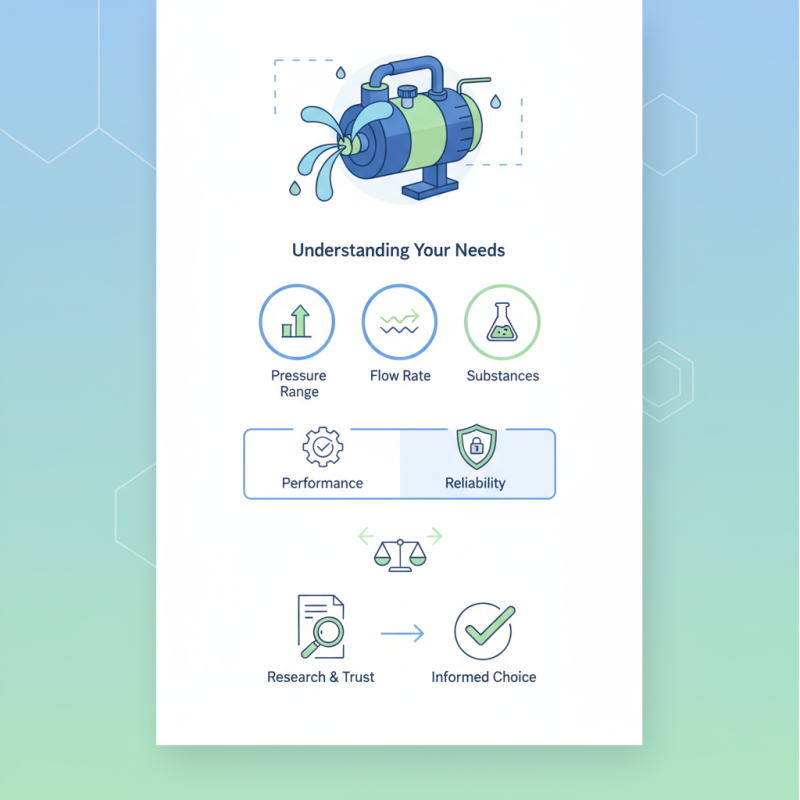
High pressure pumps come in various types and specifications. Each model offers different features suitable for distinct tasks. Whether for irrigation, industrial cleaning, or other purposes, clarity in requirements matters. Identify the pressure range you need, flow rates, and the substances to be pumped.
Not all DC high pressure pumps are created equal. Some may achieve higher pressures but lack durability. Others may meet flow rate expectations but prove inefficient over time. It is vital to balance performance with reliability. Be prepared to question product claims and seek trustworthy sources of information. This will lead to informed choices tailored to your unique circumstances.
Understanding the Basics of DC High Pressure Pumps
When selecting a DC high pressure pump, it’s essential to grasp its fundamental components. These pumps operate using direct current to generate high-pressure output. They are commonly used in various applications, from automotive to agricultural sectors. Understanding the mechanics behind these pumps can help you identify your specific needs. You need to consider flow rate, pressure rating, and design.
Here are some tips to keep in mind. First, assess the flow rate required for your application. Measure the volume needed and calculate the pressure. This ensures you do not end up with a pump that is either underpowered or over the top. Also, consider the environment in which the pump will work. High temperatures or moisture can affect performance.
Another important aspect is material choice. Pumps made of durable materials significantly enhance longevity. Weak materials may lead to frequent replacements, resulting in higher costs. Pay attention to user reviews and experiences. They often highlight issues not discussed in product descriptions. Be aware, pumps with higher specifications may consume more power, impacting overall energy costs.
Key Factors to Consider When Choosing a Pump
When choosing a DC high pressure pump, various key factors significantly influence the decision-making process. Efficiency is critical. According to industry data, pump efficiency can range between 50% to 90%. It is vital to select a pump that maximizes this efficiency for your specific application. Higher efficiency means lower energy costs over time.
Another essential consideration is the flow rate. Understanding the required flow rate is crucial for achieving desired performance levels. Flow rates typically vary between 0.5 to 180 liters per minute for DC pumps. Selecting a pump that matches or slightly exceeds your necessary flow rate can prevent operational issues and maintain system performance. However, pumps rated too high may lead to unnecessary energy consumption.
Additionally, pump material plays a significant role. Depending on your application, materials like stainless steel or reinforced polymers may be ideal. Each material has unique characteristics, affecting durability and resistance against wear. Moreover, reliability should not be overlooked. Reports indicate that many users experience reduced pump life due to inadequate maintenance or poor selection based on application needs. Without careful analysis, users risk long-term operational failures.
Evaluating Pump Specifications and Performance Ratings
When selecting a DC high-pressure pump, understanding specifications and performance ratings is crucial. Key metrics such as maximum pressure, flow rate, and efficiency offer insights into the pump's capability. For example, industry reports show that pumps with a flow rate above 10 liters per minute tend to operate more effectively in demanding applications. However, higher flow rates may compromise pressure stability. This is a critical trade-off to consider.
Pressure ratings are another vital factor. A pump rated for 100 psi may be suitable for standard needs, but for specialized applications, higher ratings are necessary. Performance curves can provide additional clarity, illustrating how pumps perform under varying conditions. Many users overlook this aspect, relying on theoretical data rather than real-world performance. It's essential to align these metrics with operational requirements to avoid costly mismatches.
Furthermore, the build quality impacts reliability. Pumps made from corrosion-resistant materials can enhance longevity, especially in harsh environments. However, cost often drives choices, leading to compromises that may affect pump lifespan. Evaluating these factors helps ensure that the chosen pump meets both current and future needs. This detailed assessment can prevent future regrets and expensive replacements down the line.
Comparative Analysis of DC High Pressure Pumps
Assessing Application Requirements for Optimal Selection
When selecting a DC high pressure pump, application requirements play a critical role. Understanding the specific needs of your project is vital. Consider the nature of the fluid being pumped. Different fluids have varying viscosities and chemical properties. For example, pumping water will differ significantly from pumping oil or corrosive substances.
Next, assess flow rates required for your application. Determine how quickly you need the fluid to move. High flow rates may necessitate a more robust pump with better efficiency. Additionally, look into pressure ratings. The right pump must handle the pressure without risking failure. It’s important to think about the installation space as well. Some pumps are bulkier than others and require adequate space.
Lastly, reflect on the maintenance needs of the pump. Some high pressure pumps require more regular upkeep than others. This can lead to increased downtime and higher costs. Weigh these factors carefully. Striking a balance between performance and practicality will lead to better selection. Failing to do so might result in poor performance or unnecessary complications down the line. Always remember to consult with experts if you feel uncertain. Their insights can greatly aid in making informed choices.
Comparing Leading Brands and Models on the Market
When selecting a DC high-pressure pump, it's crucial to evaluate various brands and models available on the market. Each brand has distinct features that cater to specific applications. The design elements can significantly impact performance. Look for factors like flow rate, pressure, and overall durability.
It's also valuable to consider user reviews and industry opinions. Feedback from seasoned users often highlights strengths and weaknesses not evident in marketing materials. Some models may excel in efficiency but fall short in longevity. Others may boast robust construction but lack versatility.
Don’t forget to check warranties and customer service. A solid warranty indicates confidence in the product's reliability. Customer support can be a lifeline when issues arise. Researching these aspects can lead to more informed decisions. Investing time into this process pays off.