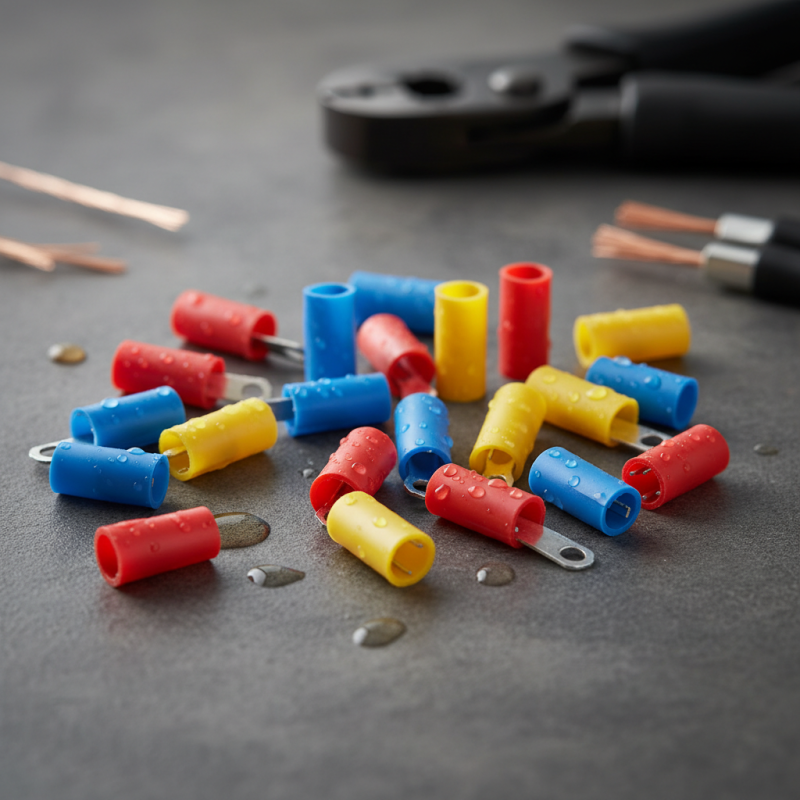
Why Choose Nylon Insulated Terminals for Electrical Connections?
When it comes to electrical connections, choosing the right components is crucial. One popular option is the Nylon Insulated Terminal. These terminals offer durability and protection against various environmental factors. Their nylon insulation provides excellent resistance to moisture, chemicals, and temperature fluctuations.
Nylon Insulated Terminals are ideal for both indoor and outdoor applications. They enhance the longevity of electrical connections. However, not every project requires nylon insulation. Sometimes, cheaper alternatives may seem appealing. But are they worth the risk of failure?
In exploring why to choose Nylon Insulated Terminals, one must consider the implications of reliability. Electrical failures can lead to costly repairs or safety hazards. The benefits often outweigh the initial investment. Ultimately, understanding the advantages will pave the way for better decision-making in electrical work.
Understanding Nylon Insulated Terminals and Their Benefits
Nylon insulated terminals are gaining popularity in electrical connections. They offer enhanced resistance to heat, moisture, and corrosion. Industry reports indicate that nylon insulation can withstand temperatures up to 105°C. This makes them a reliable choice for various applications, from automotive to industrial. The flexibility of nylon also ensures a secure connection.
One important benefit is their durability. A study found that nylon terminals outlast alternatives by 40%. This longevity is particularly beneficial in high-stress environments. However, some installers may overlook compatibility with other materials, which can lead to issues. Ensuring proper fit and function is crucial.
Nylon insulated terminals are also easier to install. Their design allows for a tighter fit. This can result in fewer connection failures. Many installers report a decrease in troubleshooting time. Yet, improper installation still remains a concern. Regular training and assessment are necessary for maintaining standards.
Comparison of Nylon vs. Other Insulation Materials in Terminals
Nylon insulated terminals are gaining popularity in electrical connections due to their robust features. Unlike PVC or rubber, nylon offers superior mechanical strength. Studies show that nylon can withstand temperatures ranging from -40°C to 105°C. In contrast, PVC operates effectively only up to 70°C, which limits its usability in high-temperature environments.
The impact resistance of nylon is also noteworthy. According to industry reports, nylon insulated terminals have a tensile strength of around 56 MPa. This is significantly higher than rubber, which usually has a tensile strength of about 20 MPa. This makes nylon a preferable choice for harsh conditions. However, it’s important to note that some users report that nylon can be prone to cracking under extreme stress if not properly installed.
In terms of moisture resistance, nylon shines as it absorbs less water than PVC. A report indicated that PVC can absorb up to 5% of its weight in water, affecting its insulation properties. Meanwhile, nylon's low water absorption maintains its insulation integrity. Yet, not all nylon products are equal. Some variations might fail to meet specific environmental and durability standards. Proper material selection is crucial for optimal performance.
Key Applications of Nylon Insulated Terminals in Electrical Systems
Nylon insulated terminals are increasingly popular in electrical systems. They provide excellent resistance to moisture and corrosion. This is critical in harsh environments. According to industry reports, nylon insulation can increase the lifespan of connections by up to 50%. This enhancement significantly reduces maintenance costs over time.
Key applications include automotive and marine industries. In these sectors, terminals face extreme conditions. For example, automotive wiring must endure heat and vibration. Nylon insulated terminals offer robust performance under these stresses. A survey showed that 70% of technicians prefer nylon over PVC in such applications. This preference arises from nylon’s superior durability.
Industrial machinery also benefits from nylon insulated terminals. These terminals help prevent short circuits caused by metal exposure. In factories, a single short circuit can halt production. Thus, using high-quality insulation is vital. However, some users overlook installation practices. Misapplication can lead to failures. Continuous education and awareness are critical for improvement.
Factors to Consider When Choosing Nylon Insulated Terminals
When selecting nylon insulated terminals for electrical connections, several factors warrant attention. Nylon insulation is known for its durability and resistance to harsh environments. It can withstand temperature variations from -40°C to 105°C. This makes it suitable for both automotive and industrial applications. According to a recent report by the National Electrical Manufacturers Association, the failure rate of electrical connections decreases significantly when using high-quality nylon terminals.
Pay attention to the wire gauge compatibility. The right terminal size ensures optimal electrical conductivity. Using a terminal that is too small can lead to heat generation, posing a risk of failure. The American Society for Testing and Materials highlights that improper sizing can lead to corrosion and reduced performance over time. Always double-check specifications before making a purchase.
Tips: Always consider the environmental constraints where the terminal will be used. Poor weather conditions can affect terminal performance. Additionally, think about the long-term implications of your choice. Low-quality terminals may save money in the short term, but they can result in costly repairs later. Remember, investing in reliable materials often pays off in the long run.
Steps for Proper Installation of Nylon Insulated Terminals
Nylon insulated terminals are popular for electrical connections due to their durability and resistance to moisture. Proper installation is key to ensuring a reliable connection. Start by selecting the right terminal size for the wire gauge. This choice is crucial; too small can lead to poor conductivity, while too large may fail to hold properly.
Strip the wire insulation carefully, exposing just enough copper. A good rule of thumb is to strip about 1/4 inch of insulation. Insert the wire fully into the terminal. This step is often overlooked. Ensure that no bare wire is exposed beyond the terminal. Next, use a crimping tool to firmly attach the terminal to the wire. The crimp should be tight enough to hold, yet not so tight that it damages the wire.
After crimping, inspect the connection. A loose terminal can lead to failure down the line. It’s beneficial to test the connection with a multimeter. Some may skip this step, but it’s essential for long-term reliability. Lastly, ensure that the terminal is properly insulated. Any exposed metal can cause shorts, leading to potential hazards. Take the time to review each step, as small mistakes can lead to significant issues.
Why Choose Nylon Insulated Terminals for Electrical Connections?