How to Choose a Pneumatic Rotary Actuator for Your Needs?
Choosing the right pneumatic rotary actuator can significantly impact performance in various applications. As noted by industry expert John V. Smith, “Finding the perfect actuator design is crucial for operational efficiency.” This statement underscores the importance of selecting the right actuator for your specific needs.
Pneumatic rotary actuators play a vital role in automation systems. They are designed to provide precise motion control in a compact package. However, the range of products on the market can be overwhelming. Detailed specifications, including torque requirements and operating conditions, must be carefully considered.
The process of choosing a pneumatic rotary actuator can be complex. It requires an understanding of both your operational needs and the actuator's characteristics. Not all products will meet your requirements. It is essential to reflect on what features matter most for your application. Take the time to evaluate different options. This investment in research can prevent future inefficiencies.
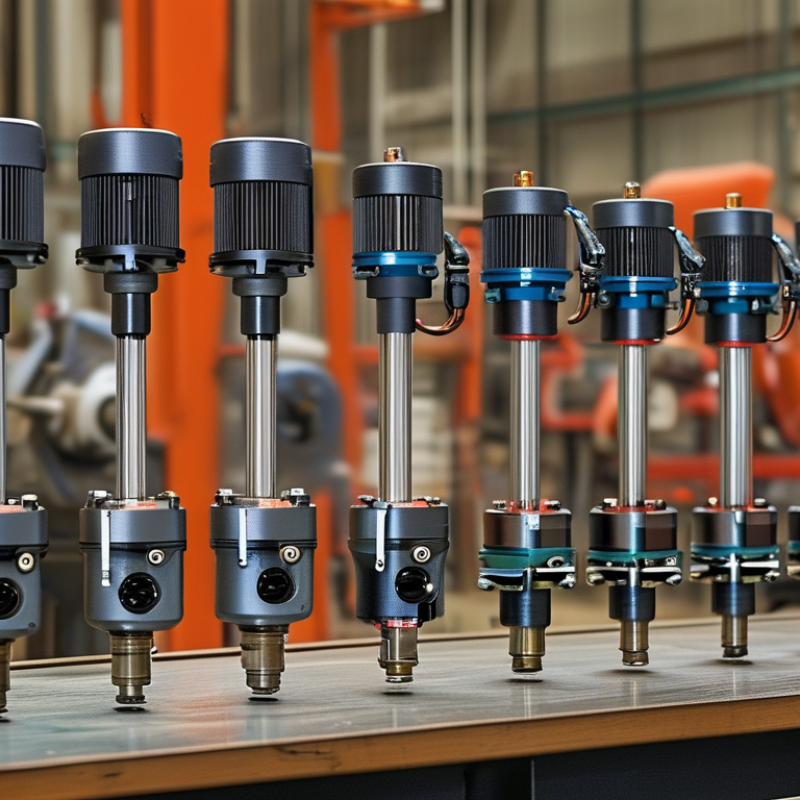
Understanding the Basics of Pneumatic Rotary Actuators
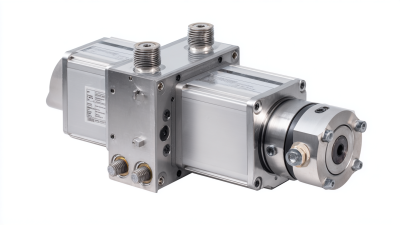
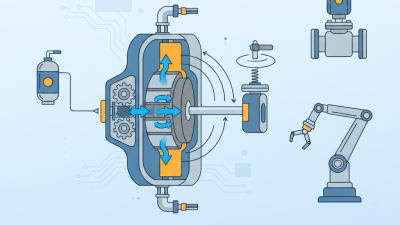
Pneumatic rotary actuators play a vital role in many industrial applications. These devices convert compressed air energy into rotational motion. Understanding their basics is crucial for effective selection. Industry reports indicate that pneumatic actuators represent over 30% of the actuator market. This showcases their significance in automation, where precision and reliability are paramount.
A key factor in choosing a suitable actuator is torque output. Torque requirements vary widely across applications. For example, smaller valves might need less than 10 Nm, while larger systems could demand over 500 Nm. Properly estimating torque ensures optimal performance. Efficiency also depends on air pressure; a minimum of 6 bar is often necessary for standard operations. However, excessive pressure can lead to increased wear and tear.
Maintenance is another critical aspect. Regular checks on seals and lubrication enhance the actuator's lifespan. Some users overlook these details, which can lead to premature failure. Despite advancements in technology, failures due to improper installation or neglect remain common. Evaluating these factors upfront minimizes risks and optimizes operational efficiency.
Key Factors to Consider When Selecting a Rotary Actuator
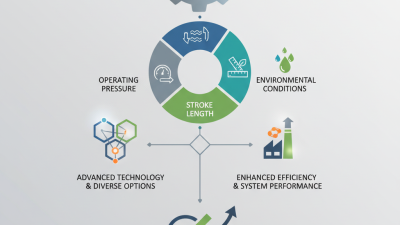
When selecting a pneumatic rotary actuator, several key factors must be considered to ensure optimal performance. The application requirements, such as torque, speed, and size, play a crucial role. According to recent market reports, the global pneumatic actuator market is projected to grow significantly, driven by increasing automation in various industries. This highlights the importance of making an informed choice.
One important aspect is the operating pressure. Different actuators operate effectively within specific pressure ranges. A mismatch can lead to inefficiency or failure. Ensure that the actuator can handle the expected pressures in your application. Additionally, consider the environment where the actuator will be deployed. Factors like temperature, humidity, and exposure to chemicals can greatly affect the actuator's lifespan and reliability.
It's wise to assess the installation space available. Compact designs may be necessary in confined areas while larger actuators can be accommodated in more spacious setups. Prioritize maintenance needs, as accessibility can impact downtime. Remember that sometimes, an actuator may not fit perfectly into the selected application, resulting in unforeseen challenges. Always evaluate multiple options before finalizing your choice.
Details matter in actuator selection. Proper alignment with existing systems is essential. Be aware that not every actuator is suitable for all applications. Market research shows that around 30% of actuator failures stem from improper selection. This underlines the need for a thorough assessment of requirements before purchase decisions.
Evaluating Application Requirements for Proper Actuator Sizing
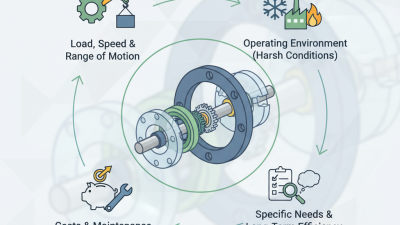
When selecting a pneumatic rotary actuator, understanding application requirements is crucial. Actuator sizing directly impacts efficiency and functionality. Start by assessing torque needs based on the load requirements. This will help in choosing an actuator that can handle expected forces without overexertion.
Consider the environment as well. Factors like temperature, humidity, and dust impact performance. Some applications demand protection against specific elements. Not every actuator is built to withstand harsh conditions. Reflecting on these aspects can prevent unexpected failures down the line.
Another key aspect is the cycle frequency. How often will the actuator operate? Too many cycles can lead to premature wear if the actuator isn't rated for high-frequency use. Evaluating these requirements will lead to a more reliable selection. Often, taking time to analyze these details can save costs and enhance overall system reliability.
Comparing Different Types of Pneumatic Rotary Actuators Available
When selecting a pneumatic rotary actuator, understanding the options available is crucial. There are several types of actuators, each with unique characteristics. Rack and pinion actuators provide precise control and are common in various applications. They are easy to install and maintain but might not offer high torque output.
On the other hand, vane-type actuators feature a rotating vane within a cylinder. They are well-suited for tasks requiring high torque. However, their complexity can lead to more challenging maintenance needs. Additionally, double-acting actuators are known for providing consistent performance in both directions. They may be ideal for applications needing reliable and repetitive motion.
Choosing the right actuator requires considering specific needs. Factors like force, speed, and application type will influence the decision. Reflecting on these elements can help avoid common pitfalls. It’s important to ensure the actuator fits your requirements, as the wrong choice can lead to inefficiencies and increased costs. Always consider consulting with an expert to guide you in making the best decision.
How to Choose a Pneumatic Rotary Actuator for Your Needs? - Comparing Different Types of Pneumatic Rotary Actuators Available
| Actuator Type |
Torque Output (Nm) |
Rotation Angle (Degrees) |
Max Pressure (bar) |
Weight (kg) |
Application |
| Double Acting Cylinder |
5-100 |
0-270 |
6-8 |
1.5 |
General Automation |
| Rack and Pinion |
20-300 |
90-180 |
6-10 |
2.5 |
Valves Control |
| Vane Actuator |
15-250 |
0-360 |
8-12 |
3.0 |
Robotics |
| Scotch Yoke |
50-400 |
0-180 |
5-8 |
4.0 |
Heavy-duty applications |
| Electric Actuator (Pneumatic) |
10-150 |
0-270 |
4-7 |
2.0 |
Precision Control |
Assessing Maintenance and Longevity in Actuator Choices
When choosing a pneumatic rotary actuator, assessing maintenance needs is crucial. Regular maintenance can greatly enhance the longevity of the actuator. It’s essential to understand the actuator's environment. Dust and moisture can result in wear and tear. Choose actuators with sealed or protective housings to reduce these risks.
Longevity largely depends on component quality. High-quality materials resist corrosion and fatigue better. It’s also important to consider the actuator's service frequency. Less frequent use may lead to potential stagnation. Active parts can suffer from lubrication issues. Inspecting these components ensures they operate efficiently over time.
User experience plays a significant role in decision-making. Real-world feedback reveals that factors like installation, accessibility, and ease of adjustment are often overlooked. All too often, planners focus solely on initial costs without considering long-term management. This oversight can lead to unexpected downtime and costly repairs.
Comparative Analysis of Pneumatic Rotary Actuator Maintenance Frequency