How to Choose the Right Commercial Drying Equipment?
Choosing the right Commercial Drying Equipment can be a daunting task. With many options available, it is essential to understand your specific needs. John Miller, an industry expert with over 20 years of experience, emphasizes, "Selecting the right equipment can significantly impact your productivity." His insight highlights the importance of making informed decisions.
When considering Commercial Drying Equipment, factors such as drying capacity, energy efficiency, and maintenance requirements must be addressed. Each business has unique challenges, from small-scale operations to large industrial applications. Equipment that works for one may not suit another's needs. Take time to assess your operational demands.
Often, businesses overlook the total costs associated with equipment. These include not just purchase prices but also energy consumption and repairs. It’s a crucial part of the decision-making process. Reflecting on this can lead to more sustainable choices in the long run. Balancing efficiency and cost isn't easy, but the right Commercial Drying Equipment can make all the difference.
Understanding Different Types of Commercial Drying Equipment
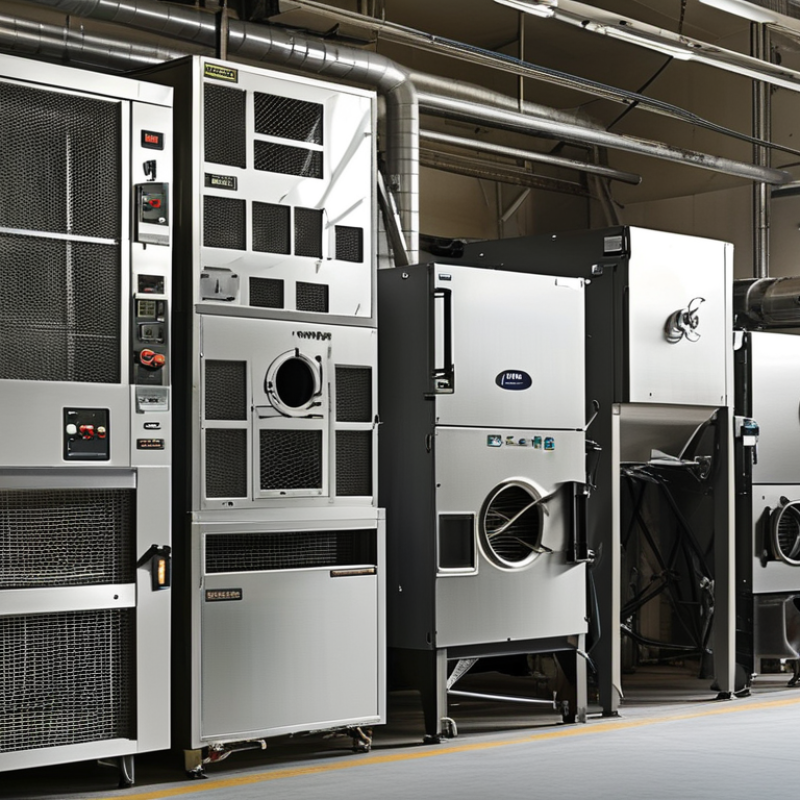
Choosing the right commercial drying equipment involves understanding the various types available. There are three main categories: convection dryers, conduction dryers, and radiation dryers. Convection dryers use hot air to transfer heat, while conduction dryers rely on direct contact with a heated surface. Radiation dryers utilize infrared heat. Each type has its advantages and uses, depending on the materials being dried.
Selecting the appropriate drying method can be challenging. For instance, convection dryers are ideal for large volumes but may take longer with thicker products. Radiation dryers work quickly for thin items but might not be effective for thicker materials. It's essential to assess your specific needs. Consider the moisture content and the material’s sensitivity to heat.
In your decision-making process, evaluate your budget and facility size. Too much investment may not yield proportional benefits. Always think about future scalability as well. If your production capacity increases, can your equipment handle that without major adjustments? This reflection can save time and resources later on. Understanding these aspects can significantly enhance your operational efficiency.
Assessing Drying Capacity and Performance Requirements
When selecting commercial drying equipment, understanding drying capacity and performance requirements is crucial. The drying capacity determines how much material you can process in a given time. It varies based on your specific operation and product type. Larger operations may need higher capacity equipment, while smaller businesses might benefit from more compact solutions.
Tips: Consider your peak drying needs. Determine how much material you need to dry during busy periods. The performance requirements should also align with your product characteristics. Different materials may require distinct drying methods, such as direct or indirect drying. Evaluate the moisture content and the desired end result carefully.
Efficiency is key. Look for features like adjustable settings or energy-efficient designs. However, some advanced features may complicate operation more than necessary. Balance complexity with usability. Make a list of essential functions you require. This will help in narrowing down your options effectively.
Assessing Drying Capacity of Commercial Drying Equipment
Evaluating Energy Efficiency and Operating Costs
When choosing commercial drying equipment, energy efficiency should be a primary concern. Often, more energy-efficient machines have higher upfront costs but can lead to significant savings over time. Consider the wattage and drying time required for your materials. This can vary greatly among different types of equipment. In many cases, investing in an energy-efficient model pays off in reduced utility bills.
Operating costs extend beyond just energy consumption. Regular maintenance can impact the longevity and performance of the equipment. Neglecting this could lead to higher repair costs down the line. It's important to read reviews and consult with industry professionals to understand which models hold up under pressure. This experience can help you avoid equipment that requires frequent repairs or inefficient operation.
While it’s tempting to go for the lowest price, initial costs don’t always reveal true value. Look into the total cost of ownership. What may seem like a bargain might cost more in the long run. Select equipment that balances upfront cost with energy efficiency and reliability. Focus on what will serve your business best over time.
Considering Space and Installation Constraints
When selecting commercial drying equipment, space and installation constraints are crucial factors. Many businesses overlook these parameters, which could lead to challenges down the line. According to a 2021 industry report, 58% of facilities realized they needed equipment modifications after initial installation due to inadequate space planning.
Analyzing the workspace layout is essential. Measure areas where the drying machinery will be placed. Keep in mind the access points for maintenance and the airflow requirements for optimal operation. Inadequate space can impede airflow, leading to inefficiencies. The National Institute of Standards and Technology indicates that proper airflow can enhance drying efficiency by up to 30%.
Consider ceiling height and local regulations as well. Some equipment may require specific installation heights for optimal performance. A slight miscalculation can result in wasted resources or compliance issues. Striking a balance between equipment size and operational effectiveness is necessary. Engage with industry professionals for tailored advice to suit your unique constraints. This multi-faceted approach can uncover potential pitfalls in the early stages of planning.
Exploring Maintenance and Support Options for Longevity
When investing in commercial drying equipment, maintenance is essential for lasting performance. Regular inspections can prevent minor issues from escalating. Checking seals and gaskets routinely ensures optimal drying conditions. Neglecting these small details might lead to inefficient energy use or increased drying times.
Support options are equally important. Many manufacturers offer training for staff. This helps them understand how to operate and maintain the equipment effectively. However, sometimes training may not cover everything. Users must seek additional resources, like manuals and online videos, for deeper knowledge.
Consider the availability of spare parts as well. Some companies offer extended support, including replacement parts and repair services. It’s crucial to ensure that these parts are accessible. Long wait times can disrupt operations. Regular communication with the supplier can help address potential issues. Be proactive; delayed maintenance can lead to costly downtimes and repairs.