How to Choose the Right Flow Control Valve for Your System?
Choosing the right flow control valve is essential for ensuring system efficiency. According to John Smith, a leading expert in fluid dynamics, "The right valve can make or break a system's performance." This statement highlights the importance of careful selection in valve applications.
Flow control valves regulate the flow rate within a system, impacting various operations. Factors such as pressure, temperature, and media type are crucial in making the right choice. For instance, a poorly chosen valve can hinder performance or even lead to system failures.
Moreover, the industry must address challenges in valve selection. Inconsistent quality among manufacturers complicates decisions. Buyers should consider certifications like ISO and CE to avoid pitfalls. Reflecting on past choices can lead to better-informed decisions in the future, ensuring smooth operations in various applications.
Factors to Consider When Selecting a Flow Control Valve
When selecting a flow control valve, multiple factors come into play. The valve's size is key. An improperly sized valve can lead to inefficient flow regulation. According to recent industry reports, flow rate consistency is vital for system performance. A mismatched valve can cause pressure drops or surges, negatively impacting equipment longevity.
Material compatibility is another crucial factor. Valves must withstand the media they control, whether it's water, oil, or gas. Using the wrong material can lead to corrosion or failure. Research shows that 30% of valve failures stem from material incompatibility. Understanding the application environment can prevent costly mistakes.
Tips: Always check the pressure rating of a valve. It ensures safe operation within your system. Conduct regular maintenance checks to spot potential issues early. Consider the installation ease as well; a complicated setup might lead to installation errors.
Assess the operating temperature as well. Valves must function effectively within specific temperature ranges. Ignoring this aspect could lead to sealing failures, especially in extreme conditions. Review performance data before making a decision. Sometimes, more features mean more complexity without added value. Reflect on why you need each feature carefully.
Types of Flow Control Valves and Their Applications
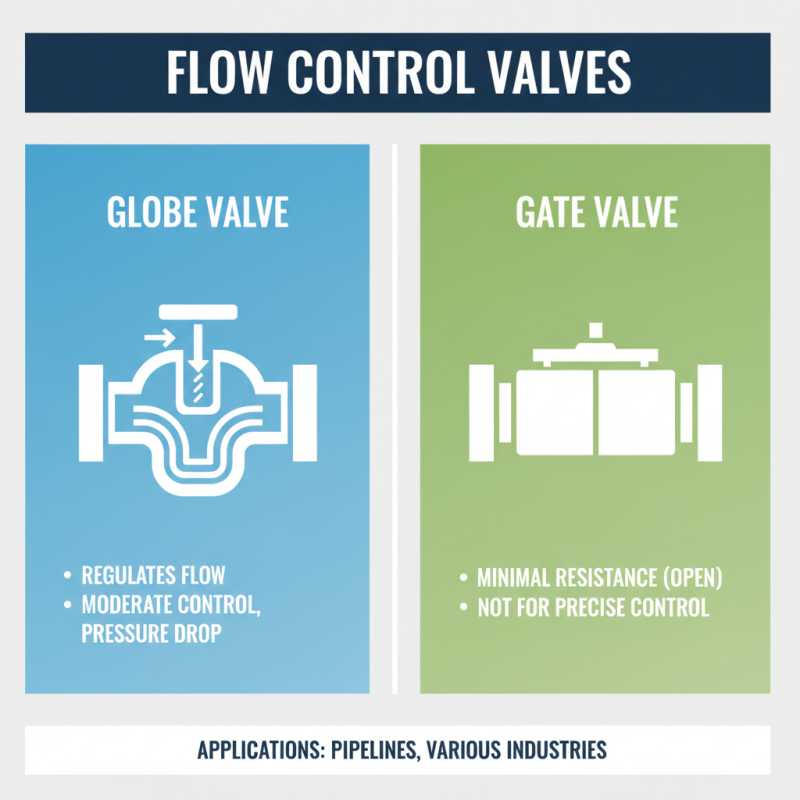
Flow control valves come in various types, each designed for specific applications. A common type is the globe valve, often used in pipelines for regulating flow. Its design allows for a moderate level of flow control but may experience pressure drop issues. In less critical applications, gate valves can be found. They offer minimal resistance when fully open but are not ideal for precise flow adjustments.
Another popular choice is the ball valve. It's efficient and excels in on-off control. However, it lacks the fine-tuning capability of some other types. Diaphragm valves are also noteworthy, commonly used in industries that handle corrosive fluids. They provide excellent sealing but can be expensive to maintain.
When selecting a valve, consider the specific needs of your system. Compatibility with fluids and pressure ratings are crucial. Some systems may require a balance between cost and performance. It's essential to analyze the application thoroughly. A wrong choice can lead to inefficient flow and higher operational costs. Hence, weighing options helps ensure optimal functioning.
Understanding Flow Characteristics and Their Impact on System Efficiency
Choosing the right flow control valve impacts system efficiency significantly. Understanding flow characteristics, such as pressure drop and flow rate, is crucial. For instance, a recent industry report highlighted that a 10% increase in pressure drop can lead to a 20% reduction in system efficiency. This clearly shows how essential it is to select the appropriate valve type.
Flow characteristics depend on system requirements. For example, a system needing minimal pressure loss would not suit a valve with high resistance. Such mismatches can lead to inefficiencies. Data from the American Society of Mechanical Engineers indicates that poorly selected valves account for up to 30% of energy waste in fluid systems.
In many cases, valves are over-engineered or under-engineered, adding complexity. A simple, well-suited valve might improve efficiency but often gets overlooked. Reflecting on installation practices can also reveal shortcomings. Misalignment can cause uneven flow, further diminishing performance. Proper assessment and testing of flow characteristics are essential for optimal system functionality.
Key Specifications to Evaluate in Flow Control Valve Selection
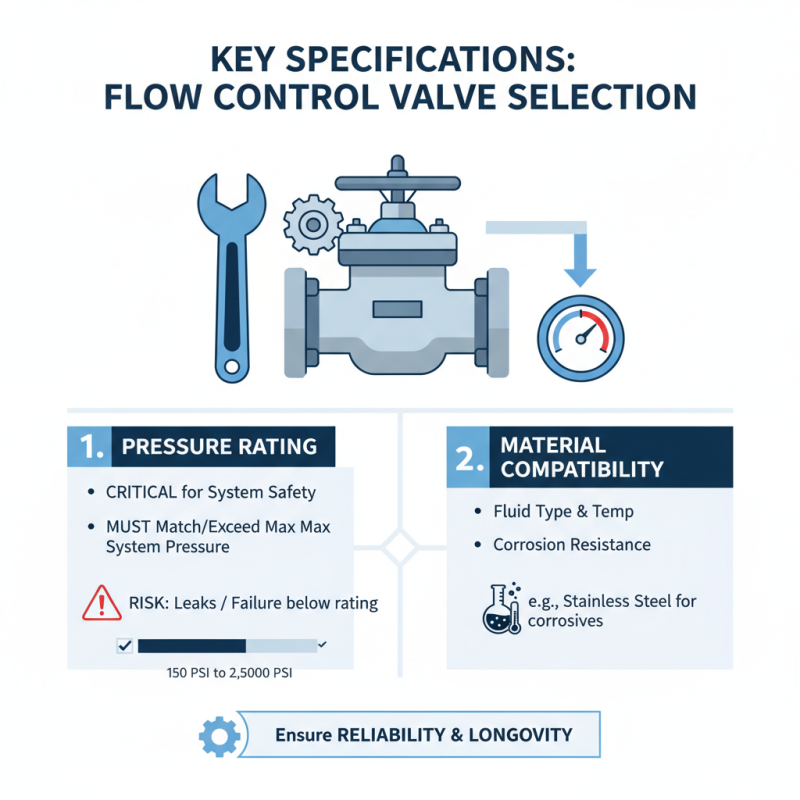
Choosing the right flow control valve for your system involves careful evaluation of key specifications. Pressure ratings are critical. A valve must handle the maximum pressure in the system without failure. Most applications require valves rated between 150 PSI to 2,500 PSI. Selecting a valve with a lower rating can lead to severe leaks or catastrophic failures.
Another key specification is the material of the valve body. Different fluids corrode or react with specific materials. For instance, brass valves work well with water but might corrode in acidic environments. Industry reports indicate that over 30% of failures stem from material incompatibility. Understanding fluid characteristics is essential.
Lastly, consider the flow coefficient, or Cv value, of the valve. This number defines how much fluid can pass through. A higher Cv indicates better flow capability. Many engineers aim for a Cv that matches system requirements without oversizing. Oversizing can lead to inefficiencies and variable flow rates. Real-world applications suggest that improperly sized valves account for nearly 25% of maintenance issues, highlighting the importance of precise selection.
Industry Standards and Compliance for Flow Control Valves
Choosing the right flow control valve involves understanding industry standards and compliance. Various standards guide the manufacturing and testing of these valves. For instance, API 600 outlines the requirements for gate valves in the oil and gas sector. Adhering to such standards ensures safety and performance.
Another critical standard is ASME B16.34, which covers metallic valves. This standard emphasizes pressure-temperature ratings and materials of construction. Failure to comply can lead to severe consequences, including valve failure. According to a market analysis by Grand View Research, the global flow control valve market was valued at $8.84 billion in 2023. This figure illustrates the industry's emphasis on standards for reliability.
Additionally, many manufacturers fail to meet compliance requirements on the first attempt. Reports indicate that nearly 30% of valves are returned for non-compliance issues. This highlights the importance of quality assurance in the production process. Regular audits and testing can help in identifying these flaws early. It’s essential for users to prioritize companies committed to upholding these standards.