
Blog
How to Choose the Best Adjustable Pipe Wrench?
Choosing the best Adjustable Pipe Wrench is not simply about selecting the largest model. The right choice depends on pipe size, material, access, grip, and working conditions. A wrench that feels powerful on a steel pipe may damage a softer fitting. That difference matters.
Roger Wakefield, a licensed plumber and plumbing educator, often emphasizes a practical principle: “The right tool makes the job safer and easier.” His advice reflects everyday plumbing experience. A dependable wrench should open smoothly, hold firmly, and remain comfortable during repeated adjustments. Its jaws should align correctly without excessive play. The handle should provide control, not unnecessary bulk.
This guide examines the details that professionals consider before buying. It compares jaw capacity, forged construction, adjustment mechanisms, handle length, surface grip, and overall weight. It also considers whether the wrench suits repair work, installation tasks, maintenance, or occasional home use. Bigger is not always better. More force can create more damage.
Look closely at the teeth. Sharp, uneven teeth may mark a finished surface or slip under pressure. Check the adjustment nut, too. A stiff nut slows the job, while a loose one can reduce control. Manufacturer specifications and recognized quality standards deserve attention, although they do not replace careful inspection.
Some choices remain personal. Hand size, working angle, and available space can change the best answer. I may prefer a longer handle for leverage, but another technician may value lighter weight. That small disagreement is worth considering. The best Adjustable Pipe Wrench is the one that delivers secure control without encouraging careless force.
What Is an Adjustable Pipe Wrench and How Does It Work?
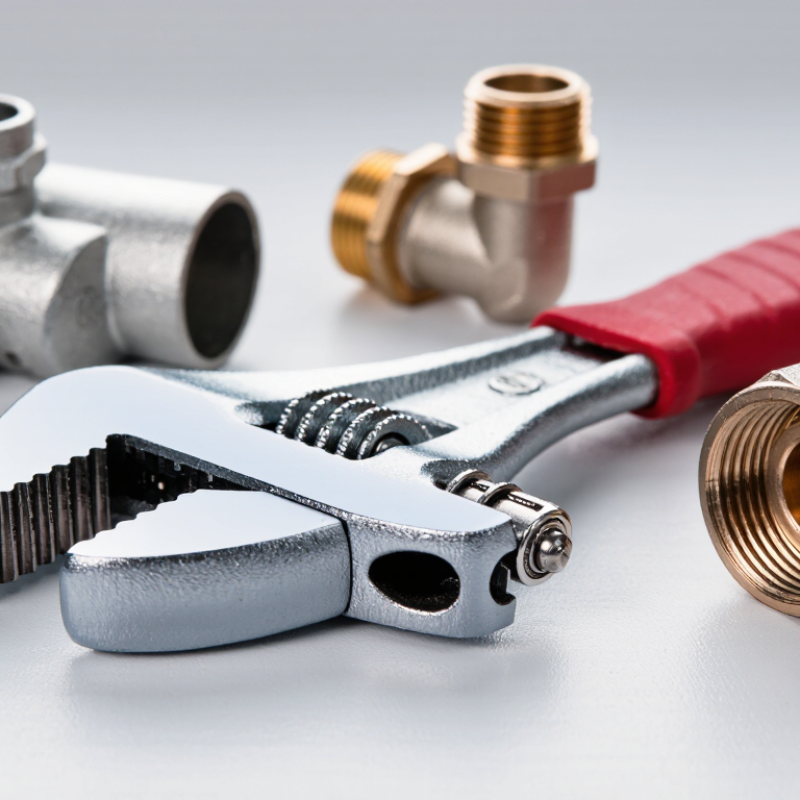
An adjustable pipe wrench is a hand tool designed to grip round pipes and fittings. Its serrated jaws bite into a surface when force turns the handle. The fixed heel jaw supports the pipe, while the movable hook jaw changes the opening size. A threaded adjustment nut controls this movement. As pressure increases, the jaws tighten their grip, creating strong turning leverage.
Choosing the right wrench starts with pipe size and working space. Check the stated jaw capacity before buying. A wrench that is too small may slip, while an oversized tool can feel awkward and heavy. I prefer a forged steel body with clean, sharp teeth and a smooth adjustment nut. The handle should offer enough length for leverage without blocking nearby fittings. A narrow head helps in crowded mechanical spaces.
Use the wrench on firm, clean surfaces. Oil, paint, or rust can reduce grip. Avoid polished or thin-walled parts, because the teeth may leave deep marks or cause damage. I once tightened a wrench too aggressively and deformed a soft fitting. That mistake changed how I judge tool pressure. Firm contact is enough. Inspect the jaw teeth regularly, and replace the tool if cracks, rounded teeth, or a bent handle appear. A comfortable grip matters, but control matters more.
| Selection Dimension | Typical Data or Range | How It Works or What It Means | Recommended Choice |
|---|---|---|---|
| Operating Principle | Adjustable upper jaw with a threaded adjustment nut | The nut changes the distance between the upper and lower jaws. When force is applied, the serrated jaws grip the pipe more tightly. | Choose a wrench with smooth adjustment and minimal jaw movement. |
| Jaw Design | Offset, serrated jaws; commonly positioned at approximately 15° from the handle | The offset jaw improves access around fittings, while the teeth bite into the pipe surface to resist slipping. | Use offset jaws for general plumbing and maintenance work. |
| Nominal Wrench Length | 6, 8, 10, 14, 18, 24, 36, or 48 inches | Longer handles provide greater leverage but add weight and require more working space. | Select the shortest wrench that can deliver the required torque. |
| Approximate Maximum Pipe Capacity | 6 in: up to 3/4 in 8 in: up to 1 in 10 in: up to 1 1/2 in 14 in: up to 2 in 18 in: up to 2 1/2 in 24 in: up to 3 in 36 in: up to 5 in 48 in: up to 6 in | Capacity refers to the approximate outside diameter of round pipe that the jaws can grip. Actual capacity varies by jaw profile and manufacturer design. | Match the wrench capacity to the pipe outside diameter, not only the nominal pipe size. |
| Common Construction | Forged steel body with hardened, replaceable or integral toothed jaws | Forged steel provides strength under high loads, while hardened teeth improve grip and wear resistance. | Choose a forged body and clearly defined, evenly formed teeth. |
| Handle Shape | I-beam, tapered, or straight handle; typically with a broad heel | A shaped handle improves stiffness and helps distribute force during tightening or loosening. | Select a handle that feels rigid and comfortable without sharp edges. |
| Adjustment Nut | Threaded nut with a knurled or textured surface | The nut controls jaw opening. A loose or damaged nut can cause excessive jaw movement and slipping. | Check that the nut turns freely and holds the jaw securely under hand pressure. |
| Jaw Opening | Varies according to wrench length and jaw geometry | A larger opening increases versatility, but the jaws must still contact the pipe with sufficient tooth engagement. | Avoid using a wrench near the extreme end of its opening range. |
| Leverage | Torque increases as handle length increases | A longer handle produces more turning force for the same hand effort, but excessive force can damage fittings or pipe. | Use a 10–14 inch wrench for many household tasks and larger sizes for heavy-duty work. |
| Portability | Short models are easier to carry; long models are heavier and bulkier | Compact tools fit tight spaces, while large tools are better suited to structural pipework and high-torque applications. | Keep a compact wrench for confined areas and a longer wrench for accessible, high-load work. |
| Pipe Surface Compatibility | Best suited to steel, galvanized steel, and other strong round metal pipe | Serrated teeth can mark or deform softer materials, thin-wall tubing, finished surfaces, and plastic pipe. | Use a strap wrench or an appropriate smooth-jaw tool for delicate surfaces. |
| Working Clearance | Requires room for the handle to swing and for the jaws to align with the pipe | Restricted access can prevent full jaw engagement and may increase the risk of slipping. | Choose a shorter wrench or a different jaw orientation for confined spaces. |
| Grip and Safety | Firm hand grip; no extension pipe should be added to the handle | Handle extensions can generate excessive torque, overload the tool, and damage the pipe or fitting. | Use the correct wrench size and keep both jaws fully engaged before applying force. |
| Maintenance | Clean teeth and threads; light lubrication on the adjustment mechanism | Removing debris maintains tooth engagement, while lubrication helps the adjustment nut operate smoothly. | Inspect the teeth, jaw alignment, handle, and adjustment nut before each demanding task. |
| Best Overall Selection | Forged steel body, hardened teeth, secure adjustment nut, suitable capacity, and comfortable handle | A good adjustable pipe wrench balances grip, leverage, durability, access, and safe handling. | Prioritize correct capacity and secure jaw engagement over maximum size. |
Note: Pipe capacities and dimensions are typical industry ranges for common adjustable pipe wrench designs. Always verify the tool's stated capacity and inspect the pipe and fitting before applying force.