
Blog

How to Choose the Best Harbor Cranes for Your Port?

Choosing Harbor Cranes is a long-term port investment, not a simple equipment purchase. The right crane must match vessel size, cargo type, berth layout, operating hours, and available maintenance support. A container terminal handling large ships has different demands from a bulk-cargo quay or a compact regional port. The details matter: outreach, lifting capacity, hoist speed, rail span, and wind exposure can shape daily performance.

For an illustrative expert perspective, fictional port-equipment engineer Daniel Mercer offers this guiding line: “Choose the crane for the work your berth must handle—not for the biggest specification on the brochure.” That is a useful reminder, not a sourced quotation. Buyers should compare realistic duty cycles, energy use, operator visibility, spare-parts access, and the supplier’s service plan. A crane that looks impressive on paper may still create delays if it cannot be maintained quickly or safely in the port’s conditions.

This guide explains how to assess Harbor Cranes against operational needs, technical limits, and lifecycle costs. It also considers automation, safety features, installation constraints, and future capacity plans. Some trade-offs are unavoidable. A faster crane may require greater investment, while a highly customized design can complicate servicing. The best choice is the one that fits the berth, the cargo, and the people who will operate it—today and as demand changes.
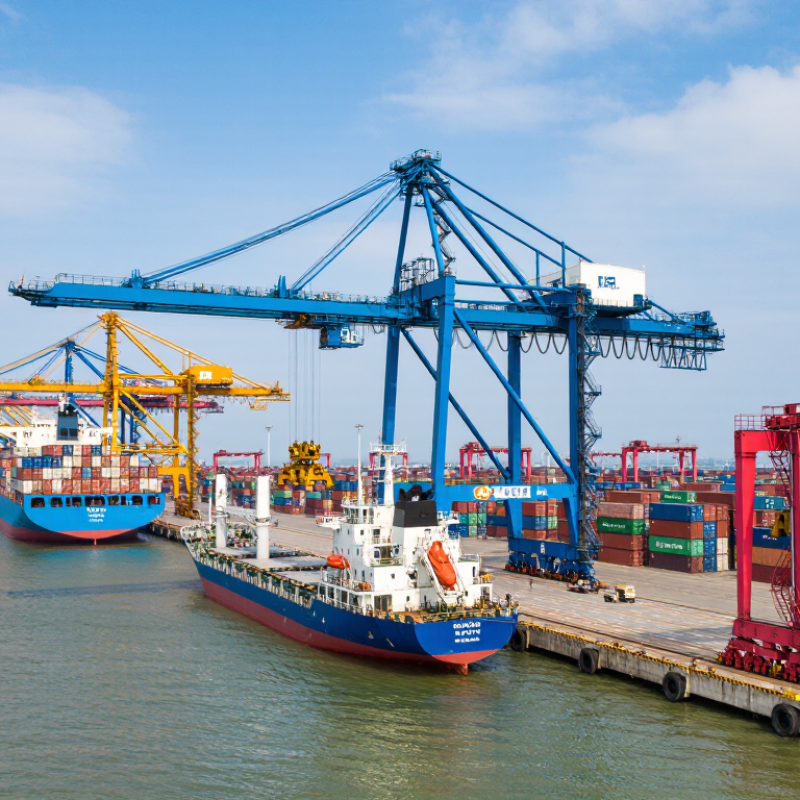
How to Choose the Best Harbor Cranes for Your Port?

Assess Cargo Types, Vessel Traffic, and Port Capacity Needs

How to Choose the Best Harbor Cranes for Your Port?

Assess Cargo Types, Vessel Traffic, and Port Capacity Needs

Start with the cargo moving across the quay. Container terminals need crane outreach and lifting height matched to vessel dimensions; bulk terminals may need grabs suited to cargo density and dust-control needs. UNCTAD’s Review of Maritime Transport 2023 notes that shipping carries over 80% of world trade by volume. That scale matters, but it does not mean every port needs larger cranes. Details matter. Check actual cargo mixes, peak loads, and the share of oversized or irregular shipments before specifying equipment.

Vessel traffic shapes the choice as much as cargo does. Review call frequency, peak-season bunching, vessel beam, and berth time—not just annual throughput. The World Bank’s Container Port Performance Index 2023 compares vessel time in port across 405 container ports, offering a useful prompt to examine delays and operating patterns. It is not a substitute for a site-specific capacity study. Include berth spacing, yard storage, truck or rail flow, maintenance windows, and local wind limits in that study. A fast crane can still wait for a clear yard. Forecasts miss things. Revisit assumptions against recent call records and planned vessel changes; even a careful model may need adjusting.

Compare Harbor Crane Types and Their Operating Roles

Harbor cranes serve different jobs, so compare their operating roles before comparing lifting capacity. Ship-to-shore gantry cranes are built for container vessels, moving boxes between ship and quay. Their long booms reach across wide decks, but they need dedicated berth space and strong supporting structures. Mobile harbor cranes offer more flexibility. They can handle containers, general cargo, and bulk materials by changing attachments, though frequent repositioning may slow work. Rail-mounted portal cranes can suit fixed routes and repeated quay operations. Hooks or grabs adapt them to cargo such as steel coils or loose materials.

Tips: Match crane reach to the largest vessel you expect, not just today’s ships. Check lifting capacity at the required outreach; maximum capacity often applies closer to the crane. Also assess wind exposure, berth strength, power supply, and maintenance access. A crane that fits the vessel may still create bottlenecks on the quay.

Look at the whole operating pattern. Container terminals often benefit from predictable, high-volume cycles, while mixed-cargo ports may value a crane that changes tasks quickly. Ask operators to review actual vessel calls and peak-hour moves. Specs help, but they do not show every awkward handoff. Some assumptions will be wrong; allow room to reassess after observing real shifts.

Match Crane Capacity, Reach, and Mobility to Port Conditions

A harbor crane should match the loads your port handles, not just its largest occasional lift. Record typical cargo weights, lifting attachments, and peak loads. Then check the crane’s rated capacity at the actual working radius; capacity usually changes as the boom reaches farther. Measure twice. A container or bulk grab positioned beyond the quay edge can demand a different load chart than one close to the crane. Leave room for future vessel sizes, but avoid paying for capacity your operations rarely use.

Reach depends on berth layout, vessel beam, and where trucks or storage areas sit. Compare outreach and lift height against real vessel plans, including clearance over deck equipment. Mobility matters just as much. Rail-mounted cranes suit dedicated quay routes, while rubber-tired units may offer more flexible positioning where pavement and ground bearing capacity allow.

Check turning space, track condition, electrical access, and wind exposure. These details are easy to miss on a drawing. A site walk during a busy shift can reveal blocked lanes or awkward handoffs that planning documents overlook. I would revisit the assumptions after a season; traffic patterns rarely stay exactly as predicted.

Evaluate Safety, Automation, Energy Use, and Maintenance Needs

Choosing a harbor crane starts with the loads, reach, and weather it must handle. Check the rated capacity against real cargo, including heavy lifts and uneven load distribution. Inspect the working envelope around nearby cranes, ship hatches, and storage areas. Ask how overload protection, emergency stops, and wind limits are tested and recorded. A load chart is useful, but crews also need clear alarms and practical training.

Small details matter.

Automation should match the port’s operating conditions and staff skills. Remote controls, anti-sway features, and diagnostic alerts can improve consistency, but they need reliable sensors and trained operators. Energy use depends on duty cycle, idle time, and the crane’s drive system; request figures based on comparable work, not ideal conditions. A neat estimate can still miss long pauses between vessel calls.

Maintenance deserves equal attention: check inspection access, spare-part lead times, service intervals, and whether common repairs require specialist support. Keep records. Compare expected downtime with the port’s actual operating schedule, then revisit the assumptions after a trial period.

Compare Lifecycle Costs and Supplier Support

A harbor crane’s purchase price is only the first line in its cost. Compare expected energy use, scheduled inspections, major component replacements, and the cost of operator training. Include site work, such as reinforced quay sections or upgraded power connections, because these can change the budget substantially. Ask suppliers to state their assumptions and estimate costs across the crane’s intended service life. Check whether estimates include routine parts, technician travel, software updates, and disposal.

Downtime deserves careful attention. A crane standing idle during a busy vessel call can affect labor plans and berth schedules. Estimate this exposure using your own operating records, not a generic figure. Then ask how quickly the supplier can diagnose faults, deliver critical parts, and provide on-site service. Request clear warranty terms, local parts availability, maintenance intervals, and training arrangements. Specifics matter.

A low annual service quote can hide exclusions. Read the fine print. For example, confirm whether inspections cover cables, brakes, and control systems, or whether those tasks cost extra. Compare support response times against your operating hours and weather constraints. Speak with port operators who use similar equipment, where possible, and ask what surprised them after installation. Supplier projections still need scrutiny; even a detailed forecast can miss real site conditions. That is worth admitting before approval.

How to Choose the Best Harbor Cranes for Your Port? - Compare Lifecycle Costs and Supplier Support

Crane type Best-fit port task Typical capability Indicative new-equipment cost (USD) Typical service-life planning range Major lifecycle-cost drivers Supplier support to evaluate
Mobile harbor crane Flexible cargo handling across multiple berths, including containers, bulk, and general cargo. Configuration-dependent; many models offer maximum lifting capacities of roughly 100–250 tonnes. About $8–20 million per crane. Approximately 20–30 years, depending on duty, corrosion protection, and maintenance. Fuel or electricity, tires or rail gear, hydraulic systems, wear parts, and major overhauls. Local technician coverage, spare-parts availability, diagnostic support, and response times for breakdowns.
Ship-to-shore container crane High-volume container transfers between ships and the quay. Outreach, lift height, and capacity are vessel-specific; larger units serve wide-beam vessels and higher container tiers. About $10–25 million per crane; berth works and electrical infrastructure may be additional. Approximately 25–30 years with planned inspection, structural maintenance, and component renewal. Electricity, trolley and hoist components, ropes, spreaders, structural inspections, and control-system upgrades. Commissioning and operator training, software and controls support, lifecycle parts plan, and outage-response commitments.
Bulk ship unloader Discharging dry bulk cargo such as grain, minerals, or other commodities from ships. Designed around cargo properties and required throughput; grab, continuous, and pneumatic systems suit different materials. About $15–40 million per installation, with scope and conveying systems affecting the total. Approximately 25–30 years; high-duty wear components may need earlier replacement. Power, grabs or conveying equipment, liners and seals, dust control, corrosion, and cargo-specific wear. Support for the full unloading and conveying system, wear-part supply, dust-control expertise, and planned shutdown service.
Floating crane Ship-to-ship or ship-to-shore lifting where fixed quay equipment is unavailable, impractical, or insufficient. Capacity and outreach vary substantially by vessel, crane arrangement, and operating conditions. Highly configuration-dependent; obtain project-specific quotations and include vessel or barge costs where applicable. Crane and supporting vessel life depend on marine classification, inspection, utilization, and refurbishment history. Marine fuel or power, vessel maintenance, class surveys, mooring, corrosion control, and specialized crew costs. Marine engineering capability, class-compliance support, spare parts, mobilization logistics, and emergency service arrangements.

Planning note: Cost figures are broad, indicative budget ranges for new equipment, not quotations. They vary with capacity, configuration, location, installation scope, and market conditions; civil works, taxes, financing, and some auxiliary systems may be excluded. Compare lifecycle cost over the same study period using purchase and installation, energy, labor, maintenance, major replacements, downtime, and end-of-life costs. Ask each supplier to state assumptions, parts lead times, warranty terms, service coverage, and guaranteed response times in writing.