
Blog
How to Choose the Right Anchor Bolt Coupling Nut?
Choosing the Right Anchor Bolt Coupling Nut is a small decision with structural consequences. In a steel connection, this component joins threaded rods, repairs damaged threads, or extends anchor bolts when field conditions change. A poor match may create uneven thread engagement, visible gaps, or difficult torque transfer. The failure can begin quietly, beneath a washer or inside a base plate.
Market activity makes this choice more important. The U.S. Census Bureau reported approximately $2.15 trillion in construction spending during 2024, showing the enormous scale of modern building work. At that scale, minor fastening errors can repeat across thousands of connections. The American Institute of Steel Construction’s Specification for Structural Steel Buildings, AISC 360, emphasizes verified material properties, connection design, and proper installation. ASTM F3125 also provides requirements for high-strength structural bolts and assemblies, although not every coupling nut falls within its scope. That distinction matters.
Fit is not enough. Engineers and inspectors should check thread size, pitch, grade, proof strength, length, corrosion protection, and compatibility with the anchor rod. The RCSC Specification for Structural Joints Using High-Strength Bolts offers useful guidance on pretensioned and snug-tightened connections, but project requirements must control. Confirm the manufacturer’s markings and certificates. Measure exposed threads with a gauge, not by sight. A coupling nut should engage both rods adequately, without binding or bottoming out. Tiny details matter.
Field experience also reveals an uncomfortable truth: drawings may not reflect the installed condition. Recheck everything. A sound selection combines engineering calculations, recognized standards, supplier traceability, and careful inspection. No shortcut replaces that process. This guide explains how to choose an Anchor Bolt Coupling Nut that performs reliably under real construction conditions.
Understanding the Purpose of an Anchor Bolt Coupling Nut
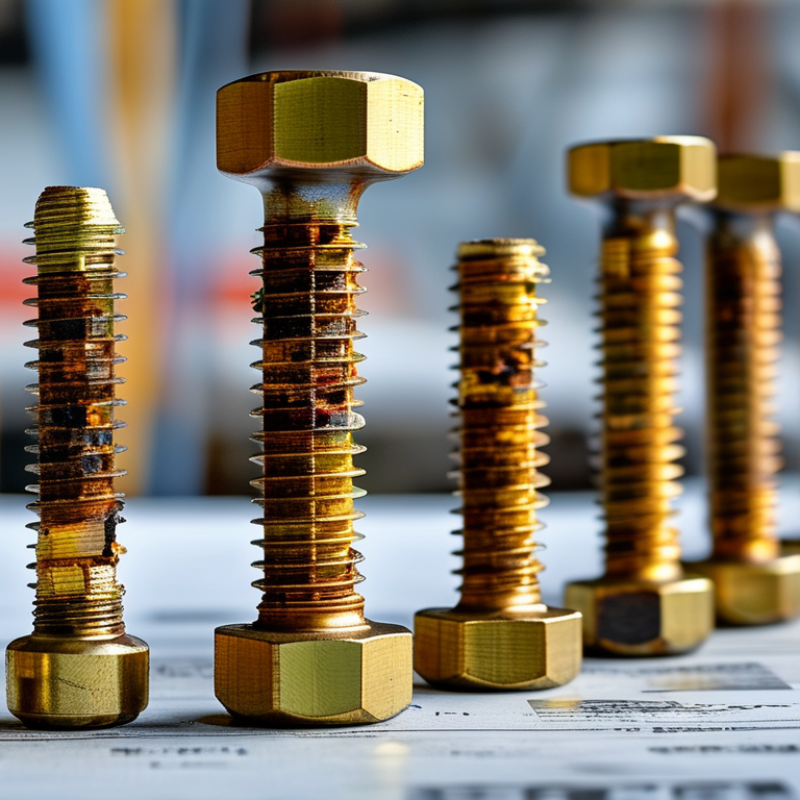
An anchor bolt coupling nut joins two threaded sections into one continuous load path. Its purpose is practical: extend a short anchor, repair damaged threads, or connect a replacement section without changing the base plate. The nut must transfer tension through its threads, not merely hold two rods together. That distinction matters.
ASTM F1554 defines anchor bolt grades with minimum yield strengths of 36, 55, and 105 ksi. A coupling nut should match the bolt’s diameter, thread form, grade, and required tensile capacity. A stronger-looking nut is not automatically safer. Thread engagement, nut length, and installation torque also affect performance. ASTM A563 provides material and mechanical requirements for steel nuts, while ACI 318 Chapter 17 addresses anchor design for tension, shear, breakout, and pullout. These references support selection, but they do not replace project-specific engineering.
On site, inspect every thread before assembly. Dirt can create false tightness. Use a full-length coupling nut when specified, and confirm that both rods reach the required engagement depth. A simple witness mark helps verify movement during tightening. I have seen drawings treated as complete when the coupling detail was missing. That is a warning, not a minor oversight. Ask the engineer to confirm the load path, washer arrangement, corrosion protection, and inspection method before installation. As noted in AISC 360-22, connection reliability depends on design, materials, fabrication, and erection working together.
How to Choose the Right Anchor Bolt Coupling Nut? - Understanding the Purpose of an Anchor Bolt Coupling Nut
| Selection Dimension | Recommended Choice | Purpose of the Coupling Nut | Key Selection Check | Typical Application |
|---|---|---|---|---|
| Primary Function | Use a coupling nut when two threaded anchor rods or bolts must be joined end-to-end. | Extends the effective threaded length and transfers tension through fully engaged internal threads. | Confirm that the connection is intended for threaded-rod extension rather than for replacing a structural splice designed by an engineer. | Extending anchor rods where the required embedment or exposed length exceeds the available rod length. |
| Nominal Thread Diameter | Match the inside thread diameter to the exact nominal diameter of the anchor bolt or rod. | Provides a close threaded fit without excessive clearance or forced assembly. | Do not mix nominal diameters. A nut sized for a different diameter cannot provide proper thread engagement. | Common inch sizes include 1/2, 5/8, 3/4, 7/8, and 1 inch; metric sizes include M12, M16, M20, and M24. |
| Thread System | Use the same thread system, such as Unified National Coarse or Unified National Fine, or the specified metric pitch. | Ensures that the internal threads engage correctly with both connected rods. | Check diameter, thread pitch, and thread class. A coarse thread coupling nut must not be paired with a fine-thread rod. | Structural steelwork, equipment anchorage, concrete foundation work, and industrial installation. |
| Thread Engagement | Provide full engagement on both rods, ideally using the complete effective internal length of the nut. | Distributes load across the engaged threads and reduces the risk of thread stripping or localized stress. | The connected rods should meet near the center of the coupling nut unless the applicable design specification states otherwise. | Load-bearing anchor assemblies subject to tension, vibration, or repeated service loads. |
| Coupling Nut Length | Select a length that accommodates the required thread engagement and the design load. | A longer nut can provide more engaged threads, but its capacity still depends on material, thread quality, and rod strength. | Do not select by outside appearance alone. Verify the required length against the engineering design or applicable standard. | Short standard couplers for routine extensions; longer couplers for increased engagement or alignment requirements. |
| Material Strength | Choose a coupling nut with mechanical properties compatible with the anchor rod and the specified design load. | Allows the threaded connection to develop the required resistance without premature nut failure. | The coupling nut should not be weaker than the connection requirement. Review proof load, tensile strength, and applicable certification. | High-load foundations, machinery bases, structural supports, and seismic or dynamic applications. |
| Material Compatibility | Use compatible materials for the nut, anchor rod, washers, and surrounding environment. | Reduces galvanic corrosion and helps maintain thread integrity during service. | Avoid combining dissimilar metals in wet, salty, or chemically aggressive environments without suitable corrosion-control measures. | Outdoor foundations, coastal construction, water-treatment facilities, and chemically exposed installations. |
| Corrosion Protection | Select plain, zinc-coated, hot-dip galvanized, or stainless steel construction according to exposure conditions. | Protects the threaded connection from corrosion that could reduce section strength or prevent future adjustment. | The coating or stainless grade should be compatible with the anchor rod and should not interfere with the specified torque or thread fit. | Interior dry areas typically use plain or zinc-coated parts; exterior or corrosive areas may require galvanized or stainless components. |
| Load Direction | Use the coupling nut only for load directions and load combinations covered by the design. | Primarily joins threaded members carrying axial tension, while some assemblies may also experience shear or bending. | Obtain engineering verification when the connection carries significant shear, bending, fatigue, impact, or eccentric loading. | Axial anchorage of columns, base plates, equipment, façade supports, and structural frames. |
| Installation Method | Clean the threads, hand-start the nut, engage both rods, and tighten using the specified procedure. | Proper installation helps prevent cross-threading and ensures consistent contact between the mating threads. | Do not use impact tools unless permitted by the installation specification. Apply lubricant only when the torque procedure allows it. | New construction, repair work, anchor-rod extension, and field adjustment of threaded assemblies. |
| Inspection Requirement | Inspect thread condition, engagement depth, nut alignment, visible damage, and final tightening. | Confirms that the coupling nut is fully seated and that the connection has not been compromised during assembly. | Replace parts with damaged, contaminated, deformed, or heavily corroded threads. Record inspection results where required. | Quality-controlled structural work, industrial maintenance, and safety-critical installations. |
| Standard and Certification | Select products manufactured and tested to the project specification or applicable fastener standard. | Provides a defined basis for dimensions, thread form, material properties, testing, and traceability. | Verify the required standard, grade, coating, and documentation before installation; standards vary by region and application. | Regulated construction, engineered foundations, public infrastructure, and projects requiring material certificates. |
| Final Fit Check | The nut should run smoothly by hand over clean, correctly matched threads before final tightening. | Identifies incorrect thread size, cross-threading, burrs, or contamination before the connection is loaded. | Stop installation if the nut binds, rocks excessively, or cannot achieve the specified engagement. | All anchor bolt coupling nut installations, especially field-assembled connections. |