
Blog

How to Choose the Right Electrical Switchgear Box in 2026?

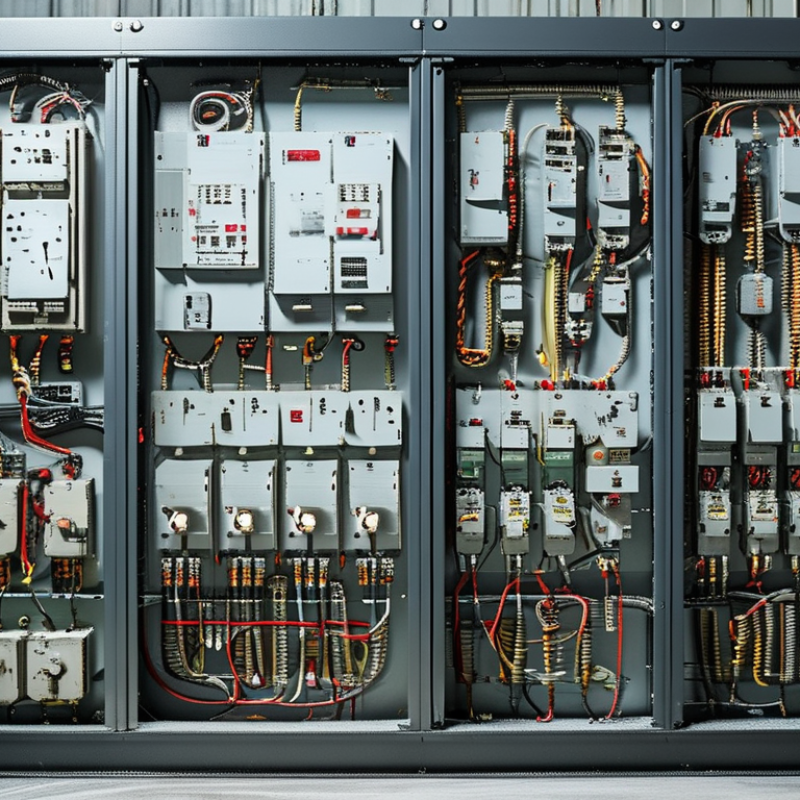
In 2026, choosing the right Electrical Switchgear Box requires more than comparing prices and enclosure sizes. Modern facilities demand safer distribution, clearer maintenance access, and dependable performance under changing loads. A suitable box should protect circuit breakers, busbars, cables, and control equipment from dust, moisture, heat, and accidental contact. Small details matter.

Start with the installation environment. An indoor factory panel may need different protection from an outdoor box exposed to rain, salt air, or direct sunlight. Check the required ingress protection rating, material strength, ventilation, corrosion resistance, and available working space. A cramped enclosure can make cable termination difficult and increase maintenance risks. Measure twice.

Technical selection should also consider rated voltage, current capacity, short-circuit withstand strength, temperature rise, and future expansion. Review the manufacturer’s test reports, quality records, and compliance with applicable standards, such as IEC 61439 where relevant. Local electrical requirements and project specifications must guide the final decision. An experienced engineer should verify coordination between protective devices and connected loads.

However, no product datasheet predicts every site condition. Dust may be heavier than expected. Operators may need faster isolation access. A box that performs well in one plant may fail to suit another. Ask suppliers for drawings, material details, testing evidence, and installation guidance. Inspect comparable installations when possible. Reliable selection comes from combining documented performance with practical experience, careful risk assessment, and honest review of what the project may have overlooked.
How to Choose the Right Electrical Switchgear Box in 2026?

Define the Purpose and Operating Conditions of the Switchgear Box

Before selecting a switchgear box, define what it must control, protect, and isolate. A lighting panel in a dry plant room needs different protection from an outdoor motor feeder. Record the system voltage, rated current, short-circuit level, and outgoing circuit count. Leave space for heat dissipation and future wiring. Small details matter. A box sized only for today’s load may become unsafe after expansion.

Describe the operating conditions with measurable facts. Record ambient temperature, humidity, dust, water exposure, altitude, vibration, and corrosive chemicals. For outdoor installation, check sunlight, rainfall, flooding risk, and enclosure ingress protection. In a dusty workshop, sealed cable entries and suitable ventilation may matter more than appearance. Do not guess. Use site measurements and verified technical data. Condensation is often overlooked, especially where warm equipment meets cold night air.

Consider who will operate, inspect, and maintain the box. Provide safe working clearance, clear labels, lockable isolation, and practical cable access. Choose enclosure materials and coatings according to actual corrosion risks, not broad climate descriptions. In one project, my first specification was too general. We later found that condensation control mattered more than a stronger enclosure material. The change improved reliability, but it also showed a weakness in the original review. Check applicable electrical codes and tested assembly requirements, then document every assumption for future maintenance.

Compare Voltage, Current, and Short-Circuit Ratings

How to Choose the Right Electrical Switchgear Box in 2026?

Compare Voltage, Current, and Short-Circuit Ratings

Choosing a switchgear box starts with the system’s highest operating voltage, not its normal reading. A 400-volt installation may experience switching surges and temporary variation. Select equipment with a rated voltage above the measured system maximum. Leave practical headroom. Too little margin can create dangerous insulation stress.

Current ratings describe continuous load capacity. Add the expected loads, then consider motor starting current, ambient heat, altitude, and enclosure ventilation. A box rated at 630 amperes may carry less in a hot, crowded cabinet. Check the manufacturer’s derating tables and conductor temperature limits. Field measurements are useful, but estimates can be wrong.

Short-circuit ratings demand special care. Ask an engineer to calculate the prospective fault current at the installation point. Compare that value with the box’s short-time withstand rating and interrupting rating. These are not interchangeable. For example, a panel might withstand a fault briefly but lack the device needed to interrupt it safely. Coordination between breakers also matters, especially when downstream faults occur. I have seen specifications focus on normal current while ignoring utility fault data. That shortcut looks efficient, but it can invalidate the selection. Review the latest drawings, available fault calculations, and installation conditions before approval.

Select the Appropriate Enclosure Material and Protection Level

How to Choose the Right Electrical Switchgear Box in 2026?

Select the Appropriate Enclosure Material and Protection Level

The enclosure material should match the installation environment, not just the project budget. Painted steel suits dry indoor rooms and offers strong impact resistance. Stainless steel performs better near salt spray, cleaning chemicals, and persistent moisture. Aluminum is lighter, but it may need careful treatment in corrosive areas. Polycarbonate can resist corrosion and reduce electrical conductivity concerns. It may not tolerate every impact or temperature condition.

Protection ratings require practical interpretation. An IP66 enclosure blocks dust and withstands powerful water jets, but it is not automatically suitable for flooding. Check the actual exposure, cable entry design, and door seal quality. IP ratings and NEMA classifications are not interchangeable. Ask for verified test documents. Do not rely on a label alone.

In field inspections, I look for condensation marks, damaged hinges, and poorly sealed cable glands. Small gaps often create larger failures. A breather drain, anti-condensation heater, or pressure-equalization device may help in changing climates. I once accepted a box with a suitable IP rating, yet overlooked heat buildup from densely packed equipment. That decision needed correction. Calculate internal temperature, short-circuit stress, and available working space before approval. Leave room for maintenance. Real installations are rarely as clean as drawings suggest.

Evaluate Safety Features, Standards, and Installation Requirements

How to Choose the Right Electrical Switchgear Box in 2026?

Safety starts with the enclosure, not the price tag. Select a box with suitable ingress protection for dust, water, corrosion, and impact exposure. IEC 60529 classifies these risks through IP ratings, but field conditions may exceed laboratory assumptions. Check insulation clearance, grounding continuity, short-circuit withstand, and arc-flash controls. The U.S. Bureau of Labor Statistics recorded 145 fatal occupational injuries involving electricity in 2022. That number makes small design shortcuts difficult to defend.

Standards must match the complete assembly. IEC 61439 requires design verification, temperature-rise checks, dielectric testing, and short-circuit verification for low-voltage switchgear assemblies. NFPA 70 and local electrical codes also influence conductor spacing, working clearance, labeling, and overcurrent protection. Ask for test certificates, drawings, torque values, and maintenance instructions. Do not accept a generic compliance statement.

Installation details often decide real-world performance. Confirm the mounting surface can carry the enclosure, cables can bend without strain, and ventilation remains unobstructed. Keep moisture away from cable entries with correctly rated glands and seals. A practical inspection should include a calibrated torque tool, insulation testing, and phase identification before energizing. I have seen tidy boxes fail because installers ignored heat buildup. The checklist looked complete. The installation was not. Recheck assumptions when ambient temperature, fault level, or future load changes.

How to Choose the Right Electrical Switchgear Box in 2026?

Evaluate safety features, standards, and installation requirements before selecting an enclosure.

The chart presents the IEC 60529 water-protection characteristic levels used in IP codes. Higher characteristic numbers indicate progressively stronger protection against water, from no declared protection at IPX0 to high-pressure, high-temperature water jets at IPX9. IPX7 and IPX8 conditions depend on the enclosure manufacturer's specified test depth and duration. For a complete switchgear selection, also verify IEC 61439 assembly requirements, short-circuit withstand ratings, earthing, temperature rise, cable-bending space, ventilation, working clearances, and the installation environment.

Reference framework: IEC 60529 for IP degrees of protection and IEC 61439-1/-2 for low-voltage switchgear and controlgear assemblies. Local electrical codes and project specifications remain applicable.

Review Maintenance Needs, Expansion Options, and Total Cost

Choosing the right electrical switchgear box in 2026 requires more than checking voltage and enclosure size. Maintenance needs, expansion options, and total cost should guide the decision.

Inspect the working environment carefully. Dust, moisture, heat, and vibration can shorten component life. A sealed enclosure may reduce cleaning work in a dusty production room. However, excessive sealing can trap heat. That detail is often overlooked. Leave enough space for safe cable access and routine testing. Technicians should be able to inspect terminals without removing half the assembly. Clear labeling also reduces troubleshooting time and human error.

Expansion planning matters too. A box with spare mounting space, extra terminals, and unused cable entries can support future circuits. This may cost more today, but it can prevent a costly replacement later. Calculate the total cost across the equipment’s service life. Include purchase, installation, inspection, energy losses, spare parts, and downtime. The cheapest enclosure is not always the least expensive choice. I have seen projects reduce the initial budget, then spend heavily on difficult maintenance. That decision looked efficient at first. It was not.

Tips: Ask for maintenance access drawings before ordering. Check whether common replacement parts remain available. Reserve about 15–25% internal space for realistic expansion. Confirm environmental ratings with a qualified electrical professional. Recheck the plan after installation, because actual cable routing may differ from the design.

How to Choose the Right Electrical Switchgear Box in 2026? - Review Maintenance Needs, Expansion Options, and Total Cost
Evaluation Dimension Compact LV Panelboard LV Switchboard Motor Control Center MV Metal-Enclosed Switchgear
Typical voltage range Up to 600 V AC Up to 1,000 V AC Up to 1,000 V AC Typically above 1 kV to 38 kV AC
Common application Small commercial buildings, branch circuits, light industrial loads Main distribution, data centers, large commercial and industrial facilities Centralized control of motors, pumps, compressors and process equipment Utility intake, substations, large industrial plants and high-load facilities
Typical continuous current Up to approximately 600 A Approximately 800–6,000 A, depending on configuration Commonly 600–4,000 A main bus ratings Commonly 600–3,000 A, subject to voltage and design
Short-circuit withstand Often 10–65 kA RMS symmetrical Often 42–100 kA RMS symmetrical Often 42–100 kA RMS symmetrical Commonly 16–40 kA RMS symmetrical at medium voltage
Maintenance access Front access; simple breaker and termination inspection Front access is common; rear access may be needed for larger cable sections Withdrawable units can reduce service time; cable and starter compartments require inspection Requires qualified personnel, isolation, testing and strict arc-flash procedures
Recommended inspection interval Visual checks quarterly; detailed inspection annually or after a fault Visual checks quarterly; electrical maintenance typically every 1–3 years Visual checks quarterly; functional and connection checks annually or per duty cycle Condition-based inspection; detailed testing commonly every 1–3 years, subject to local rules
Key maintenance tasks Clean enclosure, check terminals, test protective devices and inspect heat damage Torque verification, thermal scanning, breaker testing, insulation checks and cleaning Starter testing, contact inspection, overload verification, ventilation cleaning and cable checks Insulation resistance, relay testing, interlock checks, contact inspection and partial-discharge monitoring where specified
Ease of future expansion Low; spare ways and enclosure space must be reserved at installation Medium to high; spare sections, bus capacity and feeder space can be designed in High when spare compartments and plug-in or withdrawable units are included Medium to high; extension sections are possible but require protection, bus and site coordination
Space requirement Low; wall-mounted or compact floor-mounted enclosure Medium to high; floor-mounted lineups require service clearance High; lineup depth and cable access must be coordinated with equipment rooms High; requires electrical clearances, access space and controlled working areas
Indicative equipment cost Approximately USD 500–5,000 per enclosure, excluding installation Approximately USD 10,000–100,000 per lineup, depending on rating and protection Approximately USD 20,000–150,000 per lineup, depending on motor starters and drives Approximately USD 80,000–500,000 or more per lineup, depending on voltage and protection
Typical installation complexity Low; short shutdown and limited commissioning effort Medium; requires coordination of feeders, protection settings and commissioning tests Medium to high; control wiring, motor data and functional testing add labor High; requires qualified technicians, protection coordination, testing and often utility approval
Lifecycle cost drivers Replacement breakers, limited enclosure capacity and downtime during modifications Breaker servicing, thermal losses, spare sections, testing and outage planning Motor starter and drive replacement, process downtime, ventilation and spare units Specialist labor, relay upgrades, insulation testing, outage coordination and safety compliance
Best selection scenario Small load count, limited growth and low available fault current Main distribution with several feeders, critical loads and planned capacity growth Facilities with many motors and a need for centralized process control Medium-voltage service, transformer primary protection or high-energy industrial distribution
Primary 2026 decision check Confirm fault rating, enclosure environment, spare circuits and available wall or floor space Confirm load growth, arc-flash energy, selective coordination, metering and spare sections Confirm motor starting method, process criticality, spare buckets and control-network requirements Confirm utility requirements, protection coordination, arc-resistant needs, access rules and qualified service capability
Cost and planning note: The cost ranges are indicative 2026 budget allowances in USD for equipment only. Actual total cost depends on electrical rating, short-circuit duty, enclosure construction, protection and metering, regional labor, freight, commissioning, maintenance contracts and required shutdown time. Final selection should be verified against the applicable local electrical code and the relevant product standard, such as IEC 61439, IEC 62271, UL 1558 or UL 891, as applicable.