How to Choose the Right Knife Gate Valve for Your Needs?
Selecting the right knife gate valve for your specific needs is crucial in various industrial applications. Knife gate valves are known for their ability to handle thick slurries and solids effectively. According to a report by MarketsandMarkets, the global knife gate valve market is expected to reach $1.2 billion by 2025, reflecting significant growth. This indicates a rising demand for efficient and reliable flow control solutions.
When choosing a knife gate valve, consider factors like material, size, and pressure requirements. The right specifications ensure optimal performance and longevity. Data from industry experts suggest that improper selection can result in leaks and increased maintenance costs. Awareness of these risks is essential for decision-makers.
Investing time in understanding knife gate valve features, such as the gate design and actuator type, can prevent costly mistakes. While many options are available, not all are suitable for every situation. The decision-making process should be thorough, reflecting real-world challenges and the need for reliability in operations.

Understanding Knife Gate Valves and Their Applications
Knife gate valves are essential in many industrial applications. They provide reliable isolation for slurries, powders, and other thick materials. Understanding their structure and function is crucial for selecting the right valve for specific needs.
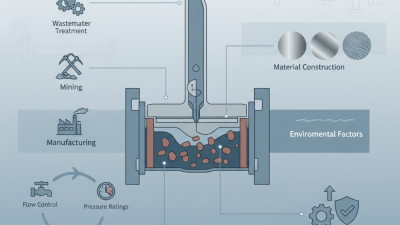
These valves consist of a blade that cuts through the medium, ensuring a tight seal. They're commonly used in wastewater treatment, mining, and food processing. Due to their design, knife gate valves can handle heavy-duty operations. However, the material of the valve and the seal type can significantly impact performance. Choosing the right materials is key for longevity and efficiency.
Tips: Consider the flow characteristics of your application. Is it constant or variable? Also, evaluate the pressure and temperature requirements. Not all knife gate valves are built equal. Inadequate sizing can lead to frequent failures.
Another factor is maintenance. Many users overlook this. Regular inspections can prevent unexpected breakdowns. Always ensure that the valve's seat and blade are in good condition. A worn-out seal can compromise the entire system, leading to costly downtimes.
How to Choose the Right Knife Gate Valve for Your Needs?
| Dimension |
Material |
Pressure Rating |
Applications |
Operating Temperature |
| 3 inches |
Carbon Steel |
150 psi |
Wastewater Treatment |
-20 to 100°C |
| 4 inches |
Stainless Steel |
300 psi |
Pulp & Paper |
-30 to 120°C |
| 6 inches |
Ductile Iron |
150 psi |
Mining |
-20 to 90°C |
| 8 inches |
PVC |
200 psi |
Chemical Processing |
0 to 60°C |
Key Factors to Consider When Selecting a Knife Gate Valve
When selecting a knife gate valve, several essential factors demand careful consideration. Understanding the specific application is crucial. Whether for slurries, dry bulk materials, or liquids, the valve must suit the media it will handle. Each material presents unique challenges, impacting valve performance. Choose a valve with materials that can withstand abrasive elements without deterioration over time.
Another vital aspect is the pressure rating. Evaluating the operating pressure ensures the valve will function correctly without compromising safety. Misjudging this can lead to leaks or even catastrophic failures. Additionally, sealing mechanism type and its robustness affect overall reliability. Some valves offer better sealing under specific conditions. Analyzing these details enhances operational efficiency.
Don’t overlook installation space and maintenance needs. A knife gate valve must fit within the design constraints of the system. Limited space can restrict valve choices, impacting performance. Maintenance accessibility is also critical. If a valve requires frequent adjustments, make sure it’s designed for easy access. Reflection on these factors ensures a more durable and effective solution.
Types of Knife Gate Valves and Their Features
Choosing the right knife gate valve involves understanding various types and their unique features. Knife gate valves are essential in handling flow control for slurries and solids. There are several types to consider, including manual, pneumatic, and electric valves. Each type has different operating methods, impacting efficiency and ease of use.
Manual knife gate valves provide straightforward functionality, often requiring less maintenance. However, operators must be physically present to operate them. Pneumatic valves offer quicker actuation. They can be faster, but they may need compressed air for operation. Electric valves add precision but require electrical connections, potentially increasing complexity.
Tips: Assess your specific needs before selecting a valve type. Consider the medium that will flow through the valve and its temperature. Installation space may limit your options. Always remember, mismatched specifications can lead to performance issues. Leaks and wear are common concerns if the wrong valve is chosen. Understanding the operational environment is crucial. Review maintenance requirements; they can affect your decision significantly.
Material Selection for Knife Gate Valves Based on Conditions
When selecting a knife gate valve, material choice hinges on specific conditions. The choice of materials directly affects performance and longevity. Common materials include stainless steel, cast iron, and PVC.
Stainless steel is strong and resistant to corrosion, making it ideal for industrial applications. In contrast, cast iron is suitable for handling heavy-duty processes but may corrode over time.
PVC is lightweight and resistant to chemicals, perfect for non-corrosive environments.
Consider the operating temperature and pressure as well. High temperatures can compromise some plastic materials. It’s essential to match the valve's material with your system’s requirements. Reflect on actual working conditions. Do you have abrasive or corrosive substances? Materials that resist wear are crucial here.
Always seek advice from experienced engineers when in doubt. They can help ensure that your choice is both practical and sustainable, avoiding unexpected failures that might occur from improper selection. This process is often overlooked, which can lead to costly repairs and downtime.
Maintenance and Troubleshooting Tips for Knife Gate Valves
Knife gate valves play a crucial role in various industrial applications, especially in handling slurries and bulk materials. Regular maintenance is vital to ensure their performance. A study from the Valve Manufacturers Association indicates that approximately 30% of valve failures stem from poor maintenance practices. To mitigate this, a routine inspection schedule is essential. Monitor the valve for leaks, unusual noises, or sluggish operation. These signs may indicate wear in components like the seat or actuator.
Troubleshooting common issues can also extend the lifespan of your knife gate valve. For instance, if the valve fails to close completely, it may be due to debris buildup. Cleaning the interior surfaces regularly can prevent this. Tightening loose bolts can improve sealing performance. Relying solely on scheduled maintenance without addressing potential faults may lead to costly downtime.
It's essential to train personnel on proper troubleshooting methods. The lack of knowledge can result in misdiagnosis of issues. According to a recent report, improper handling during maintenance contributes to 25% of operational inefficiencies. Documenting every maintenance activity can also help identify recurring problems, providing insight for better decision-making in the future.