Why Are There Different Types of Butterfly Valves?
Butterfly valve types serve various industrial needs. Their design ensures efficient flow control in pipelines. According to a recent market report, the global butterfly valve market is expected to reach $5.2 billion by 2027. This growth highlights the importance of understanding different types of butterfly valves.
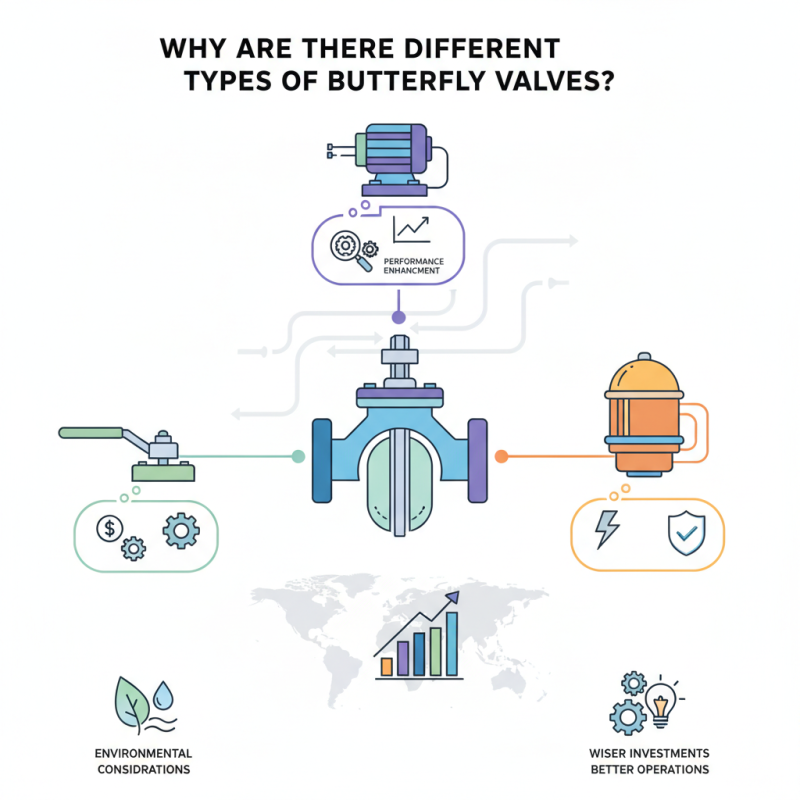
Each type has unique features. Lever-operated valves are simple and cost-effective. Electric actuators offer precision, while pneumatic options are fast and reliable. These choices can create confusion. Industries face the risk of selecting the wrong valve type. This mistake can lead to inefficiencies and increased costs in the long run.
Environmental considerations play a role in valve selection. The right butterfly valve can enhance system performance. However, not every type suits every circumstance. Engineers must weigh functionality against practicality. Understanding butterfly valve types leads to wiser investments and better operations.
Types of Butterfly Valves: An Overview
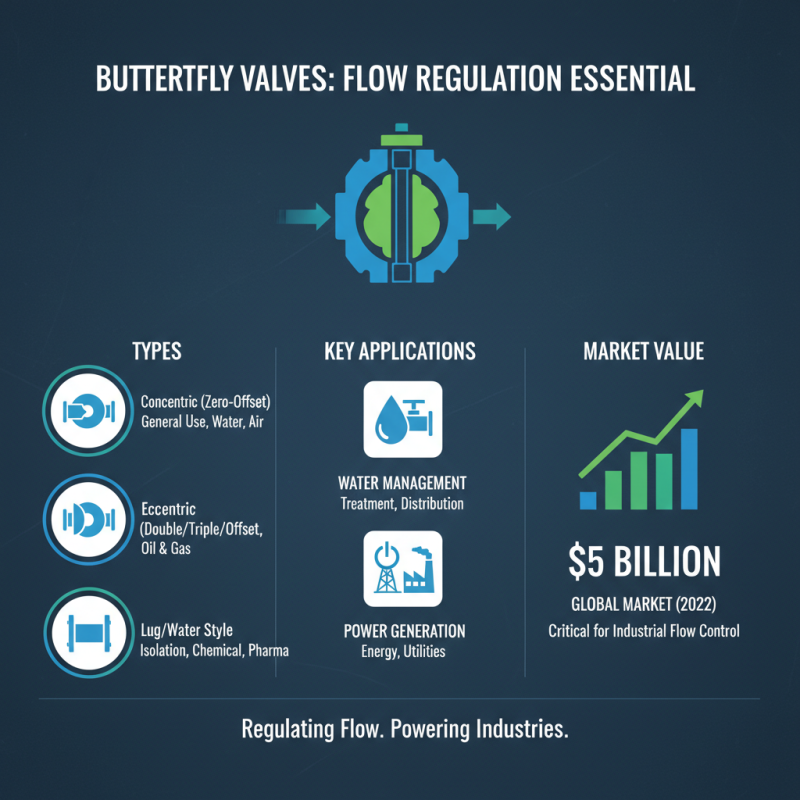
Butterfly valves come in various types, each designed for different applications. These valves are critical in regulating flow in pipelines. According to industry reports, the global butterfly valve market was valued at approximately $5 billion in 2022. This indicates their significant role in sectors like water management, oil and gas, and power generation.
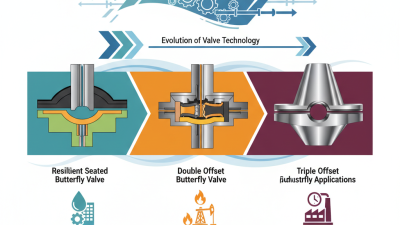
The two main types of butterfly valves are resilient-seated and metal-seated. Resilient-seated valves are ideal for low-pressure applications. They feature a rubber lining that helps in sealing. Metal-seated valves, on the other hand, can handle higher temperatures and are suited for harsh conditions. Choices in materials and design can vary widely, which adds to the complexity of selecting the right valve.
Each type has its advantages and shortcomings. For instance, while a resilient-seated valve offers excellent sealing, it may wear out quicker than a metal-seated valve in rough conditions. Users often face challenges in balancing cost and performance. Selecting an appropriate type becomes crucial for achieving efficiency in systems. The decision should be informed by the specific operational demands and environmental factors.
Key Components That Differentiate Butterfly Valves
Butterfly valves are essential in controlling fluid flow in various industries. Their design includes several key components that make them distinct. The disc, body, and actuator are fundamental to their function. The disc, typically a circular plate, rotates to open or close the valve. The material of the disc often varies based on the application, impacting performance and durability.
Actuators play a vital role as well. They can be manual or automated, affecting how quickly and efficiently the valve operates. According to a market report, the automated butterfly valve market is expected to grow by over 25% in the next five years. This growth highlights the trend towards automation in various sectors.
Tips: Consider the specific application when selecting a butterfly valve. Corrosive fluids may require special materials. Also, sizing the valve correctly is crucial. A valve that's too small may not handle flow rate, while one that's too large can cause inefficient operation. Don't overlook these details; they can greatly influence performance.
Applications of Various Butterfly Valve Types
Butterfly valves come in various types, each designed for specific applications. The resilient-seated butterfly valve is common in water systems. It efficiently handles low-pressure applications. This type ensures a tight shut-off, making it suitable for water supply and drainage systems.
Another type is the high-performance butterfly valve. These valves are ideal for challenging environments. They resist heat and pressure fluctuations. Industries like oil and gas often use them. Their design allows for better flow control, which is crucial in such demanding settings.
In contrast, the triple-offset butterfly valve is designed for high-pressure and high-temperature situations. They excel in steam and chemical processes. However, they require careful installation. Improper alignment can lead to premature wear and failure. Understanding the application of each type is vital for optimal performance. The right choice can lead to significant cost savings and efficiency improvements.
Advantages and Disadvantages of Each Butterfly Valve Type
Different types of butterfly valves offer unique advantages and disadvantages. For instance, the concentric butterfly valve is known for its simplicity. It features a disc that rotates around a shaft. This design leads to lower manufacturing costs. According to industry reports, concentric valves account for about 45% of the market share. They are lightweight and easy to install. However, they may not handle high-pressure applications well.
Then there are eccentric butterfly valves, both high and low. These valves are better suited for heavy-duty applications. They can manage higher pressures and flow rates. However, their complexity leads to increased costs. Reports indicate that they make up roughly 30% of the market. Users may face installation challenges. Over time, wear and tear can impact performance. Frequent maintenance may be necessary, which can be a drawback.
Lastly, triple-offset butterfly valves bring innovation to the table. They provide excellent performance in severe conditions. Yet, their price point can be a deterrent. Some users find that the installation process is not straightforward. Reflecting on these options is essential for decision-making. Each type has its pros and cons. Users must match valve types with specific needs.
Comparison of Different Types of Butterfly Valves
Factors Influencing the Choice of Butterfly Valve Type
When choosing a butterfly valve, several factors come into play.
Flow characteristics,
pressure rating,
and material compatibility are crucial.
According to recent industry data, around 40% of valve failures can be attributed to improper selection for specific applications.
This highlights the need for careful consideration.
For instance, the design of the valve affects flow efficiency. A high-performance butterfly valve can provide a
20% increase in flow capacity compared to standard options.
Moreover, the valve's material must suit the media it handles. Corrosive substances might require special coatings.
Reports indicate that inadequate material selection results in a
15% increase in maintenance costs.
Installation environment greatly influences the choice as well. Extreme temperatures or vibrations can impact valve operation.
In some cases, users report a 30% drop in operational lifespan due to neglecting environmental factors.
These variations emphasize the complexity in selecting the right butterfly valve type, reinforcing the need for a thorough evaluation process.