10 Essential Tips for Choosing the Right Flow Control Valve
Choosing the right flow control valve can significantly impact system performance. A suitable valve ensures efficient fluid management in various applications. Yet, making a decision can be overwhelming due to the multitude of options available today.
Consider the specific requirements of your system. Different valves serve distinct purposes, such as regulating flow and maintaining pressure. The right valve can enhance efficiency, while the wrong choice might lead to leaks or pressure drops.
Take time to evaluate the materials, size, and compatibility with existing systems. Each aspect plays a crucial role in the valve's overall functionality. You might find that a seemingly minor detail could cause major issues later. Engaging with experts in the field can provide valuable insights. Their experience can guide you toward the most reliable options, ensuring a successful installation.
Understanding the Basics of Flow Control Valves
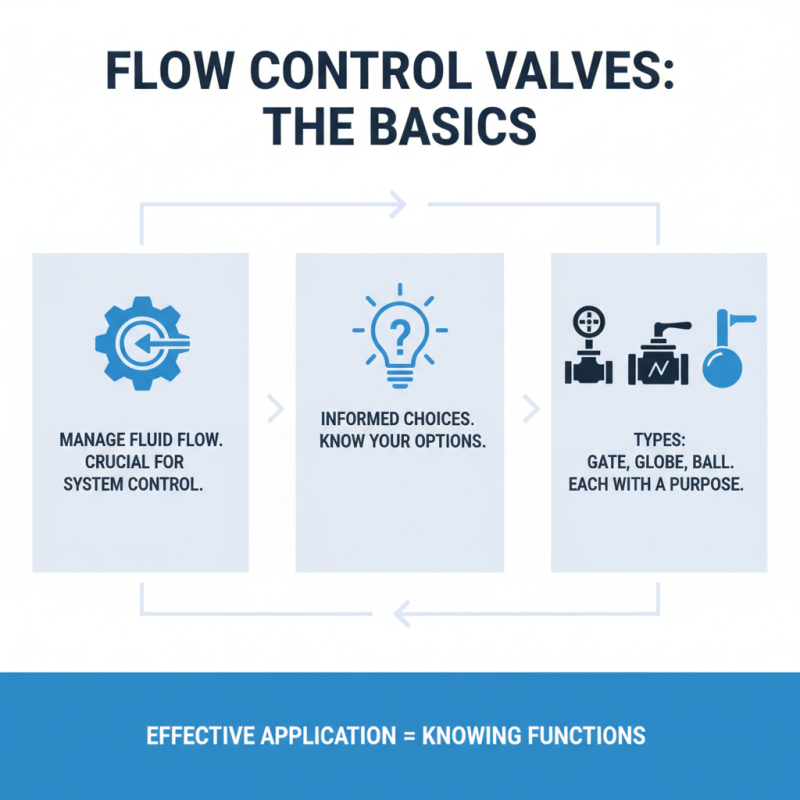
Flow control valves are crucial in managing fluid flow in various systems. Understanding their basics helps in making informed choices. These valves come in different types, including gate, globe, and ball valves. Each type serves a specific purpose, so knowing their functions is key for effective application.
When selecting a flow control valve, consider the fluid characteristics. Is it viscous or volatile? Does it contain solids? Some valves handle specific conditions better than others. Material compatibility also plays a significant role in performance. Corrosion-resistant materials might be necessary for certain fluids. A lack of proper assessment can lead to costly failures down the line.
Another factor to consider is the sizing of the valve. An oversized valve may lead to inefficient flow control. Conversely, an undersized valve can cause pressure drops. Both scenarios require careful analysis. Taking the time to learn about these factors can prevent headaches in the future. However, it’s easy to overlook these details in the rush to implement a solution. Being diligent ensures a reliable and efficient system.
Identifying the Specific Application Requirements
Choosing the right flow control valve starts with understanding your specific application requirements. Different systems demand unique specifications, such as pressure, temperature, and flow rate. For instance, a high-pressure system may need a valve made from durable materials to withstand intense conditions. Ignoring these details can lead to inefficiency or failure.
Another crucial tip is to consider the fluid characteristics. Is the fluid corrosive or viscous? These factors impact the suitable valve type. For example, a corrosive fluid demands materials resistant to degradation. Make sure to evaluate the environment thoroughly. Sometimes, the ideal choice might not align with the first option you find.
Finally, don't underestimate the importance of maintenance requirements. Some valves may need regular servicing to function optimally. Balancing performance and upkeep is key. Rushing this decision can cause costly delays later on. Take the time to assess each variable. The right fit will ensure long-term success in your system.
Evaluating Different Valve Types and Designs
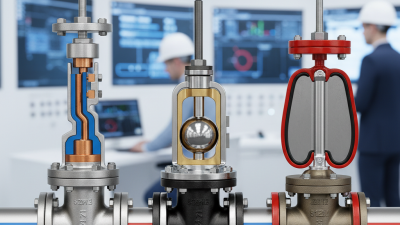
When choosing flow control valves, understanding different types and designs is crucial. Gate, globe, ball, and butterfly valves all serve specific functions. Each design impacts flow rate, pressure drop, and system efficiency. The materials used, such as stainless steel or plastic, also determine durability and suitability for various environments.
Gate valves are excellent for on/off control, yet they can be slow to respond. Globe valves offer better throttling capabilities but may create higher pressure drops. Meanwhile, ball valves provide quick shut-off and minimal resistance. It's essential to consider these characteristics based on your system's requirements. Adapting a valve design to suit your flow needs can lead to improved performance.
Choosing the right valve isn't straightforward. Misjudging the application can lead to inefficiencies or failures. Overlooking factors like fluid type, temperature, and pressure can get you in trouble. Always evaluate your specific conditions and requirements. It is often said that a good valve choice can make or break a system. Balancing functionality with reliability is key.
10 Essential Tips for Choosing the Right Flow Control Valve
| Tip Number |
Tip Description |
Recommended Valve Type |
Common Applications |
| 1 |
Determine the flow needs of the system. |
Throttle Valves |
Heating systems, water flow regulation |
| 2 |
Consider the size and pressure ratings. |
Ball Valves |
Oil and gas pipelines |
| 3 |
Evaluate the flow media characteristics. |
Butterfly Valves |
Water treatment facilities |
| 4 |
Assess the temperature and viscosity. |
Globe Valves |
Steam systems |
| 5 |
Examine the control requirements. |
Solenoid Valves |
Irrigation systems |
| 6 |
Consider maintenance and serviceability. |
Check Valves |
Drainage systems |
| 7 |
Select a valve material suitable for the application. |
Stainless Steel Valves |
Chemical processing |
| 8 |
Ensure compatibility with existing systems. |
Pressure Relief Valves |
Compressed air systems |
| 9 |
Review the actuator options for control. |
Pneumatic Valves |
Production lines |
| 10 |
Consult with experts if needed. |
Electric Actuated Valves |
HVAC systems |
Assessing Materials and Durability for Long-Term Use
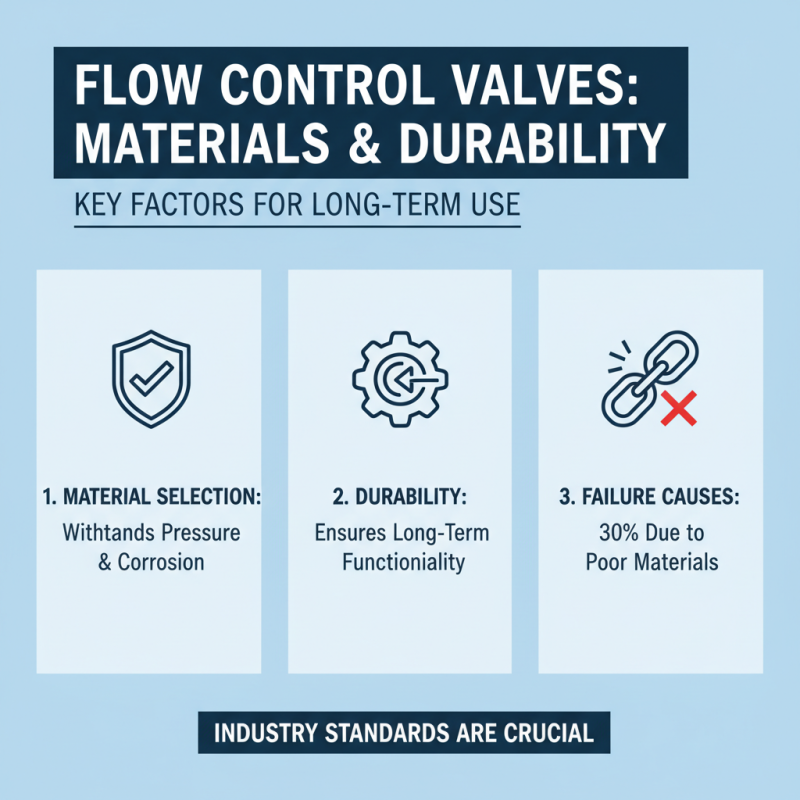
Choosing the right flow control valve often hinges on material selection and durability. According to industry standards, valves must withstand pressure fluctuations and corrosive environments. This is crucial for long-term functionality. In fact, studies show that nearly 30% of valve failures stem from inadequate material properties.
When assessing materials, consider the valve's operating conditions. Common materials include stainless steel, bronze, and thermoplastics. Each material offers varying levels of resistance to corrosion and mechanical wear. For instance, stainless steel is often preferred for its high tensile strength and resistance to rust. However, it can be cost-prohibitive. Balancing cost and performance is key.
Durability testing should involve real-world simulations. A reliable valve must endure factors like temperature extremes and constant pressure changes. It’s worth noting that even top-rated valves can fail without stringent quality checks. Valve maintenance should not be overlooked. Regular inspections can prevent costly downtime. Thus, understanding materials and durability is essential for smart purchasing decisions.
Considering Size and Pressure Ratings for Optimal Performance
Choosing the right flow control valve requires careful consideration of size and pressure ratings. These factors directly influence the system's performance. Inadequate sizing can lead to inefficient operation. Too large or too small can cause issues like cavitation or inadequate flow.
One essential tip is to assess the flow requirements of your system. Calculate the necessary flow rate and match it with the valve's specifications. Understanding the pressure ratings is crucial as well. Select a valve that can handle the maximum pressure in the system to avoid failures.
While focusing on size and pressure ratings, don't overlook the material compatibility. Ensure the valve's materials can withstand the fluid type and temperature. This attention to detail can prevent leakage or corrosion. Consider the operational environment too; external factors can affect overall durability. Always think critically about your choices to optimize performance.
Pressure Ratings of Flow Control Valves