2026 How to Choose the Right Hydraulic Actuator for Your Needs?
When selecting a hydraulic actuator, understanding your specific needs is crucial. Hydraulic actuators play a significant role in various applications, from industrial machinery to automation systems. These devices convert hydraulic energy into mechanical motion, enabling precise control and powerful movement. Given the diverse types available, it can be overwhelming to make a choice.
Factors such as load capacity, speed, and application type should guide your decision. Each hydraulic actuator has its strengths and weaknesses. You might find that a linear actuator works better for your project, while a rotary actuator is essential for others. It is essential to evaluate these aspects carefully. Sometimes, even experienced engineers overlook certain details, leading to suboptimal performance.
Reliability is another critical factor. A mismatch in actuator specifications can result in system failures. This not only affects productivity but can also incur additional costs. Therefore, educating yourself and seeking expert advice when needed can prevent common mistakes. Remember, the right hydraulic actuator can enhance efficiency and effectiveness in your operations.
Understanding Hydraulic Actuators and Their Applications
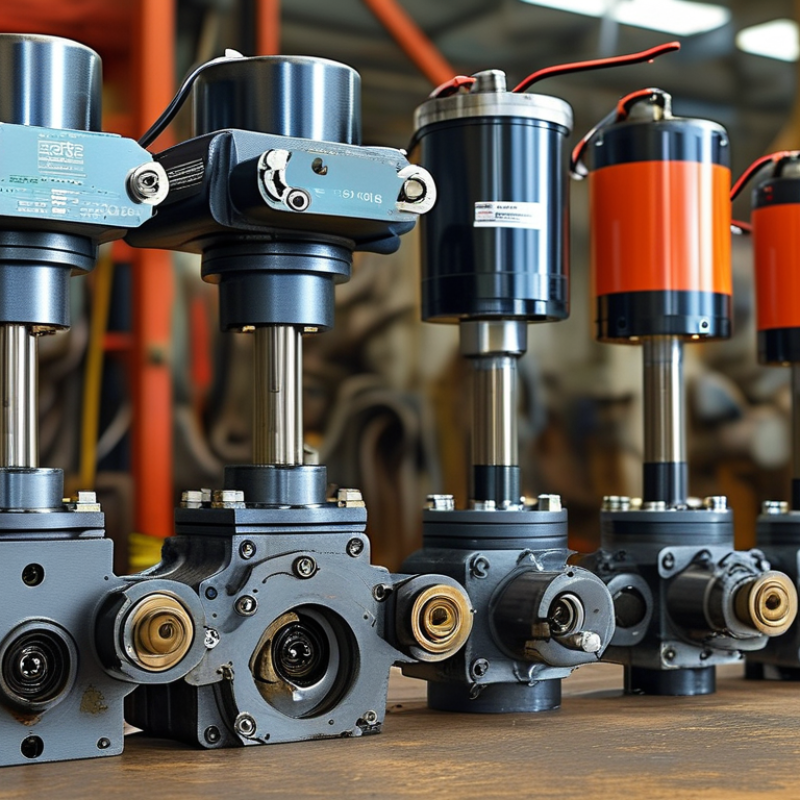
Hydraulic actuators are vital components in many industrial applications. They convert hydraulic energy into mechanical motion. This technology is essential for tasks that require precision and power. Understanding their functionality is key to making informed choices.
These actuators come in various types, each designed for specific tasks. For example, linear actuators provide straight-line motion, while rotary actuators offer rotational force. Engineers often select actuators based on load capacity and speed. It’s helpful to evaluate your project requirements before making a decision. Consider not just the power, but also the working environment. Temperature and potential contaminants can impact performance.
Many users overlook the importance of maintenance. Regular checks can prevent failures and extend actuator life. If an actuator malfunctions, the whole system can be affected. Proper installation is equally crucial; a small error can lead to significant issues down the line. Always document the selection and installation process for future reference. This careful approach fosters reliability in hydraulic systems.
Key Factors to Consider When Selecting a Hydraulic Actuator
Choosing the right hydraulic actuator requires careful consideration of several key factors. You need to assess the load capacity of the actuator. This should align with the weight and size of the application in which it will be used. Overloading can lead to mechanical failure. Therefore, ensure the actuator’s capacity meets or exceeds your requirements.
Next, think about the stroke length. This defines how far the actuator will move. Depending on your application, a longer or shorter stroke may be necessary. Consider the working environment too. Factors like temperature, humidity, and exposure to chemicals will impact actuator performance. Choose materials that withstand these conditions.
Ultimately, reliability matters. Look for actuators known for their durability. Read reviews and seek expert opinions to gauge reliability. However, even the most reliable options have limitations. Regular maintenance is essential to prevent issues. Don’t overlook this aspect, as it can extend the actuator's lifespan significantly.
Types of Hydraulic Actuators and Their Features
When selecting a hydraulic actuator, understanding the available types is crucial. Hydraulic actuators can be classified primarily into linear and rotary types. Linear actuators convert hydraulic pressure into straight-line motion. In contrast, rotary actuators turn hydraulic energy into rotational movement.
Linear hydraulic actuators are widely used in manufacturing and construction. They can achieve high force output with precise control. According to industry reports, the global market for linear actuators is expected to reach $8.2 billion by 2025, reflecting a compound annual growth rate of 5.6%. Rotary actuators, on the other hand, are ideal for applications requiring torque, such as robotics and automation. They are compact and can deliver high performance in limited spaces.
**Tip:** Consider the load requirements when choosing an actuator type. If high precision and speed are essential for your project, a linear actuator might be more suitable. Evaluating the actuator’s mounting arrangements is also vital. Flaws in installation can lead to increased wear and decreased efficiency, which can compromise system performance.
Research indicates that the choice of hydraulic fluids can also impact actuator efficiency. Ensure compatibility to avoid issues. In some situations, users overlook fluid cleanliness, which can lead to failure. Consistent maintenance is essential for optimal performance.
2026 How to Choose the Right Hydraulic Actuator for Your Needs?
| Type of Actuator |
Max Force (N) |
Speed (m/s) |
Stroke Length (mm) |
Operating Pressure (bar) |
Applications |
| Double-Acting Cylinders |
5000 |
0.3 |
100 |
200 |
Industrial machinery |
| Single-Acting Cylinders |
3000 |
0.1 |
150 |
120 |
Construction equipment |
| Hydraulic Motors |
7000 |
0.5 |
90 |
250 |
Driving applications |
| Hydraulic Lift Cylinders |
8000 |
0.4 |
200 |
300 |
Elevators and cranes |
| Hydraulic Grippers |
2000 |
0.2 |
50 |
100 |
Robotics and automation |
Evaluating Performance Specifications for Your Hydraulic Needs
When selecting a hydraulic actuator, evaluating performance specifications is crucial. Consider the force output required for your application. This includes understanding the load dynamics involved. Knowledge about the application's operating environment may also influence your decision. For instance, extreme temperatures or exposure to contamination can affect actuator performance.
Fluid compatibility is another significant aspect. Different hydraulic fluids can interact with materials inside actuators. Selecting the right materials is vital to ensure durability and function. Additionally, pay attention to the speed and cycle time requirements. Some applications may demand rapid response times, while others can operate at slower speeds.
Assessing these parameters will help narrow down suitable options. Reflecting on your system’s needs is important. Each project has unique specifications that can complicate the decision-making process. Understanding these nuances will help in choosing the right actuator. Rigorous testing can reveal performance issues that may not be initially apparent. Prioritize reliability and adaptability in your selection process to minimize future complications.
Maintenance and Compatibility Considerations for Hydraulic Actuators
When choosing a hydraulic actuator, maintenance is key. Regular checks can prevent unexpected failures. Inspect seals and joints often. Look for signs of wear or leaks. A small issue can escalate quickly if ignored.
Compatibility is another crucial aspect. Ensure the actuator matches your system's requirements. Different systems may have unique pressures and flow rates. Using incompatible components could lead to inefficiency or damage. Always consult technical specifications.
Consider the operating environment too. Factors like temperature and exposure to chemicals can affect performance. Actuators must be durable enough to handle these conditions. It's crucial to reflect on these points for optimal operation.
2026 Hydraulic Actuator Selection Criteria
This bar chart illustrates the typical specifications of hydraulic actuators, focusing on critical selection criteria such as force, speed, stroke length, power consumption, and weight. These factors are essential for determining the appropriate hydraulic actuator for specific applications.