What is a Repair Clamp and How Can It Benefit Your Projects?
A Repair Clamp is a versatile tool designed to address a variety of piping issues. Its primary function is to repair leaks and reinforce damaged sections of pipes. When a pipeline faces stress or wear, a Repair Clamp can quickly provide a solution. This simple device is often used in construction and plumbing projects.
Many professionals trust Repair Clamps for their reliability. Installing a Repair Clamp is usually straightforward, reducing downtime. This makes them an excellent choice for urgent repairs. Workers appreciate how these clamps can extend the life of piping systems. However, proper installation is crucial. A poorly positioned clamp might not hold effectively, leading to further complications.
Investing in quality Repair Clamps matters. Not all products are created equally. Research is essential to find reputable brands that offer durable solutions. Being aware of the potential pitfalls can lead to better project outcomes. By recognizing the benefits and limitations of Repair Clamps, you can make knowledgeable decisions for your projects.
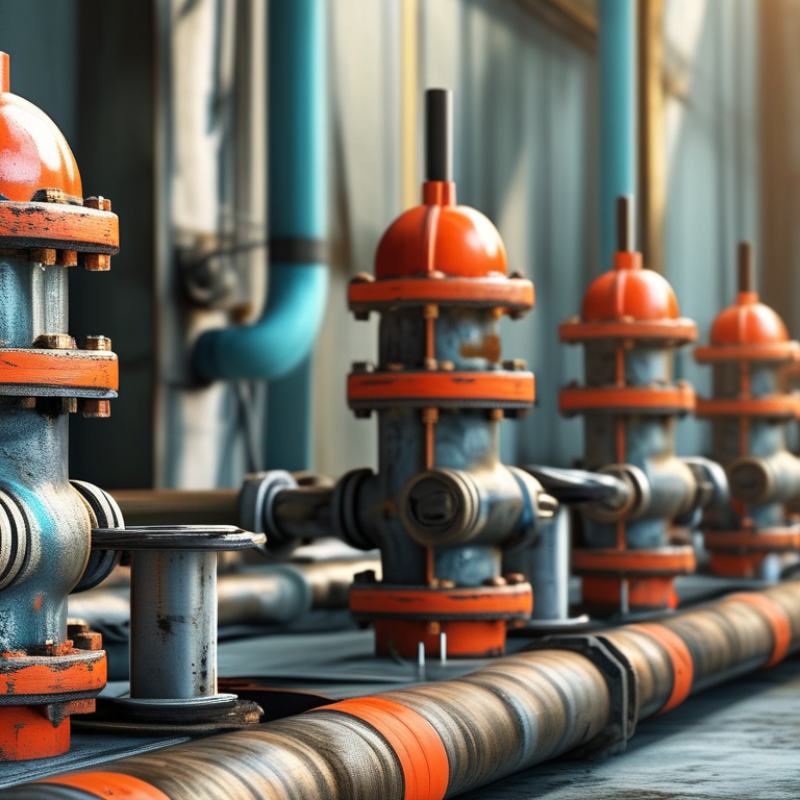
What is a Repair Clamp and Its Purpose in Various Applications
Repair clamps are essential tools in various projects across different industries. They serve a primary purpose: to secure and repair pipes, hoses, and other materials. When a pipe leaks or a hose sustains damage, repair clamps offer a quick and effective solution. They can be used in plumbing, automotive applications, and even construction settings. Their versatility makes them a go-to choice for many professionals.
One significant advantage of repair clamps is their ease of installation. Users can often apply them without specialized tools or extensive training. This can save valuable time during a project. However, it is crucial to ensure the right size and type of clamp is used for the job. Each application may require specific considerations, such as pressure ratings and material compatibility.
In some cases, repair clamps might not provide a long-term solution. They can be a temporary fix, which may lead to repeated issues if not addressed properly. Thus, while they are valuable for immediate repairs, relying solely on them may result in further complications down the line. A thoughtful assessment of the overall application is necessary for lasting success.
Key Components and Materials Used in Repair Clamps
Repair clamps are essential tools in various industries, particularly in plumbing and pipeline repairs. These clamps are specifically designed to fix leaks and reinforce damaged pipes. The primary components of repair clamps include the body, sealing elements, and tensioning mechanisms. Advanced materials like stainless steel and reinforced plastics are commonly used because they offer durability and resistance to corrosion. In fact, studies indicate that stainless steel clamps can last up to 30% longer than traditional alternatives.
The sealing elements play a crucial role in ensuring an effective repair. Rubber gaskets are prevalent due to their flexibility and strong sealing properties. Research has shown that the right sealing material can reduce the likelihood of leaks by as much as 25%. Tensioning mechanisms, often made from high-strength alloy steel, enhance the clamp's ability to withstand pressure, making them reliable under various operating conditions.
While repair clamps are widely used, there are limitations and challenges to consider. Installation errors can lead to failures; improper tensioning might compromise the seal. Training for workers is vital to ensure optimal performance. Moreover, not all repair clamps suit every type of material, which can complicate project decisions. Understanding these components and their interactions is key in maximizing the benefits of repair clamps in any project.
How to Properly Install a Repair Clamp for Optimal Performance
Repair clamps are essential tools in civil engineering and plumbing. They provide a quick and efficient solution for pipe damage. When installed correctly, they can restore the integrity of the piping system. Data from the American Society of Civil Engineers indicates that improper installation can lead to failures, costing projects 30% more in repairs. Proper installation is key for optimal performance.
To install a repair clamp effectively, start by cleaning the damaged area. Remove any rust, dirt, or debris, ensuring a secure fit. Position the clamp around the pipe, aligning it with the damage. Use a torque wrench to tighten it evenly. According to industry standards, the torque should match the manufacturer's specifications to avoid over-tightening. This can lead to further damage or leaks. Ensure that the clamp is not misaligned; otherwise, it may not perform as intended.
Consistency in installation is crucial. Regular training sessions for workers can enhance their skills. Reports show that 25% of installation errors stem from lack of training. Highlight the importance of quality materials. Use clamps designed specifically for the type of pipe material. This oversight can affect the longevity and reliability of the repair. Keeping these factors in mind will ultimately lead to more successful project outcomes.
Advantages of Using Repair Clamps in Repair and Maintenance Projects
Repair clamps are essential tools in various repair and maintenance projects. These devices provide quick and effective solutions for leaks and damage in pipes. According to industry studies, over 40% of plumbing issues stem from joint failures. Using a repair clamp can significantly reduce downtime and repair costs. They can be applied to any type of pipe material, making them versatile in a range of situations.
The benefits of repair clamps extend beyond immediate fixes. For example, they often require minimal tools and training for installation. The ease of use can help inexperienced workers tackle urgent repairs. A report from the Plumbing and Heating Contractors Association shows that repair clamps can save technicians up to 50% of repair time compared to traditional methods. Despite their advantages, improper installation can lead to issues. Evaluating the condition of the pipe before applying a clamp is crucial.
Additionally, repair clamps can also contribute to long-term maintenance objectives. Regular use can help identify recurring issues in a system. Monitoring these repairs can inform future upgrades and replacements. This proactive approach helps in budgeting and resource allocation. In summary, repair clamps provide a practical approach to efficiently managing pipe repairs while highlighting areas for improvement in maintenance practices.
Benefits of Using Repair Clamps in Projects
Common Use Cases and Industries That Benefit from Repair Clamps
Repair clamps are essential tools in various industries. These devices provide a quick and effective solution for fixing leaks in pipes, hoses, and other fittings. In the plumbing sector, for example, the market size for repair clamps is projected to reach $1.2 billion by 2025. This significant growth indicates their vital role in maintaining infrastructure.
Construction companies also benefit from repair clamps. These tools minimize downtime on work sites. A study revealed that unexpected leaks can delay projects by 15% on average. Using repair clamps can shorten repair times, ensuring projects stay on track. In the automotive industry, repair clamps are crucial for exhaust systems and fuel lines. They help maintain performance and prevent further damage, which means better safety for drivers.
There are challenges with using repair clamps that need addressing. Misapplication can lead to failures. It is critical to ensure proper sizing and fitting to prevent leaks from reoccurring. Frequent inspection and maintenance help mitigate these risks. A report highlighted that 25% of repair clamp failures stem from improper installation. Thus, training and awareness in proper use are essential for maximizing benefits.
What is a Repair Clamp and How Can It Benefit Your Projects?
| Use Case | Industry | Benefits |
| Pipe Leak Repair | Construction | Quick and effective solution to minimize water damage |
| Joint Sealing | Municipal | Reduces the risk of leaks at joints |
| Duct Repair | HVAC | Enhances efficiency by ensuring airtight seals |
| Leak Prevention | Agriculture | Prevents costly water loss in irrigation systems |
| Chemical Line Repair | Chemical Processing | Safeguards against spills and leaks, ensuring safety |
| Water Main Repair | Public Utilities | Restores service quickly, minimizing disruption |