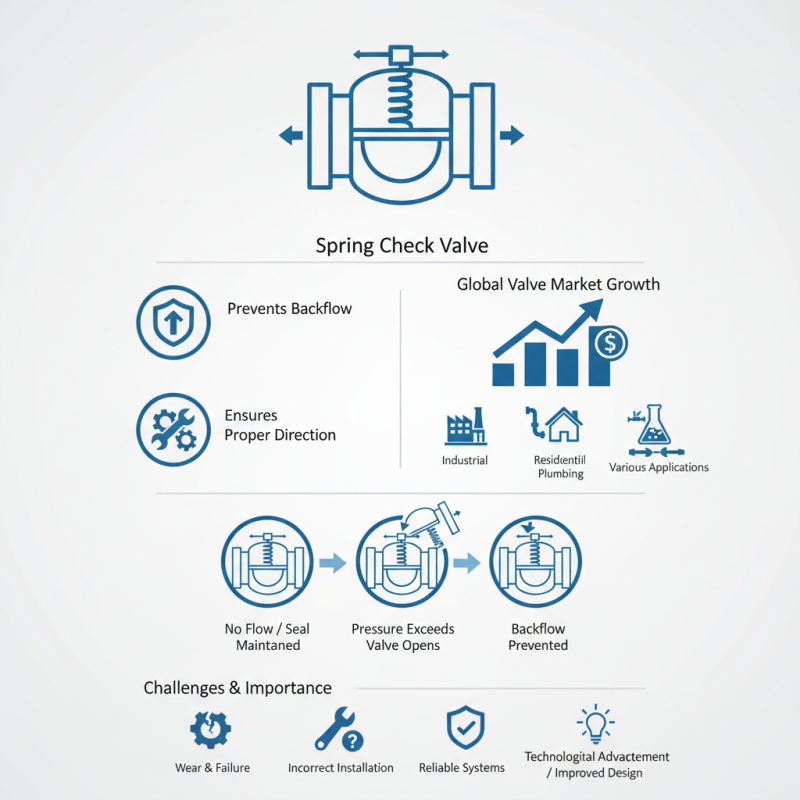
The spring check valve is a critical component in fluid systems. It prevents backflow and ensures proper flow direction. According to the Global Market Insights report, the global valve market is projected to reach $150 billion by 2026, with check valves playing a significant role. This indicates the importance of devices like the spring check valve in various applications, from industrial processes to residential plumbing.
These valves operate using a simple yet effective mechanism. The spring action helps maintain a seal when fluid is not flowing. When fluid pressure exceeds the spring force, the valve opens. However, as systems evolve, some challenges arise. Issues with wear and failure rates can compromise performance. Additionally, incorrect installation can lead to malfunction, highlighting the need for skilled professionals in valve selection and maintenance.
Understanding how a spring check valve works is vital for engineers and technicians. It underscores the importance of choosing the right component for specific applications. Data from industry assessments emphasize the need for reliable systems to minimize downtime and ensure safety. As technology advances, the design and functionality of these valves will likely improve, addressing previous limitations and reinforcing their essential role in fluid management.
A spring check valve is a crucial component in various fluid systems. Its main purpose is to allow fluid flow in one direction while preventing backflow. This function helps maintain system efficiency and safety. By using a spring mechanism, the valve automatically closes when fluid attempts to flow backward. This action prevents potential damage to pumps and other equipment.
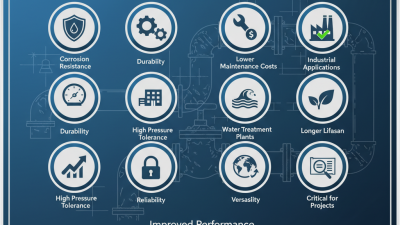
In industrial applications, spring check valves are vital. According to the Flow Control Magazine, they help reduce maintenance costs by 15% in piping systems. They play an essential role in water treatment plants, HVAC systems, and many other settings. Their reliability ensures that processes run smoothly without interruptions caused by backflow.
However, not all spring check valves are created equal. Their performance can vary based on design and materials. Regular inspections are necessary to ensure optimal function. A neglected valve might not seal properly, leading to leaks. In some cases, this oversight could escalate into significant operational issues. Awareness and proactive measures are key to leveraging the benefits of these valves effectively.
| Dimension | Value |
|---|---|
| Type | Spring Check Valve |
| Function | Prevent Backflow |
| Operating Mechanism | Spring Closure upon Backpressure |
| Material | Brass, Stainless Steel, PVC |
| Common Applications | Pumps, HVAC, Water Treatment |
| Advantages | Compact Design, Low Maintenance |
| Disadvantages | Pressure Drop, Limited Size Options |
| Installation Orientation | Vertical, Horizontal |
| Cost Range | $10 - $300 |
A spring check valve is essential in fluid systems. It prevents backflow while allowing liquid to flow in one direction. This simple yet effective device relies on specific components to function properly.
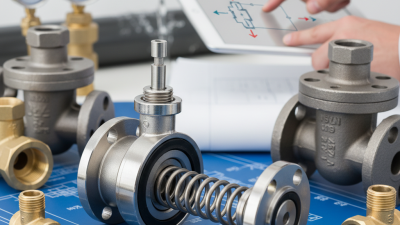
The main component is the valve body. It houses the internal mechanisms and allows fluid to flow smoothly. Inside, a disc is often employed, acting as a barrier against reverse flow. This disc is pushed open by the forward-moving fluid. When the fluid stops, a spring closes the disc, sealing the passage. The spring's tension must be precise; too much tension can impede flow, while too little might cause leakage.
Another critical part is the inlet and outlet ports. These connections ensure the valve integrates well into the piping system. The dimensions of these ports impact flow rate significantly. A misunderstanding in sizing can lead to inefficiencies. Designers must pay close attention to the entire assembly to ensure reliable performance. Each component plays a crucial role in maintaining system integrity.
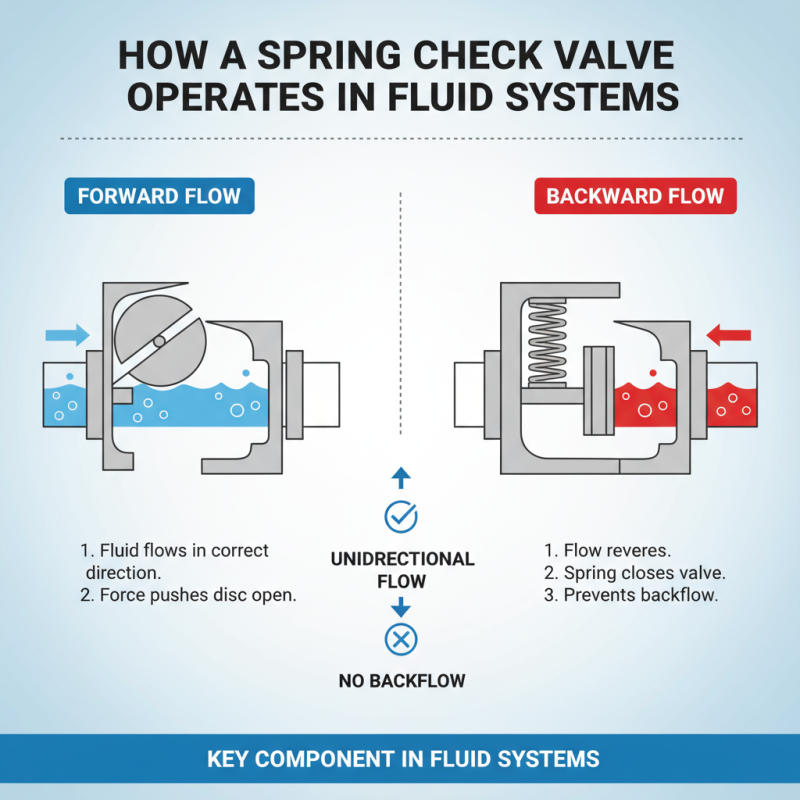
A spring check valve is a vital component in fluid systems. It ensures the unidirectional flow of liquids and gases, preventing backflow. The operation is simple; when fluid flows in the correct direction, the force pushes the valve’s disc open. As the flow reverses, the spring closes the valve, stopping any backward movement.
In applications such as plumbing or hydraulic systems, maintaining a steady flow is crucial. The spring mechanism allows the valve to react quickly to changes in pressure. This responsiveness minimizes the risk of contamination and equipment damage. A well-functioning spring check valve contributes to system efficiency.
Tips: Regular maintenance of your spring check valve is essential. Check for wear and tear, ensuring the spring retains its tension. A worn valve can lead to leaks. Additionally, selecting the right material based on your fluid type can enhance performance.
Flow dynamics can be tricky. In some cases, improper installation can cause malfunction. Take time to inspect the orientation and mounting. A small oversight can lead to significant problems. Remember, even minor adjustments can make a big difference in the effectiveness of your fluid system.
Spring check valves are essential components in fluid systems. They allow flow in one direction while preventing backflow. This mechanism is vital in many applications, from water supply to chemical processing. Their reliability comes from a simple design, featuring a spring-loaded disc that responds to pressure changes.
One significant advantage of spring check valves is their ability to prevent system damage. Backflow can cause contamination or pressure surges. With a spring check valve, systems remain protected. Additionally, they require less maintenance compared to other types. The straightforward design means fewer parts can wear out or fail. However, selecting the correct size and spring tension is crucial. An improperly sized valve may not function effectively, leading to unexpected challenges.
Their versatility also extends to various industries. In HVAC systems, spring check valves help maintain efficient airflow. In water distribution, they prevent reverse flow, ensuring clean supply. Despite these benefits, user awareness is essential. Operators must regularly inspect and ensure proper functioning. Neglecting maintenance can lead to costly system repairs later on.
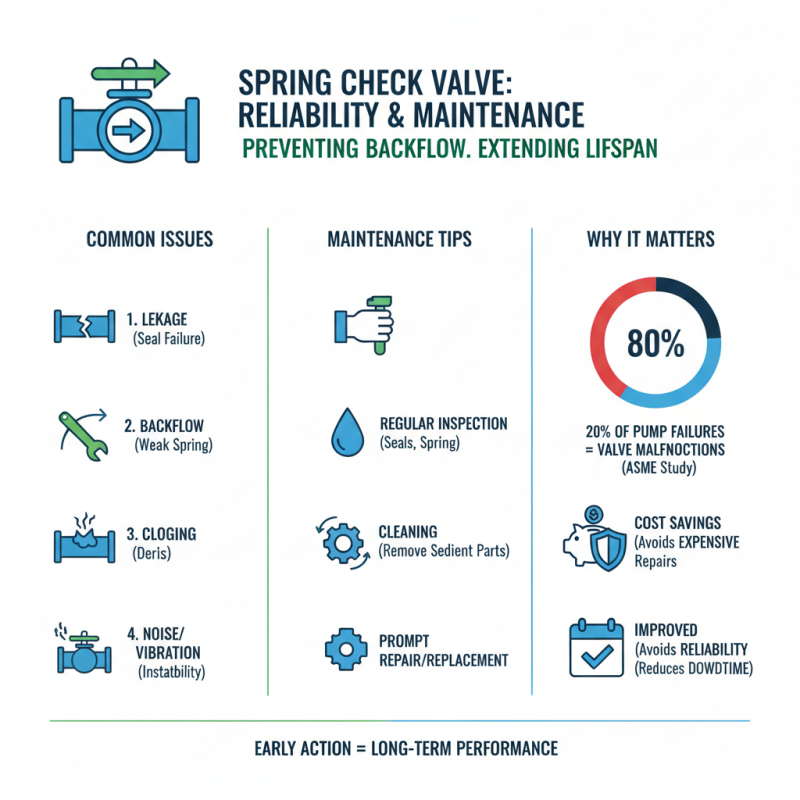
Spring check valves play a crucial role in fluid systems by preventing backflow. Regular maintenance can significantly enhance their lifespan and reliability. A study from the American Society of Mechanical Engineers highlights that nearly 20% of pump failures are linked to valve malfunctions. Addressing issues early can prevent costly repairs down the line.
Common problems with spring check valves include leaks and improper closure. Wear and tear on the spring can lead to inadequate sealing, causing fluid leakage. Routine inspections are essential. Look for signs of corrosion or wear on the valve components. Regular cleaning of the valve can also help maintain its functionality.
Monitoring performance is vital. If the valve produces unusual noises or shows erratic flow patterns, it might require immediate attention. Consider implementing a maintenance schedule every six months. Documenting findings can also help identify trends or recurring issues. This data-driven approach helps ensure the system operates efficiently and reduces downtime.