What Is Strength Equipment A Global Buyers Guide?
Buying Strength Equipment across borders is not simply a matter of comparing prices. It requires practical judgment, technical knowledge, and careful supplier verification. A power rack may look sturdy online, yet its steel thickness, weld quality, and floor anchoring options can differ greatly. The same applies to benches, cable machines, dumbbells, and commercial plate-loaded systems.
This global buyers guide explains how to assess Strength Equipment before placing an order. It considers frame construction, maximum user loads, adjustment points, maintenance access, and replacement-part availability. Real training environments matter. A busy gym needs equipment that tolerates repeated use, sweat, impact, and rushed adjustments. A home buyer may value compact dimensions, quiet movement, and simple installation instead.
Standards and import requirements vary by country. Buyers should confirm electrical specifications, labeling rules, safety documentation, and local warranty support. Product certificates deserve attention, but certificates alone do not prove long-term performance. Ask for test reports, clear manuals, factory images, and references from comparable facilities. Visit the factory when possible. It can reveal more than a polished catalog.
Shipping is another practical concern. A machine arriving with damaged upholstery or missing bolts creates expensive delays. Check packaging methods, delivery terms, insurance responsibilities, and technician support before payment. Some sellers offer attractive prices but weak after-sales service. That weakness becomes visible later.
No guide can remove every risk. Equipment choices depend on budget, facility size, user ability, and training goals. Even experienced buyers sometimes underestimate installation space. Careful questions usually prevent costly assumptions. This article offers a grounded framework for making safer, more informed purchasing decisions worldwide.
What Is Strength Equipment and How Does It Work?
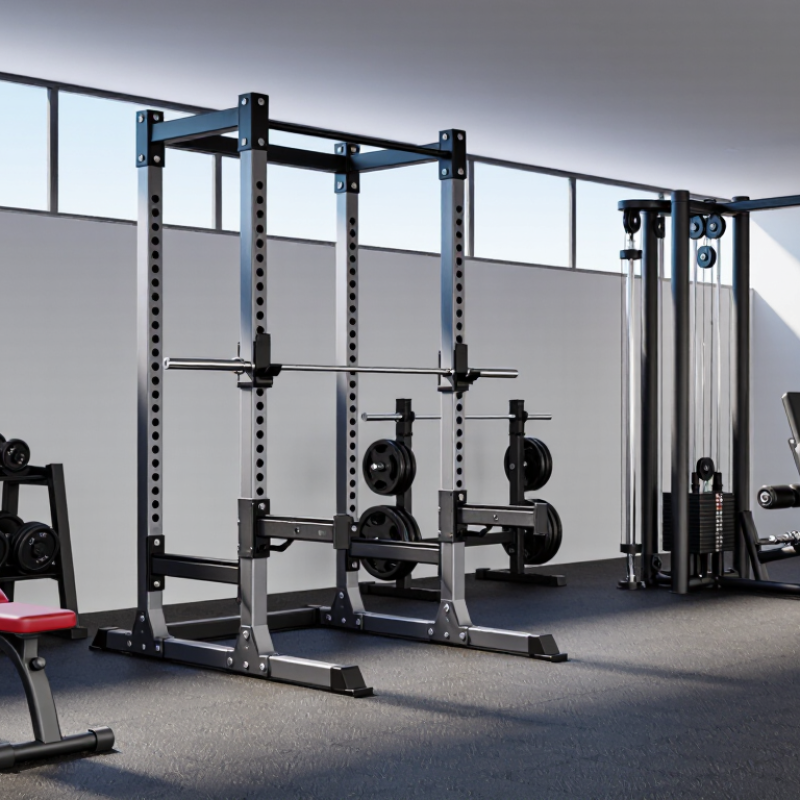
Strength equipment includes machines, free weights, racks, benches, and cable systems designed to create resistance. The resistance challenges muscles during controlled movement, encouraging strength, stability, and endurance. A loaded barbell relies on gravity, while a cable machine redirects force through pulleys. Weight machines often guide the movement along a fixed path. Simple mechanics, different demands.
In practical training, users select a load they can control without losing posture. Muscles work against resistance during lifting and lowering phases. The lowering phase is easy to neglect, yet it strongly affects control. Experienced coaches usually check joint alignment, breathing, equipment stability, and adjustment points before increasing weight. Buyers should also examine frame construction, weld quality, padding, handles, and available space. Product descriptions can sound impressive, but measured specifications matter more. Some designs look durable and still feel unstable under repeated use.
Tips: Test the equipment before purchase when possible. Sit, pull, press, and adjust every contact point. Confirm the maximum load and required floor clearance. Keep safety accessories nearby, including collars, pins, and secure catches. Train progressively, not aggressively. Beginners may benefit from professional instruction, especially with free weights. Maintenance records also improve reliability, although many owners forget them. That small mistake can become expensive.
Key Benefits of Strength Equipment for Training
Strength equipment supports controlled resistance, measurable progress, and safer training when selected carefully. Free weights challenge balance and coordination, while machines can guide movement for beginners or rehabilitation settings. Cables offer adjustable angles for pressing, pulling, and rotational exercises. This variety helps users train major muscle groups without repeating one stressful pattern.
A well-planned setup can improve muscular strength, bone loading, and everyday movement capacity. Research and coaching practice support gradual resistance increases, adequate recovery, and consistent technique. In a small training room, an adjustable bench, rack, plates, and cable station may cover many practical needs. Check load ratings, weld quality, adjustment points, flooring needs, and maintenance access before buying. These details affect safety more than appearance. Local safety requirements also deserve attention.
I once underestimated how often users would change bench angles. The adjustment mechanism became the real bottleneck. Small flaws matter. Buyers should test grip comfort, pin placement, and user-height compatibility when possible. A heavier weight stack is not automatically better. Beginners may need clear instructions and low starting resistance, while experienced athletes may require finer increments. Staff should record inspections and replace damaged parts promptly. Even excellent equipment cannot correct rushed repetitions or poor programming.
How to Choose Strength Equipment for Different Needs
What Is Strength Equipment A Global Buyers Guide?
How to Choose Strength Equipment for Different Needs
Choosing strength equipment starts with the user, not the product photograph. A home trainee may need adjustable dumbbells, a compact bench, and secure storage. A busy training facility may require racks, cable stations, and durable flooring. Measure the room first. Leave clear walking space around moving parts.
For beginners, stability and simple adjustments matter more than maximum load. Check the frame, locking pins, seat positions, and weight markings by hand. Short sentences help here. Test every contact point. A smooth adjustment should not require force or guesswork. People recovering from injury may need professional guidance before selecting equipment. The equipment should support controlled movement, not encourage excessive loading.
Commercial buyers should compare tested load ratings, warranty terms, spare-part access, and maintenance instructions. Ask whether local technicians can service the equipment. A low purchase price can become expensive when a cable frays or a bolt loosens. In my experience, buyers often focus on steel thickness and overlook user flow. I once favored a large rack, then found it blocked storage access and reduced training space. That choice needed reconsideration. Independent reviews, safety documentation, and facility inspections can improve confidence, but none replaces a hands-on check. Choose equipment that fits the user’s ability, space, training goal, and maintenance capacity.
Safety, Maintenance, and Global Buying Considerations
Strength equipment is purchased globally, but safety standards and service conditions differ by market. Buyers should verify load ratings, moving-part guards, emergency stops, and clear assembly instructions. ISO 20957 provides internationally recognized safety requirements for stationary training equipment. It is a useful baseline, not a substitute for local compliance checks.
Maintenance begins before installation. Inspect cables, bolts, upholstery, welds, and adjustment pins during every scheduled service. Keep a written log with dates, defects, repairs, and technician names. Small details matter. The U.S. Consumer Product Safety Commission’s injury surveillance data shows that exercise equipment can cause serious injuries, including falls and crush incidents. A loose pin or worn cable may look harmless until repeated use exposes the weakness. Cleaning chemicals also require care because aggressive formulas can damage grips and protective coatings.
Global buyers should assess climate, voltage, spare-part availability, training, and delivery conditions. High humidity accelerates corrosion, while dusty environments can affect bearings and resistance systems. The World Health Organization’s Global Status Report on Physical Activity estimates that 31% of adults worldwide were insufficiently active in 2022, increasing demand for accessible training facilities. Yet purchasing more equipment does not guarantee safer participation. It is not enough. A lower-cost unit may become expensive when replacement parts, local technicians, and downtime are ignored. I would also challenge my own inspection routine: visual checks can miss internal wear, so periodic technical testing remains necessary.