China Top 10 Air Separation Unit Manufacturers
Choosing among China’s top 10 Air Separation Unit(ASU) manufacturers requires more than comparing capacity figures. An ASU cools and separates air to produce oxygen, nitrogen, and sometimes argon. Those gases support steelmaking, chemicals, electronics, healthcare, and other demanding industries. The equipment may occupy a large plant, but small design choices matter: compressor efficiency, cold-box insulation, control systems, and access for maintenance. Details show up in operating costs.
For historical perspective, Carl von Linde pioneered industrial air liquefaction. His engineering legacy can be paraphrased this way: “Reliable separation depends on controlling temperature, pressure, and the entire process as one system.” This is a paraphrase, not a direct quotation. It points to a useful way to assess manufacturers: examine process design, project experience, safety practices, service coverage, and performance guarantees. A polished brochure is not enough.
Look for evidence from plants with comparable feed conditions and product specifications. Ask how a supplier handles start-up, turndown, spare parts, and unplanned shutdowns. Request clear explanations of energy consumption and expected maintenance intervals. Local engineering support can matter when a valve fails at night, not just during a factory visit. Still, published claims may not reveal every operating limitation. Buyers should verify references and compare proposals on the same technical basis. The following guide introduces ten Chinese manufacturers and the factors that can help distinguish their capabilities. Some rankings are necessarily imperfect; project fit depends on the site, application, and operating priorities.
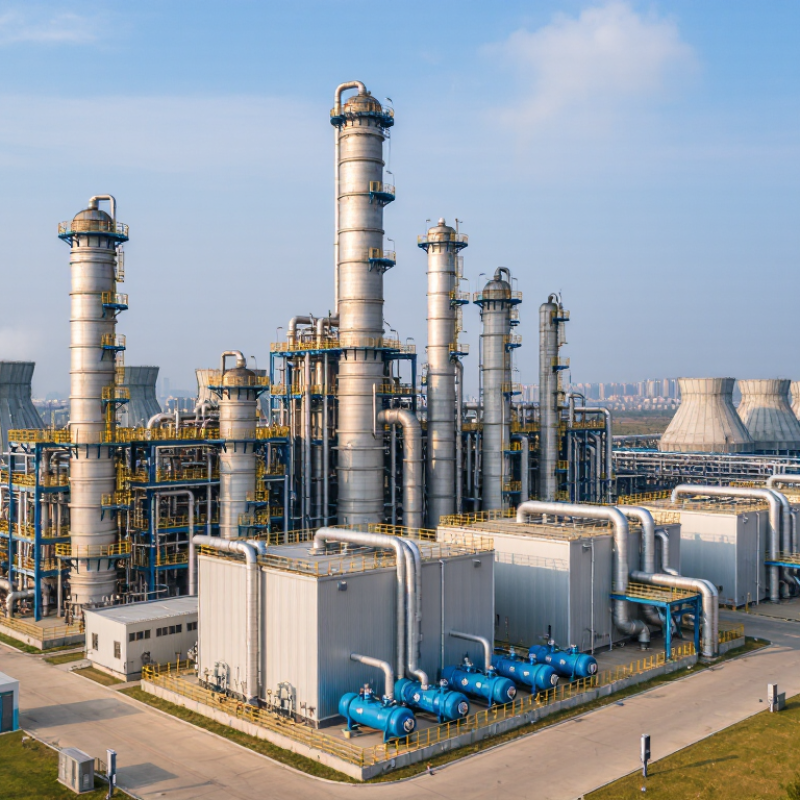
Understanding Air Separation Units and Their Industrial Applications
China Top 10 Air Separation Unit Manufacturers
An air separation unit (ASU) separates atmospheric air into useful gases, mainly oxygen, nitrogen, and argon. Cryogenic ASUs compress and purify air, then cool it until components can be separated by their different boiling points. Smaller systems may use pressure swing adsorption, where molecular sieves capture selected gases during changing pressure cycles. The right method depends on required purity, output, and energy use.
Industry uses these gases in practical, sometimes very different ways. Steel plants use oxygen to support combustion and refining, while chemical facilities may need a steady supply for oxidation processes. Nitrogen provides an inert atmosphere for storage, packaging, and equipment purging. Argon is valued in some metalworking processes because it shields hot metal from reactive air. At a food-packaging line, for example, nitrogen can flow into a package just before sealing.
ASU performance depends on more than nameplate capacity. Moisture and carbon dioxide must be removed before deep cooling, or they can freeze inside equipment. Operators monitor pressure, temperature, and product purity. Oxygen enrichment also makes fires burn more intensely, so suitable materials and careful operating procedures matter. A less obvious challenge is changing demand: a plant may need less gas during a quiet shift, yet the unit still has operating costs. That trade-off is easy to underestimate.
Criteria for Ranking China’s Air Separation Unit Manufacturers
Ranking China’s air separation unit manufacturers requires more than comparing advertised capacity. A 100,000-cubic-metre-per-hour plant may look impressive, yet its value depends on the customer’s required purity, operating pattern, and local utilities. Installed references offer useful evidence. Check whether similar projects have run reliably, and whether performance figures come from commissioning records or marketing material. Numbers need context.
Engineering capability should be judged through process design, equipment integration, and documented energy use. Ask for measured power consumption per unit of gas, not a broad efficiency claim. Examine how the supplier handles cold-box insulation, compressor selection, and control-system alarms. Small details matter. Maintenance access around valves and clear spare-parts plans can reduce costly downtime.
A fair comparison also considers delivery discipline, operator training, service response, and lifecycle costs. Review independently verifiable quality and safety records, along with compliance documentation relevant to the project. No scorecard is perfectly neutral; public data may be incomplete, and customer references can reflect unusually favorable conditions. Rankings should explain their weighting and disclose missing evidence. Otherwise, a polished table may suggest more certainty than the available facts justify.
Profiles of China’s Top 10 Air Separation Unit Manufacturers
Profiles of China’s Top 10 Air Separation Unit Manufacturers
A useful profile should explain what each manufacturer can actually deliver, not just list equipment. Compare plant capacity, product purity, energy consumption, and experience with similar operating conditions. Some suppliers focus on large cryogenic units; others serve smaller or modular projects. Details matter. Look for clear information on process design, control systems, installation support, and spare-parts access. A profile that skips these points may leave buyers with more questions than answers.
When reviewing ten manufacturers, treat the ranking as a starting point, not a guarantee. Project records, technical teams, and service coverage can vary by location and application. Ask for references from facilities with comparable feed gas and output requirements. Check how the supplier handles commissioning and operator training. A polished brochure cannot show how quickly a team responds when a compressor trips at night. One limitation: public profiles rarely reveal the full quality of after-sales support.
Tips: Request a process-flow diagram and an estimated power demand for your operating range. Confirm the figures with an independent engineer, and ask what assumptions were used. Small omissions can change the comparison.
Key Factors in Selecting an Air Separation Unit Manufacturer
Selecting an air separation unit manufacturer starts with the gases, purity, and flow rate your plant actually needs. A unit designed for oxygen, nitrogen, or argon service may use different process configurations. Ask for performance data at your expected operating conditions, not only a headline capacity. Small print matters.
Check energy use, feed-air requirements, and turndown range. These figures affect costs when demand changes between shifts. Request reference data from plants with similar feed conditions and product specifications. A credible supplier should explain its assumptions, including ambient temperature and pressure. Not every comparison is fair.
Review the proposed compressor, purification system, controls, and safety interlocks as one integrated package. Confirm how maintenance access works around filters, valves, and cold-box equipment. Ask what spare parts are stocked locally, how quickly technicians can respond, and what operator training includes. A low purchase price can hide long service delays. It is worth checking. For cryogenic units, discuss commissioning plans and procedures for managing startup and shutdown. For smaller applications, compare packaged systems against site-built designs. The best fit is not always the largest unit. Some project estimates still feel optimistic; ask how performance guarantees account for changing loads and site conditions.