China Top Actuator Valve Manufacturers for Global Buyers
China has become a major sourcing base for industrial flow-control equipment. Its actuator valve manufacturers serve water treatment, oil and gas, power generation, chemicals, and building services. The range is broad.
MarketsandMarkets estimated the global industrial valves market at USD 78.3 billion in 2023. It expects the market to reach USD 98.4 billion by 2028. This growth reflects new infrastructure, process automation, and stricter leakage-control needs. These figures describe market direction, not every actuator valve segment.
For global buyers, supplier selection requires more than comparing unit prices. A reliable manufacturer should explain body materials, pressure classes, sealing designs, actuator torque, and control signals. For example, a 24-inch butterfly valve may need a pneumatic actuator, position feedback, and a 4–20 mA control loop. Buyers should also review ISO 9001 records, relevant API or IEC compliance, factory testing, traceability, and after-sales support.
Small details matter.
A supplier may provide attractive samples but lack consistent batch control. That weakness can appear during repeated cycling, humid storage, or unstable power conditions. The Global Water Intelligence market outlook and the International Energy Agency’s infrastructure analyses both highlight continuing investment in water and energy systems. However, published forecasts cannot replace technical audits.
This guide examines China’s leading actuator valve manufacturers through product capability, certification evidence, export experience, customization, and service responsiveness. Some rankings remain subjective. Buyers should verify current certificates, test reports, and references before signing contracts. That practical step reduces risk and turns a promising quotation into a dependable supply decision.
China’s Top Actuator Valve Manufacturers: Market Scope and Product Categories
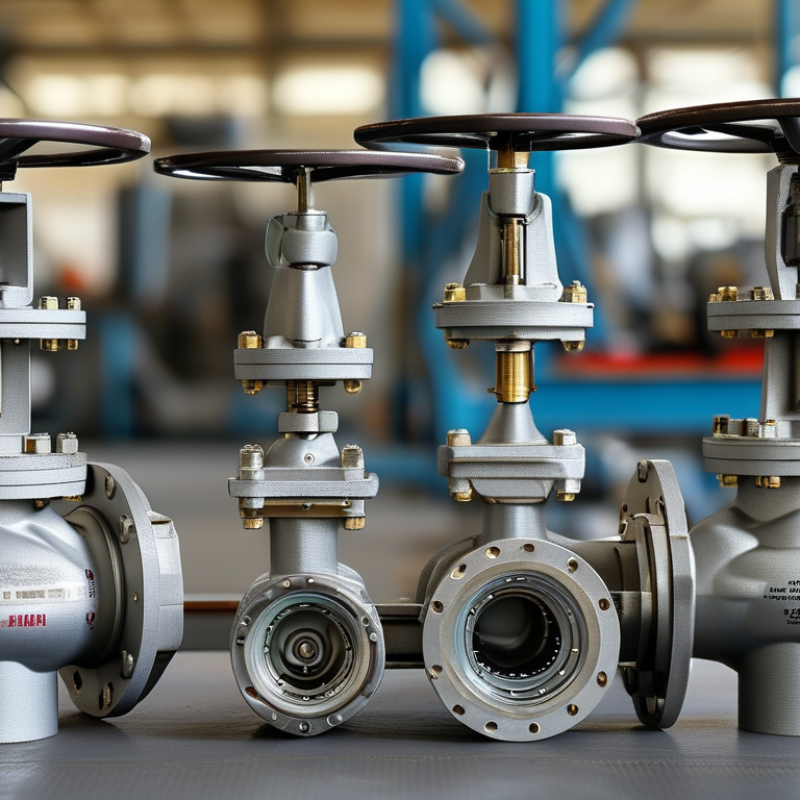
China’s actuator valve manufacturing market serves water treatment, power, chemicals, food processing, and general industry. Its scope ranges from standardized exports to engineered assemblies for harsh operating conditions. Buyers can source ball, butterfly, gate, globe, check, and control valves with electric, pneumatic, or hydraulic actuation. Many factories combine casting, machining, assembly, and pressure testing under one production system. This improves traceability. Yet capacity alone proves little. A capable supplier should provide test records, material certificates, actuator sizing data, and repeatable inspection procedures.
Electric actuated valves suit remote pipelines, dosing skids, and facilities needing precise position feedback. Pneumatic models respond quickly and remain practical where compressed air is available. Hydraulic actuation supports high-torque applications, including large-diameter or high-pressure systems. Product categories also differ by body material, connection standard, sealing design, pressure class, and control signal. Stainless steel may support corrosive service, while ductile iron can reduce costs in treated-water applications. Selection depends on fluid, temperature, cycle frequency, fail position, and maintenance access. Guesswork becomes expensive.
Experienced global buyers usually request drawings, sample approvals, factory audit access, and documented factory acceptance tests. They also verify communication during nonconformity handling, not only sales responsiveness. A strong manufacturer explains limitations instead of promising universal compatibility. This matters when certificates, local standards, or installation conditions vary by destination. Some suppliers still leave actuator margins unclear. That point deserves scrutiny. Before ordering, compare torque calculations, IP ratings, coating systems, spare-part availability, and commissioning support. Field feedback should influence the next specification, because the first selection is not always the best one.
China’s Actuator Valve Market Scope and Product Categories
Estimated global demand distribution by actuator valve category. Pneumatic and electric actuator valves represent the largest portions of industrial demand because of their broad use in water treatment, oil and gas, power generation, chemical processing, and manufacturing automation.
Data shown as rounded percentage estimates based on publicly reported global industrial valve and actuator market segmentation. Categories exclude company and brand-level data; percentages total 100%.
Valve Standards Explained: ISO 5211, API 6D, and IEC 60534 Compliance
For global buyers, actuator valve compliance starts with the interface, service, and control function. ISO 5211 defines the mounting dimensions between an actuator and valve. It supports interchangeability, not complete product certification. Fit matters. Buyers should verify flange size, drive shape, torque, and travel limits against approved drawings. A correct ISO 5211 connection can still fail if torque calculations ignore pressure, temperature, or emergency operating conditions.
API 6D focuses on pipeline valves and critical requirements, including design verification, pressure testing, documentation, and functional safety features. It is especially relevant for oil, gas, and process transportation systems. IEC 60534 addresses industrial-process control valves, including sizing, flow capacity, noise, and cavitation evaluation. These standards serve different duties; treating them as interchangeable is a costly mistake. The 2024 Industrial Valves Market report from MarketsandMarkets estimates growth from about USD 78 billion in 2024 to more than USD 99 billion by 2029. That expansion increases the need for traceable compliance, not just attractive datasheets.
Field inspections often reveal incomplete test records, unclear material grades, or actuator output measured under ideal conditions. Request certificates, inspection plans, torque curves, and calibration evidence. Ask who performed each test. Small details matter. A supplier may claim “API compliant,” yet the claim can cover only the valve body, not the full actuated package. Buyers should review the exact scope, revision, and applicable service conditions before approval. Standards reduce risk, but they do not replace engineering judgment.
Actuator Performance Metrics: Torque, IP67 Protection, and SIL Ratings
China Top Actuator Valve Manufacturers for Global Buyers
For global buyers, actuator quality starts with measurable performance, not catalog language. Torque must exceed the valve’s breakaway and running requirements. A practical sizing margin is often 25–50%, although sticky media may demand more. Oversizing also creates problems. It can slow response, increase energy use, and damage valve seats. IEC 60529 defines IP67 as dust-tight protection and temporary immersion up to one metre for 30 minutes. This rating protects against brief flooding, but not permanent underwater operation.
SIL ratings require careful interpretation. IEC 61508 treats SIL as a risk-reduction capability within a complete safety function. An actuator cannot claim system-level SIL performance alone. Buyers should request proof-test intervals, failure-rate data, diagnostic coverage, and safe failure fraction. Industry safety assessments show that documentation quality strongly affects calculated performance. Yet technical files are sometimes incomplete. That is a warning sign, not a minor inconvenience. The U.S. Department of Energy reports that motor-driven systems can consume around 60% of industrial electricity, making actuator efficiency relevant to operating costs.
Tips: Match torque to real valve conditions, not nominal size. Confirm IP67 testing conditions. Check whether SIL data covers the actuator, control logic, and proof testing together. A field trial under cold starts and high humidity may reveal more than a polished brochure.
Pressure, Temperature, and Fire Safety: ASME B16.34 and API 607 Data
For global buyers, actuator valve selection starts with pressure and temperature data, not catalog photos. ASME B16.34 provides important requirements for valve design, materials, pressure-temperature ratings, and testing. Engineers should compare the valve rating with the real line conditions, including startup pressure and temperature swings. A valve rated for ambient service may lose margin near its maximum temperature.
Actuator sizing needs equal care. Confirm breakaway torque, running torque, shutoff torque, and the effect of differential pressure. Check whether the actuator remains reliable during low air pressure or power loss. Small errors matter. A five-degree temperature difference can change sealing performance in demanding service. Review material certificates, dimensional reports, hydrostatic test records, and traceability documents before approval.
Fire safety requires separate evidence. API 607 evaluates the fire performance of quarter-turn valves and their soft-sealing systems under controlled test conditions. Buyers should request the tested valve configuration, size range, pressure class, seat material, and test report. The report must match the supplied design. A fire-tested seat does not prove safety in every plant fire scenario. In technical reviews, this detail is often missed. Witnessed testing adds confidence, but paperwork alone is not enough. Ask how packing, stem seals, actuator mounting, and post-fire leakage were assessed. Some data sheets remain incomplete. That is a reason to question assumptions, not ignore them.
Global Buyer Evaluation: Certifications, Testing Capacity, Lead Times, and Exports
Global buyers should evaluate actuator valve manufacturers through evidence, not polished catalogs. The ISO Survey 2023 recorded 1,265,216 valid ISO 9001 certificates worldwide, showing broad adoption of quality systems. Yet certification alone proves limited product performance. Ask for certificate scope, issuing body, expiry date, and recent audit records. A factory producing industrial valves should also provide material certificates, calibration records, and batch traceability.
Testing capacity deserves close inspection. Request pressure, shell, seat-leakage, torque, cycling, and fail-safe test results. API 598 and IEC 60534 can help define suitable test references, depending on valve type and application. Testing reports should show equipment numbers, calibration dates, acceptance limits, and serial numbers. Test reports matter. A certificate can be valid and still reveal little about production consistency. I would not accept only sample videos or unsigned spreadsheets.
Lead time should be checked against real production schedules. Ask for raw-material availability, machining capacity, factory shutdown dates, and the percentage of orders shipped on time. The World Bank Logistics Performance Index 2023 assesses customs, infrastructure, and shipment reliability across global markets. Export claims should also be checked through UN Comtrade trade data under HS 8481, alongside packing lists and previous shipping records. Dates move. That risk needs honest discussion.
Tips: Request one witnessed factory acceptance test, confirm Incoterms in writing, and compare quoted lead time with the last three completed orders. Allow contingency days for inspection, documentation, and port delays.