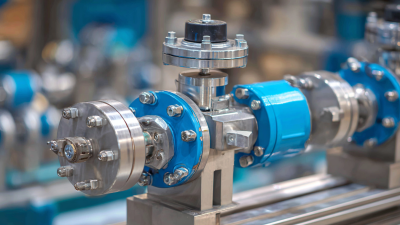
Control valves play a crucial role in industrial processes. According to John Smith, a leading expert in fluid dynamics, "Control valves are the backbone of efficient systems." These devices regulate flow, pressure, and temperature, ensuring optimal performance.
In various settings, control valves minimize energy consumption and enhance safety. They come in different types, each serving specific needs. For instance, globe valves are popular for throttling service, while ball valves excel in on-off control. Understanding these distinctions is vital.
However, not all control valves are reliable. Poor selection or maintenance can lead to inefficiencies and failures. Regular assessments and updates are essential. In this article, we'll explore the top 10 control valves you need to know about, highlighting their features and applications. Understanding these factors can improve system performance and longevity.
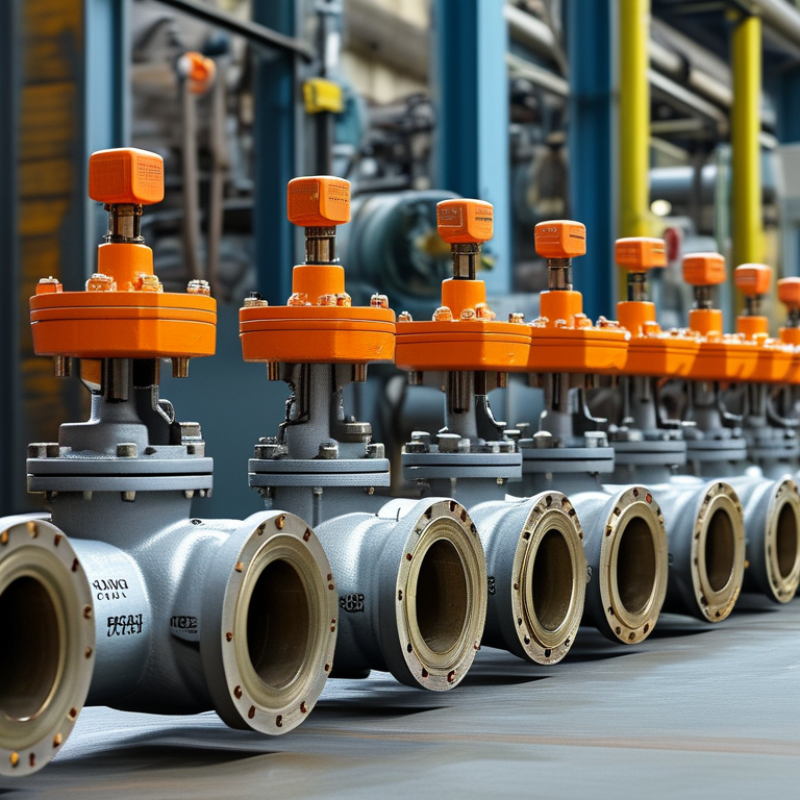
Control valves play a crucial role in various industrial processes. They regulate fluid flow by adjusting valve openings. This enables precise control of temperature, pressure, and flow rate. Different types of control valves meet specific industry needs.
Globe valves are widely used for their excellent throttling ability. They provide good flow regulation, making them ideal for applications in steam and water systems. Ball valves are quick-acting valves offering a tight seal. They are commonly used in applications with high flow rates. Butterfly valves are lightweight and take up less space. Their design allows for quick open and close operations.
In chemical processing, diaphragm valves are essential. They prevent contamination by isolating the fluid. For applications needing high flow at a low pressure drop, gate valves are preferred. They are less effective for throttling but excellent for on/off service. Each valve type has advantages and limitations. Depending on the application, a thorough analysis is necessary to select the right type for stable operations.
Control valves play a crucial role in various industrial processes. Understanding their specifications is essential for effective performance. Several key metrics define a control valve's capability. These include flow characteristics, rangeability, and control accuracy.
Flow characteristics indicate how a valve behaves under different operating conditions. Choosing the right characteristic is vital, as it can impact the system's overall efficiency.
Rangeability refers to a valve's ability to maintain accurate control over a wide flow range. This metric helps ensure consistent performance, even when conditions fluctuate. A high rangeability indicates versatility.
Control accuracy is equally important. It measures how closely the output matches the desired setpoint. Inaccurate control can lead to inefficiencies and safety risks.
Other factors come into play as well. Material selection affects durability and resistance to corrosion. The valve positioner enhances performance by improving response time. Understanding these specifications enables better decision-making. Users should often reassess their needs to ensure optimal valve choice.
Regular maintenance also cannot be overlooked. Failure to maintain valves can lead to unexpected issues and expensive repairs.
Control valves are essential in regulating flow within various systems. Understanding flow coefficients is crucial for optimizing their performance. The flow coefficient, often denoted as Cv, quantifies a valve's flow capacity. A higher Cv indicates a greater ability to pass fluid. For instance, a valve with a Cv of 10 can deliver more liquid than one rated at 5 under the same conditions.
Industry reports indicate that the correct selection of control valves can improve system efficiency by up to 20%. However, many professionals overlook the significance of Cv values during valve selection. Misjudgments can lead to increased energy costs and system inefficiencies. It’s essential to assess not only the flow coefficients but also the valve's intended application.
Tips: Always consult reliable engineering tables when determining Cv values. Gauge the specific needs of your system. Understanding the flow characteristics will help you make informed decisions. A well-selected valve contributes to smoother operations. Remember, even small discrepancies in Cv can affect performance significantly. Review your choices regularly to ensure optimal performance.
| Control Valve Name | Type | Flow Coefficient (Cv) | Pressure Rating (PSI) | Temperature Range (°F) |
|---|---|---|---|---|
| Globe Valve | Linear | 40 | 300 | -20 to 250 |
| Ball Valve | Rotary | 70 | 150 | -4 to 300 |
| Butterfly Valve | Rotary | 60 | 200 | -10 to 200 |
| Check Valve | Non-Return | 30 | 250 | -20 to 150 |
| Plug Valve | Rotary | 50 | 150 | -20 to 200 |
| Diaphragm Valve | Linear | 25 | 100 | -4 to 150 |
| Control Valve | Multi-Position | 100 | 300 | -20 to 400 |
| Pinch Valve | Linear | 20 | 150 | -20 to 160 |
| Solenoid Valve | Actuated | 15 | 100 | -5 to 140 |
| Float Valve | Automatic | 25 | 150 | -20 to 100 |
Control valve technology has seen remarkable advancements recently. Innovations focus on improving efficiency, safety, and precision. According to the Global Control Valve Market Report 2023, the industry is expected to grow by over 6% annually. This growth stems from rising energy demands and the need for better process control.
Digital technologies play a significant role in this evolution. Smart control valves equipped with IoT capabilities enhance monitoring and diagnostics. Data from the International Society of Automation shows that integrating smart systems can cut maintenance costs by 30%. However, the challenge lies in ensuring seamless interoperability with existing systems. Failure to address compatibility can lead to costly downtimes.
Another trend is the development of more resilient materials. Research indicates that advanced composite materials improve durability and performance under harsh conditions. However, many companies struggle to transition from traditional materials to these innovative solutions. Continued investment in employee training and understanding new technologies is essential. This ongoing struggle highlights the need for adaptation in an ever-evolving market landscape.
This chart illustrates the impact score of the top 10 innovations in control valve technology, showcasing the advancements and trends that are shaping the industry. Each innovation plays a vital role in enhancing efficiency, reliability, and performance in industrial applications.
Control valves play a crucial role in process control systems. They regulate fluid flow, pressure, and temperature in various applications. Understanding how they function is essential for designing effective control systems.
In many industries, control valves adjust the flow of liquids or gases based on feedback from sensors. This feedback ensures optimal performance and safety. However, not every control valve performs flawlessly. Some may lag due to mechanical issues or improper calibration. Recognizing these shortcomings can lead to better maintenance practices and improved system reliability.
A well-functioning control valve responds swiftly to changes in system demands. It can prevent overpressure and ensure safe operations. Yet, if mismanaged, they can become bottlenecks, reducing efficiency. Regular monitoring and assessment are necessary for sustained effectiveness. Continuing education on valve technology is vital for engineers in the field.