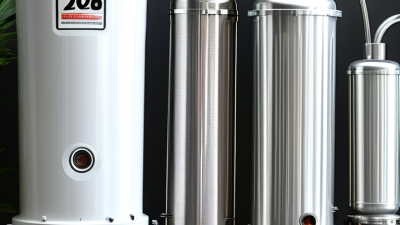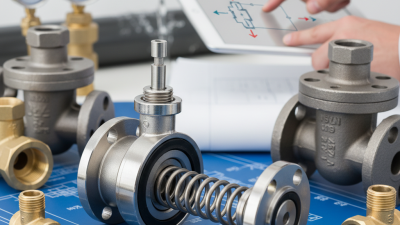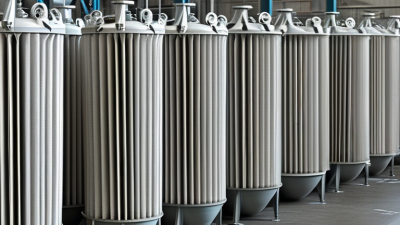
Choosing a duplex strainer manufacturer is not just a price comparison. Buyers need equipment that can handle real operating conditions, from changing flow rates to particles that collect in the basket. A well-designed unit lets operators switch between chambers for cleaning without interrupting the process. Small details matter: clear flow-direction markings, secure covers, and baskets that can be removed safely.
This guide examines manufacturers serving global buyers and the practical questions worth asking before a purchase. Compare pressure and temperature ratings, body and basket materials, connection options, and available mesh sizes. Ask how each supplier verifies performance and what inspection records accompany the equipment. Reliable documentation helps engineering and procurement teams check whether a model suits the intended service. It can also make later maintenance less uncertain.
A catalog is only a starting point. Confirm spare-part availability, customization limits, delivery estimates, and technical support for your destination. Check whether quoted specifications match the datasheet and operating requirements; a mismatch can be easy to overlook. Even established suppliers may vary in response time or regional service. That deserves a closer look. The manufacturers discussed here should be evaluated against the same criteria, not treated as interchangeable. Use the comparison to narrow your shortlist, then confirm critical details directly with the supplier before specifying or ordering a unit.
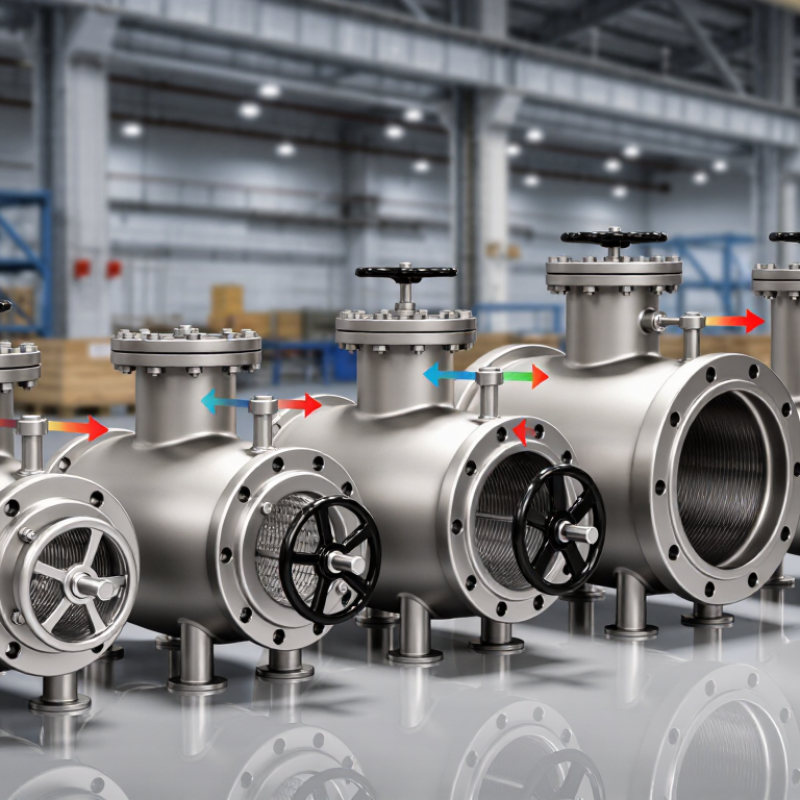
A duplex strainer is an inline device that captures solid debris before it reaches pumps, valves, or other equipment. Inside are two separate chambers, each fitted with a removable screen or perforated basket. A selector valve directs liquid through one chamber while the other remains available for cleaning. It is a practical arrangement for process lines that cannot easily stop for routine maintenance.
During normal operation, fluid enters the active chamber, passes through the basket, and leaves with larger particles held back. As debris builds up, pressure drop across the screen may rise. That change can signal that cleaning is due. The operator then moves the selector valve to route flow through the clean chamber. The transition is designed to maintain service, but only when the valve is operated correctly.
The isolated chamber can then be depressurized, opened, and cleaned according to site procedures. Small details matter: confirm the flow path before opening a cover, and check seals when reinstalling the basket. A duplex unit does not remove every contaminant, and a fine screen can clog quickly in dirty service. There is a catch. Switching valves under pressure takes care and training; the mechanism is not a substitute for inspection.
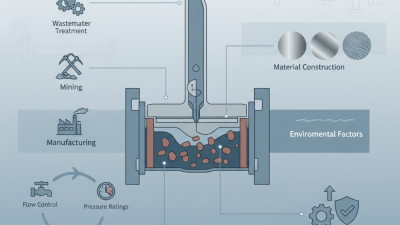
This conceptual chart shows the two operating states of a duplex strainer. One chamber filters the process flow while the other is isolated for basket cleaning or maintenance; the chambers can exchange roles through the valve arrangement. Values show operating status, not measured performance.
A duplex strainer uses two filter chambers so one can remain in service while the other is cleaned. The changeover valves direct flow between chambers, reducing the need to stop a process for routine maintenance. Smooth switching matters: abrupt valve operation can disturb flow and place unnecessary stress on the system. Small details matter.
Screen selection should match the fluid, expected debris, and required flow rate. A finer mesh may capture smaller particles, but it can also clog sooner and increase pressure drop. Check the manufacturer’s stated pressure and temperature limits, connection sizes, and housing material against actual operating conditions. For corrosive fluids, material compatibility deserves careful review; a generic “stainless steel” description may not be enough to make a decision.
A useful comparison also looks at sealing surfaces, drain and vent ports, and how safely operators can access the screen. Differential-pressure indicators can help show when cleaning is needed, rather than relying only on a fixed schedule. In practice, the neatest specification is not always the easiest one to maintain. Confirm the changeover procedure and clearance for removing the screen before installation; these are easy details to overlook.
Use this comparison to assess manufacturer offerings. Specifications vary by model and service conditions; confirm the approved design, materials, ratings, and applicable requirements with the supplier.
| Evaluation dimension | Common configurations or facts | What distinguishes a suitable offering | Buyer verification |
|---|---|---|---|
| Flow continuity | A duplex strainer typically has two basket chambers and a changeover arrangement. One chamber can be isolated for cleaning while the other remains in service. | Clear changeover instructions and a valve arrangement suited to the required operating procedure. | Confirm whether flow interruption is avoided during changeover and whether the design requires manual or powered operation. |
| Changeover mechanism | Common arrangements include a plug, ball, or other diverter valve, as well as configurations using separate isolation valves. | The mechanism should suit the process, operating frequency, available space, and maintenance approach. | Request the flow path diagram, valve operating sequence, and details of any interlocks or position indication. |
| Screen or basket selection | Screens may use perforated plate, wire mesh, or a combination. The appropriate opening depends on the particles to be removed and the process requirements. | A clearly specified opening size, screen construction, and cleanable or replaceable basket design. | Check opening size, open area, material, basket dimensions, and compatibility with the fluid and expected solids. |
| Pressure drop and capacity | Pressure drop depends on flow rate, fluid properties, strainer geometry, screen open area, and the amount of collected debris. | Sizing information that relates the proposed model to the buyer’s flow and allowable pressure-drop limits. | Request sizing data for the actual fluid and operating conditions; do not rely on connection size alone. |
| Pressure and temperature design | Allowable pressure and temperature depend on the pressure-containing design, materials, components, and applicable code or jurisdiction. | A documented design basis with ratings stated for the complete assembly and intended service. | Verify design pressure, design temperature, flange class or connection rating, and applicable code requirements. |
| Materials and sealing | Bodies and baskets are available in different metals; gasket and seal materials also vary. Suitability depends on the fluid, temperature, and operating conditions. | Material options and documentation appropriate to corrosion, cleanliness, and process compatibility needs. | Confirm body, basket, trim, gasket, and seal materials against the fluid composition and service conditions. |
| Monitoring and maintenance | Differential-pressure gauges or indicators may be offered to help identify rising pressure drop as a screen loads with debris. | Accessible covers, practical basket removal, and suitable pressure-monitoring connections can simplify service. | Check cover clearance, safe depressurization and isolation provisions, replacement-basket availability, and indicator options. |
| Connections and installation | Depending on the design, end connections may include flanged, threaded, or welded options. | Connection choices and overall dimensions that match the piping layout and installation environment. | Verify facing, connection standard, face-to-face dimensions, flow direction, lifting needs, and maintenance access. |
When evaluating duplex strainer manufacturers, match the design to your actual operating conditions. Share the fluid, flow rate, operating pressure, temperature, and expected solids. Ask how the supplier selects screen openings and estimates pressure drop. A fine mesh may capture smaller particles, but it can also clog sooner.
Review construction details, not just a catalogue image. Confirm the body and screen materials suit the fluid and site conditions. Ask whether the changeover mechanism can isolate one chamber while the other remains in service. Request pressure-test records, material documentation, and clear instructions for screen removal. Details matter. Check that quoted ratings apply to the complete strainer, not only individual components. I would also ask about spare-screen lead times; this practical point is easy to overlook.
Tips: Request a drawing with dimensions, connection type, drain and vent locations, and maintenance clearance. Compare written answers across suppliers. If a specification remains vague, pause and ask again. One small mismatch can complicate installation. A factory visit or reference check may add confidence, but neither replaces reviewing the exact model’s documents.
For global buyers, duplex strainers should be compared by material suitability, verified standards, and the support available after delivery. Cast iron can suit steady, lower-pressure water service, while ductile iron offers greater impact resistance. Stainless steel grades such as 304 or 316 may be preferable where corrosion is a concern, but neither is universally suitable. Check the fluid, temperature, chloride level, and cleaning method before selecting a grade.
Look beyond a standards list. Ask manufacturers to identify the design code, flange specification, pressure rating, and inspection records for the exact model. A certificate for the factory’s quality system does not, by itself, prove that a particular strainer meets a project requirement. Request material certificates, dimensional drawings, and pressure-test documentation. Small details matter. Confirm basket perforation size, usable screen area, drain connections, and the space needed to switch chambers without interrupting flow.
Support can separate a workable supplier from a difficult one. Compare response times for technical questions, spare-screen availability, installation guidance, and clear maintenance instructions. Ask whether drawings show access for basket removal; cramped pipework can make routine cleaning surprisingly awkward. Remote support helps, but it is not always enough. Some specifications remain ambiguous, and buyers should resolve them in writing before production. A careful comparison may take longer, yet it reduces avoidable changes at the installation stage.
Global buyers should compare duplex strainer manufacturers by application fit, not catalogue size alone. Confirm the operating pressure, temperature, flow rate, and fluid before reviewing a proposed design. Body materials and sealing compounds must suit the process; a mismatch can cause premature wear or leakage. Ask for pressure-test records, material documentation, dimensional drawings, and clearances for installation. Details matter. A supplier’s stated capacity is useful, but it should match the actual piping conditions.
Check how the unit switches between baskets and whether the changeover valve supports uninterrupted service under your operating conditions. Review screen area, perforation or mesh size, and the expected pressure drop when the basket collects debris. For overseas procurement, clarify inspection steps, spare-part availability, packaging, delivery terms, and technical support across time zones. Request references for similar fluids and duty cycles, not just general product claims. A tidy datasheet can still leave questions unanswered; buyers should verify the assumptions behind it.
Tips: Share a process sketch and fluid details before requesting a quote. Ask who handles inspection and replacement baskets. Compare like with like, and record any unresolved assumptions before approving the order.