Top Motorized Valves for 2025 Which One is Right for Your Needs
In the evolving landscape of automation and industrial control, motorized valves have emerged as critical components in optimizing system efficiency and enhancing operational reliability. According to the global motorized valve market report by ResearchAndMarkets, the sector is expected to experience a robust compound annual growth rate (CAGR) of 5.6% from 2021 to 2026, driven by increased investment in infrastructural development and the growing demand for automated processes across various industries. As we move towards 2025, selecting the right motorized valve tailored to specific applications will be crucial for businesses aiming to improve their mechanical systems and reduce operational costs.
The diverse range of motorized valves available on the market today, from electric actuated ball valves to automated gate valves, presents opportunities for enhanced control and functionality. This vast selection can often lead to confusion as businesses evaluate which product aligns best with their operational requirements. Insight from industry experts highlights that proper valve selection can lead to significant energy savings and improved process efficiency, highlighting the importance of understanding unique system needs when choosing motorized valves. As we explore the top motorized valves for 2025, a comprehensive understanding of these products will empower users to make informed decisions that maximize performance and contribute to sustainable operational practices.

Top Motorized Valves for 2025: An Overview of Current Technologies
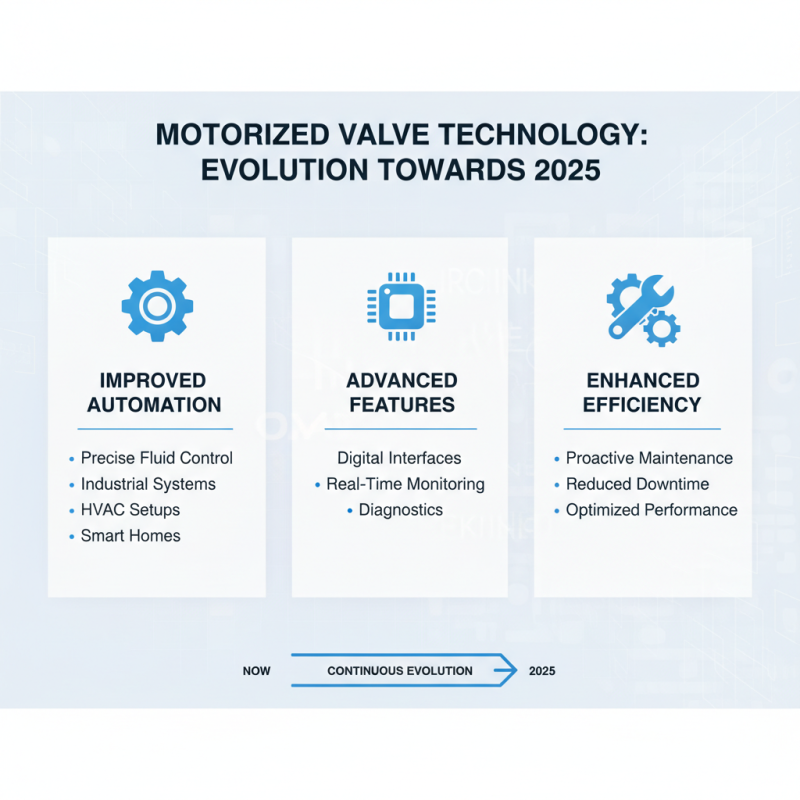
As we approach 2025, the landscape of motorized valve technology continues to evolve, integrating advanced features that enhance performance and efficiency across various applications. Current technologies focus on improved automation, allowing for more precise control of fluid flow in industrial systems, HVAC setups, and smart home environments. These motorized valves are now equipped with digital interfaces that provide real-time monitoring and diagnostics, contributing to proactive maintenance and reduced downtime.
Furthermore, the advent of smart technologies has introduced connectivity options such as IoT integration, enabling users to manage their systems remotely. This shift not only optimizes operational efficiency but also strengthens sustainability efforts by reducing energy consumption through intelligent load management. As manufacturers innovate, features like fail-safe mechanisms and energy-efficient designs are becoming standard, making it crucial for businesses to assess their specific needs when selecting motorized valves. Understanding these technologies will pave the way for informed decisions that align with operational goals and resource management strategies.
Key Features to Consider When Selecting Motorized Valves
When selecting motorized valves for 2025, several key features must be considered to ensure optimal performance and reliability. The first critical element is the valve type. According to a recent industry analysis published by Research and Markets, the global market for motorized valves is projected to grow significantly, with demand for ball valves and globe valves expected to rise by over 30% due to their efficiency and ease of control. Choosing the right type depends on the specific application, such as fluid type, pressure requirements, and temperature ranges.
Another important aspect is the actuator type. The choice between electric, pneumatic, or hydraulic actuators can greatly affect the valve's performance. A report by MarketsandMarkets indicates that electric actuators are dominating the market, with a CAGR of 6.5% anticipated over the next five years, primarily due to their precision and low maintenance costs. Additionally, understanding the control system compatibility is crucial, as various applications may require different control signals and integration capabilities. Evaluating these features in conjunction with industry-specific needs will ensure that you choose the most suitable motorized valve for your requirements in 2025.
Top Motorized Valves for 2025 - Key Features to Consider When Selecting Motorized Valves
| Valve Type |
Actuation Type |
Voltage |
Body Material |
Flow Capacity (CV) |
Temperature Range (°C) |
Applications |
| Globe Valve |
Electric |
24V |
Stainless Steel |
40 |
-20 to 200 |
Water Supply, HVAC |
| Ball Valve |
Pneumatic |
100-120V |
Brass |
50 |
-10 to 150 |
Oil, Gas Distribution |
| Butterfly Valve |
Electric |
220V |
PVC |
30 |
0 to 60 |
Chemical Processing |
Comparative Analysis of Leading Motorized Valve Brands for 2025
As we approach 2025, the motorized valve market is set to experience significant advancements, driven by automation and IoT integration. According to a recent report by MarketsandMarkets, the global motorized valve market is projected to grow from $5.2 billion in 2021 to $7.8 billion by 2026, at a compound annual growth rate (CAGR) of 8.5%. This surge is primarily attributed to the increasing demand for HVAC systems and water management solutions across various industries.
In comparative analyses of leading motorized valve brands, three companies consistently emerge as frontrunners: Belimo, flowserve, and Honeywell. Belimo, known for its innovative actuator technology, reported in 2022 that over 90% of its products are equipped with energy-efficient features that reduce operational costs. Flowserve, with their extensive range of industrial valve solutions, emphasizes durability and reliability, offering products with a mean time between failures (MTBF) of up to 150,000 hours. Meanwhile, Honeywell integrates cutting-edge smart technology, allowing for remote monitoring and control, which can enhance operational efficiency by up to 30%, according to internal data. Assessing these brands is crucial for making informed decisions tailored to specific operational needs in diverse applications.
Applications and Industry Standards for Motorized Valves
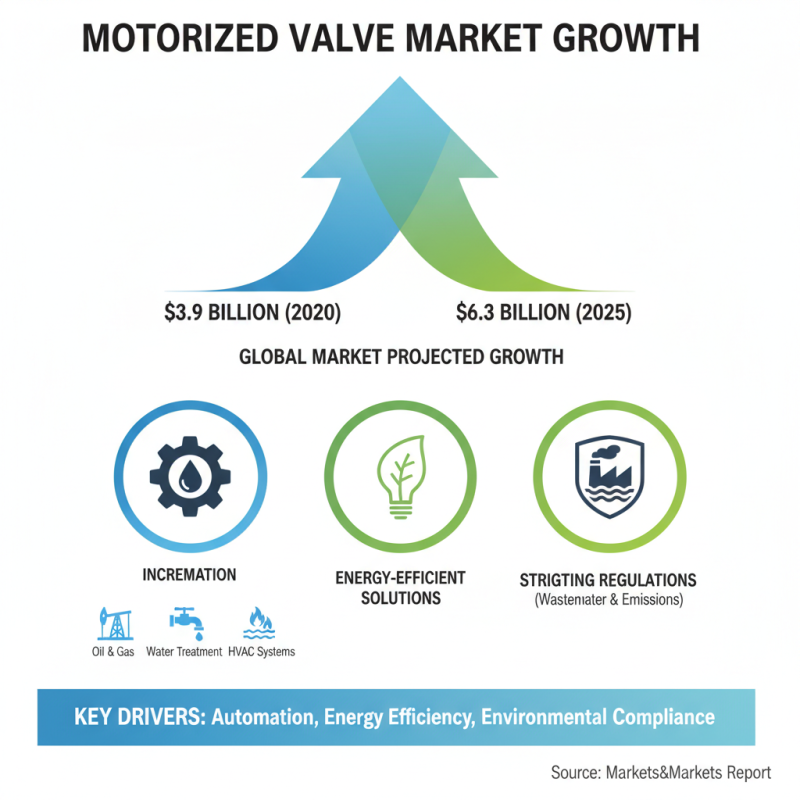
Motorized valves play a crucial role in various industrial applications, ensuring efficient and precise control of fluid flow. According to a report by MarketsandMarkets, the global motorized valve market is projected to grow from $3.9 billion in 2020 to $6.3 billion by 2025, driven by increasing automation in industries such as oil and gas, water treatment, and HVAC systems. The rising demand for energy-efficient solutions and the implementation of stringent regulations concerning wastewater and emissions are propelling the adoption of these advanced valves.
In terms of industry standards, motorized valves must comply with specific guidelines to ensure safety and reliability. The American Society of Mechanical Engineers (ASME) and the International Organization for Standardization (ISO) set forth crucial standards that govern the design and operation of these valves. For example, valve testing standards outlined in ASME B16.34 provide critical benchmarks for manufacturers. Understanding and adhering to these standards is essential for industries looking to maximize operational efficiency while minimizing risks associated with valve failures. As we move towards 2025, selecting the right motorized valve will hinge on both application requirements and compliance with established industrial standards.
Future Trends in Motorized Valve Technology and Innovations
Motorized valves are crucial components across various industries, and as we look towards 2025, several trends and innovations are emerging that promise to enhance their functionality and efficiency. One prominent trend is the integration of advanced automation technologies, allowing for more precise control and monitoring capabilities. This shift will enable industries to achieve higher efficiency levels and reduce energy consumption, aligning with global sustainability goals.
Additionally, the increasing importance of data analytics in valve systems can’t be overlooked. Smart motorized valves equipped with IoT capabilities will facilitate real-time data collection and predictive maintenance, ultimately minimizing downtime and maintenance costs. This is particularly significant within the automotive sector, where the demand for improved thermal management and fluid control solutions is rising due to the acceleration of electric mobility and the need for innovative cooling systems for lithium-ion batteries.
As manufacturers embrace these technological advancements, the focus will also be on improving safety and reliability in valve design. This proactive approach is expected to bolster market growth and offer tailored solutions that meet the evolving needs of various applications, ensuring that motorized valves remain integral to industrial and automotive innovations moving forward.
Top Motorized Valves for 2025: Performance Comparison