Choosing the right stainless steel check valve in 2026 requires more than comparing price, pressure ratings, and delivery dates. Global buyers must match valve design with fluid behavior, temperature, installation direction, and maintenance conditions. A valve used in a clean-water line may fail in a chemical process. Small details matter.
This guide examines the leading stainless steel check valve types for international projects, including swing, lift, wafer, dual-plate, spring-loaded, and ball check designs. Each type offers a different balance of flow efficiency, sealing performance, installation space, and service life. Practical selection begins with the medium. It continues with pressure class, connection standard, and operating temperature. It should end with verified documentation.
Material grade also deserves careful attention. Stainless steel 304 may suit many general applications, while 316 or higher-alloy options can provide stronger resistance in chloride-rich environments. Yet no grade is universally best. That assumption can fail.
Experienced buyers should review test reports, pressure ratings, dimensional drawings, traceability records, and manufacturer quality systems. Certifications may support confidence, but they do not replace technical verification. Ask for evidence.
The 2026 market also brings more focus on compact designs, low-pressure cracking performance, automation compatibility, and lower lifecycle costs. However, online specifications can be incomplete or inconsistent. Compare them carefully. This overview provides a practical framework for engineers, distributors, and procurement teams seeking reliable valve choices across global supply chains. It highlights common advantages, overlooked limitations, and questions worth asking before purchase. Mistakes still happen, especially when site conditions are assumed rather than measured. Therefore, careful evaluation remains essential.
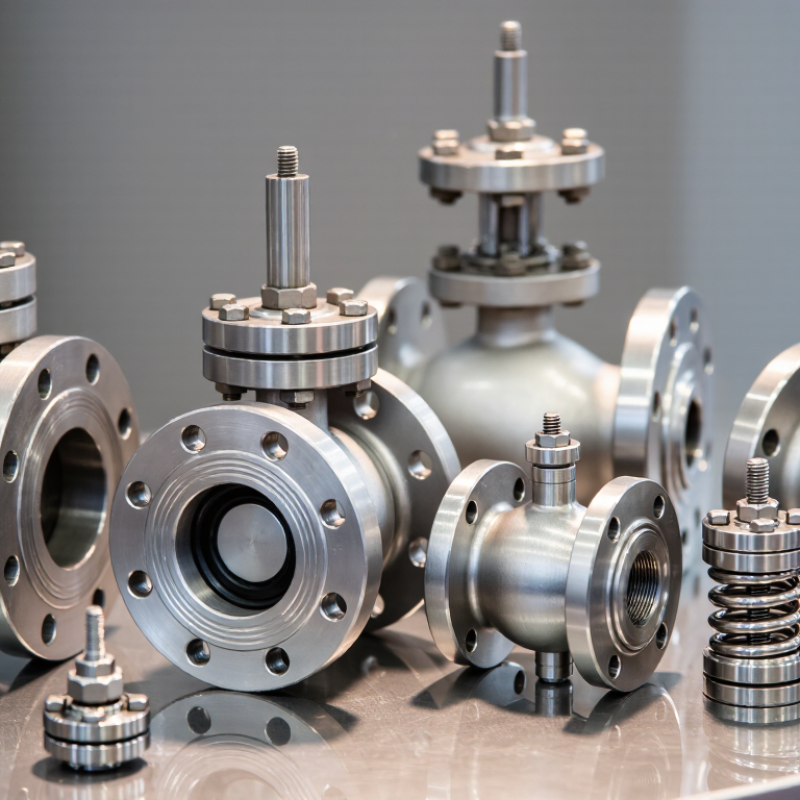
Stainless steel check valves allow fluid to move in one direction and stop reverse flow. Their body usually contains a disc, spring, hinge, or guided piston. Forward pressure opens the closure element. Reverse pressure pushes it against the seat. No external actuator is required. This simple action protects pumps, pipelines, and process equipment from backflow.
Common types include swing, lift, spring-loaded, and dual-plate designs. Swing valves suit steady, horizontal flow with moderate pressure loss. Lift valves provide controlled movement but need cleaner fluid conditions. Spring-loaded valves close quickly, reducing reverse flow risks. Dual-plate valves are compact and useful where installation space is limited. ASME B16.34 supports pressure-temperature design requirements, while API 594 covers many wafer and lug check valve applications. ISO 5208 provides leakage-testing methods. These standards help, but selection still depends on fluid, temperature, velocity, and installation direction.
Tips: Confirm the cracking pressure before ordering. Check whether the valve can handle vertical flow. Oversizing may cause weak disc movement and unstable operation. Undersizing can create excessive pressure loss. Grand View Research estimated the global industrial valves market at about USD 79 billion in 2023, with continued growth through 2030. That expansion increases demand for reliable stainless steel flow control. Still, a check valve is not maintenance-free. Seat wear, debris, and water hammer can shorten service life. Field inspection often reveals problems that catalog data misses.
Stainless steel check valves protect pipelines from reverse flow, but their designs suit different operating conditions. Swing check valves use a hinged disc and work well in horizontal water, air, and process lines. They need enough flow to open fully. At low flow, the disc may chatter.
Lift check valves guide a piston or disc vertically. Their compact flow path handles higher pressure effectively, especially in clean liquid systems. Spring-loaded versions close faster and reduce backflow during pump shutdowns. Dual-plate check valves use two spring-assisted plates, making them lighter than many swing designs. Their short face-to-face length helps when space is limited.
Wafer models fit between pipeline flanges and reduce installation weight. Lug-style bodies allow easier removal in some maintenance layouts. Stainless steel 304 often suits general water service, while 316 offers stronger resistance against chlorides and many chemical environments. Material selection still depends on concentration, temperature, and exposure time. “Stainless” is not automatically corrosion-proof.
Global buyers should check pressure class, end connection, seal material, cracking pressure, and installation direction. A small arrow on the body must match the flow. In field inspections, incorrect orientation remains a surprisingly common error. I have also seen buyers choose a valve by pipe size alone, then face noisy closing because velocity was ignored. That shortcut looks efficient, but it can create maintenance problems. Testing documents, dimensional drawings, and applicable international standards provide stronger purchasing evidence than catalog images.
Material selection begins with the fluid, temperature, and corrosion risk. Stainless steel 304 suits clean water and many general services. Stainless steel 316 offers better resistance to chlorides and coastal exposure. Duplex stainless steel supports higher strength in demanding environments.
Body material alone is not enough. Seats may use metal, PTFE, or reinforced polymers. Each choice changes leakage performance and temperature limits. Swing, lift, wafer, and dual-plate designs suit different flow conditions. A lift valve can respond quickly, but it may create greater pressure loss.
Pressure ratings require careful reading. Class 150 and Class 300 are common ASME categories. PN16 and PN40 follow metric European practice. These labels are not directly interchangeable. Actual allowable pressure falls as temperature rises. The manufacturer’s pressure-temperature table should be checked for every order.
Cracking pressure also matters in low-flow lines. Too much spring force can restrict flow. Too little force may delay closure. That detail is often missed.
Connection standards must match the complete piping system. Flanged valves may follow ASME B16.5 or EN 1092-1. Threaded ends can use NPT or ISO 7-1 profiles. Welded ends need compatible dimensions and qualified procedures. Measure face-to-face length before replacement.
It sounds basic. Yet site errors still occur. I have seen correctly rated valves fail during installation because the flow arrow was ignored.
Buyers should verify certificates, test records, gasket materials, and inspection requirements. Standards improve reliability, but they do not replace practical checking.
Selecting the right stainless steel check valve starts with the medium, not the catalog photo. MarketsandMarkets’ 2024 Industrial Valves Market report estimates growth from USD 78.6 billion in 2024 to USD 97.1 billion by 2029. That expansion reflects stricter process control and more demanding fluid systems.
Choose a swing check valve for steady, low-velocity flow. Choose a lift or spring-loaded wafer valve when space is limited. For vertical pipelines, confirm the valve’s installation direction.
Material selection needs equal attention. Stainless steel 316 usually resists chlorides better than 304. However, temperature, concentration, and cleaning chemicals can change the result. Check the pressure class, operating temperature, connection size, and cracking pressure. A valve that opens too late can starve a pump. One that closes too slowly may create water hammer. Small details matter.
Testing documents provide practical confidence. ISO 5208 and API 598 define pressure and leakage testing methods. Request material certificates, test reports, and traceability records, preferably with EN 10204 3.1 documentation.
In real projects, incorrect sizing remains a frequent failure point. A larger valve is not automatically safer. I have seen specifications focus on body material while ignoring reverse-flow speed. That choice deserves review. Ask for flow coefficients, allowable back pressure, and maintenance access before approval. A clean-looking valve can still be the wrong valve.
For global buyers, stainless steel check valve selection starts with service conditions, not catalog photos.
Swing check valves suit steady pipelines with moderate flow reversal. Wafer and dual-plate designs save space between flanges. Lift check valves can offer precise closing in smaller, cleaner systems.
Ask about fluid temperature, pressure class, installation direction, and expected cycling frequency. A valve that performs well in water service may fail early in corrosive chemical duty.
Quality evidence should be specific.
Request the stainless steel grade, heat number, chemical composition, and material traceability documents. Review pressure test records, leakage results, and dimensional inspection reports.
Certificates should come from competent, recognized bodies and match the actual product, factory, and applicable market requirements. Check certificate scope and expiry dates.
Paperwork alone is not proof.
Look closely at supplier evaluation. A reliable manufacturer should explain casting, machining, welding, surface treatment, and final inspection without vague answers.
During a factory audit, inspect gasket storage, calibration labels, and sample valve markings. Ask for production photos or an independent pre-shipment inspection.
Small details matter.
In practice, polished surfaces can hide poor internal finishing, while perfect documents may contain copied test data.
I have seen buyers focus heavily on price and regret ignoring spare parts, lead times, and after-sales communication. That judgment deserves a second look before purchase orders are released.