How to Choose Electric Valve Actuators for Your Business Needs?
Choosing the right electric valve actuators is crucial for any business relying on fluid control systems. These devices play a significant role in managing the flow of liquids and gases. However, selecting the appropriate actuator isn't always straightforward. Numerous factors should be considered to ensure optimal performance and efficiency.
Electric valve actuators come in various types, each designed for specific applications. Understanding your operational needs is essential. Factors like torque requirements, response time, and environmental conditions can greatly impact your selection. Many businesses overlook these details, leading to inefficiencies later on. Additionally, the integration of actuators with existing systems may pose unexpected challenges, underscoring the need for thorough planning.
When making a decision, consulting experts can provide valuable insights. They can help identify suitable options based on your unique situation. Staying informed about advancements in actuator technology can also enhance your choices. Relying on outdated information could hinder your ability to adapt, highlighting the importance of continual learning and adaptation in this evolving field.
Understanding Different Types of Electric Valve Actuators and Their Functions
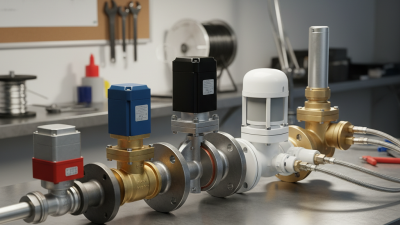
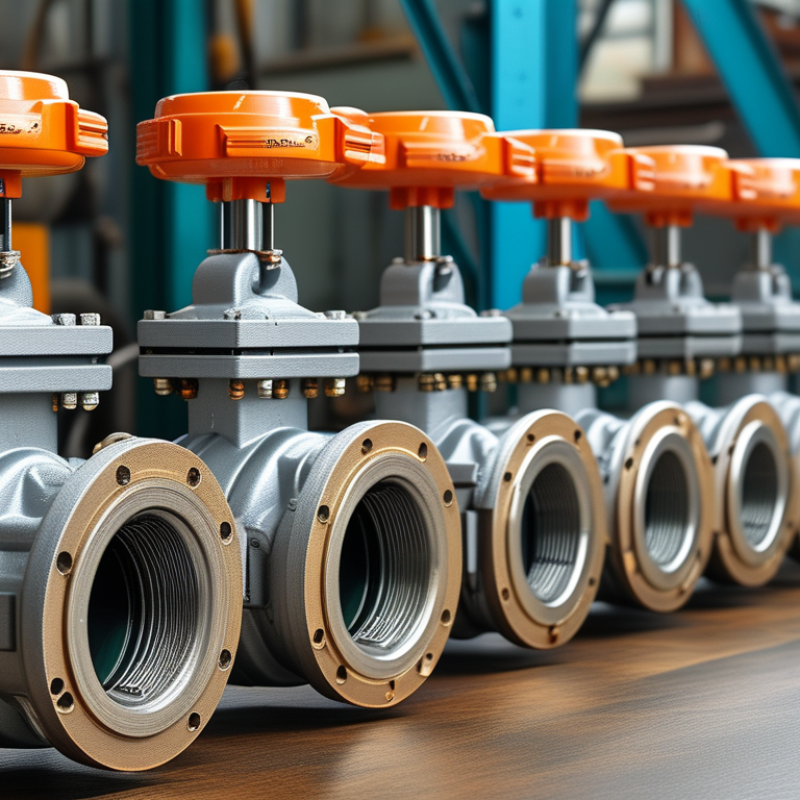
Electric valve actuators come in various types, each with distinct functions. Understanding these differences is crucial for making an informed choice. For instance, electric motor actuators use electric energy to operate valves. They offer accurate positioning and quick response times, making them ideal for process control. These actuators can handle a range of valve sizes and types, from simple on-off valves to complex modulating valves.
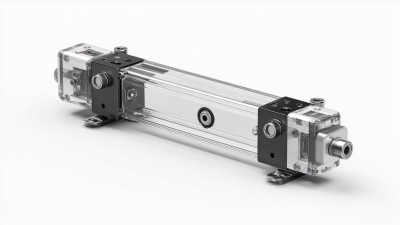
Another common type is the linear actuator. This actuator converts rotary motion into linear motion. They are typically used for applications that require precise control over valve position. Their design can accommodate different load capacities, which is advantageous for various industrial applications. However, selecting the right actuator requires considering the specific requirements of your system and environmental conditions, such as humidity or temperature.
When choosing an electric actuator, it is essential to reflect on the system's entire lifecycle. For example, maintenance needs can impact long-term reliability. Some operators may overlook this aspect, leading to unforeseen downtimes. Researching and evaluating options based on your specific business needs will ensure optimal performance and efficiency in the long run.
How to Choose Electric Valve Actuators for Your Business Needs?
| Actuator Type |
Function |
Best Use Cases |
Advantages |
Disadvantages |
| Linear Actuator |
Provides linear motion for valve operation |
Applications requiring precise positioning |
High precision and accuracy |
Can be slower than other types |
| Rotary Actuator |
Offers rotary motion for valve operation |
Common in quarter turn valves |
Fast operation and compact design |
Limited to rotational movement |
| Multi-turn Actuator |
Operates valves that require multiple turns |
Applications with gate or globe valves |
Powerful torque output |
Slower compared to rotary actuators |
| Fail-Safe Actuator |
Automatically moves to a safe position in case of failure |
Critical safety applications |
Enhances safety and reliability |
May require more maintenance |
| Smart Actuator |
Features integrated controls and diagnostics |
Automated systems and remote monitoring |
Advanced control and efficiency |
Higher initial cost |
Key Factors to Consider When Selecting Electric Valve Actuators
When selecting electric valve actuators, several key factors should guide your decision. Reliability is paramount. According to a recent report by the International Society of Automation, actuators can face a failure rate of nearly 7%. Choosing actuators with robust designs and solid manufacturer reputations can significantly reduce downtime.
Power requirements play a critical role in actuator selection. Electric actuators typically require consistent and specific voltage levels. A mismatch can lead to inefficient operations or equipment damage. Energy efficiency is another concern. The U.S. Department of Energy reported that energy costs can account for up to 30% of operational expenses. Selecting energy-efficient models can lead to better long-term savings.
Environmental conditions cannot be overlooked. Actuators must withstand specific temperatures, humidity, and corrosive materials. For instance, actuators in chemical plants must meet stringent standards. The harsh conditions can affect performance and longevity. Inspecting certifications can ensure the actuators are fit for their intended environment. While initial costs may be high, the benefits of durable and efficient actuators often outweigh the upfront expense.
Comparative Analysis of Industry Standards for Electric Valve Actuators
When selecting electric valve actuators, understanding industry standards is crucial. Actuators vary greatly in design and functionality. They must comply with specific standards, ensuring reliability and performance across different applications. The International Electrotechnical Commission (IEC) and other organizations offer guidelines that manufacturers follow. This creates a baseline for safety and efficiency.
The comparative analysis of these standards reveals key differences. Some designs prioritize energy efficiency, while others focus on speed and response time. Performance metrics, such as torque and duty cycle, are essential to consider. Look for actuators that meet your specific operational needs and environmental conditions. Understanding these factors can guide you in making informed choices.
Be aware that adhering to standards does not guarantee optimal performance in every situation. Manufacturers might interpret guidelines differently. Regular maintenance remains crucial for all systems. Outdated devices may not meet the latest criteria, impacting their functionality. Continuous evaluation of your actuator choices can lead to better decisions over time.
Evaluating Performance Metrics: Torque, Speed, and Control in Actuators
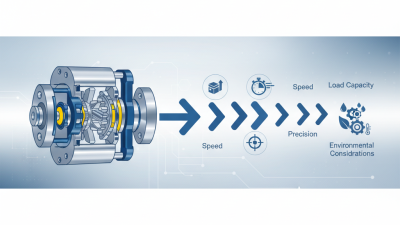
When selecting electric valve actuators, evaluating torque, speed, and control is crucial. Torque indicates the ability to open and close a valve effectively. High torque is essential for larger valves or those with significant pressure differentials. On the other hand, underestimating torque needs could lead to inefficiencies and system failures. It’s necessary to match the actuator's torque rating with your specific application requirements.
Speed is another vital metric. Faster actuators can improve overall system responsiveness, especially in critical applications. However, higher speeds can also lead to wear and tear on the valve and actuator. A balance must be struck. Slower actuators might provide more control but could delay operations in dynamic processes. Evaluating the specific demands of your system is essential here.
Control capabilities impact how precisely an actuator responds to commands. Some applications require precise adjustments, while others can tolerate a wider margin for error. This evaluation is often overlooked, but the actuator's control responsiveness can affect product quality. Addressing these factors ensures efficient performance and longevity. Each business will have unique needs, and personalizing your actuator choice will yield the best results.
Electric Valve Actuator Performance Metrics
Cost-Benefit Analysis: Initial Investment vs. Long-Term Savings in Automation
When considering electric valve actuators, analyzing their costs and benefits is crucial. The initial investment can be significant. However, understanding the long-term savings they bring is essential for making an informed decision. Many businesses overlook this aspect.
Automation enhances operational efficiency. It reduces labor costs and minimizes human error. As a result, companies notice a decrease in downtime. Knowledgeable businesses evaluate the payback period. For some, it may take longer than expected. In such cases, careful planning is necessary.
Maintenance costs also play an essential role. Electric actuators often require less maintenance than traditional systems. This can lead to further savings over time. However, businesses should not underestimate the need for periodic check-ups. Balancing immediate expenses and long-term benefits remains essential. Making informed choices is not always straightforward. It's crucial to weigh all factors thoroughly.