
Blog
China Best Actuator Valve Manufacturers How to Choose?
Choosing among China’s best actuator valve manufacturers requires more than comparing prices, product photos, or impressive factory claims. An actuator valve must match the process, not merely the pipeline size. Mohinder L. Nayyar, P.E., a respected piping engineer and author, states, “A valve must be selected for the service, not merely for the line size.” That principle remains practical today.
A reliable evaluation begins with torque calculations, operating pressure, temperature, fluid composition, and cycling frequency. Ask whether the manufacturer tests actuator output under realistic load conditions. Look for documented fail-safe performance, enclosure protection, corrosion-resistant materials, and clear compatibility data. A useful factory should provide inspection records, serial-number traceability, and calibration reports. Its engineers should explain their choices without hiding behind vague specifications.
Pay attention to small details. A readable nameplate matters. So does a clean test bench, properly sealed cable entry, and consistent machining on the valve stem. Certifications can support trust, but they do not replace engineering evidence. International standards, application references, warranty terms, spare parts, and after-sales response deserve equal attention.
No supplier is perfect. Some factories communicate well but offer limited customization. Others produce strong hardware but respond slowly after shipment. That weakness is easy to overlook. It should not be. The best actuator valve manufacturer is the one that demonstrates repeatable quality, understands your operating conditions, and accepts technical questions before signing the order. A careful buyer may request samples, witness testing, and independent verification. That extra effort can prevent expensive failures in the field.
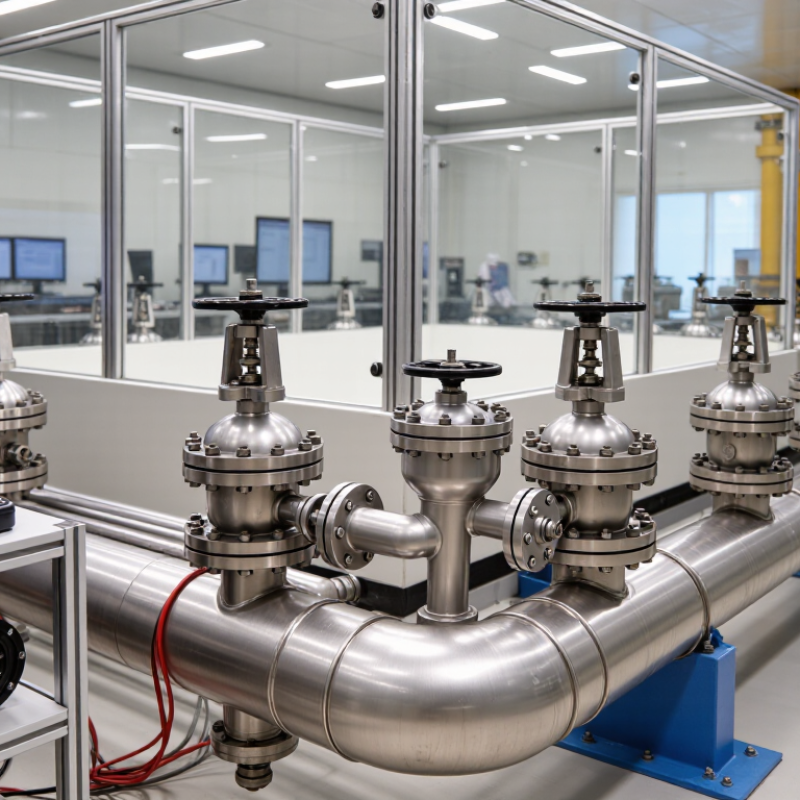
Classify Actuated Valves by Media, Pressure, Temperature, and Control Duty
China Best Actuator Valve Manufacturers: How to Choose?
Actuated valves should be classified by the media they handle. Clean water, steam, oil, and corrosive chemicals need different valve bodies and seals. Check compatibility charts, not only product photos. A butterfly valve may suit cooling water, while a lined diaphragm valve can better protect against aggressive media. I have seen projects fail because the seal material was chosen from habit.
Pressure and temperature define the valve’s real operating window. Compare working pressure, shutoff pressure, and temperature limits with actual site conditions. Steam service may require metal seats, suitable packing, and thermal expansion allowances. Cold service can make ordinary elastomers brittle. Ask manufacturers for pressure-test records, material certificates, and leakage data. Small details matter.
Control duty also changes the actuator selection. On-off isolation needs a different actuator from frequent modulating control. Confirm cycle frequency, fail position, response time, and available air or electrical power. For hazardous or wet areas, verify the enclosure and protection ratings. A reliable manufacturer should explain torque calculations and provide sizing documents. Do not accept “standard size” without checking valve breakaway torque. That shortcut is tempting. It can be expensive. Evaluate factory testing, engineering support, spare-part access, and delivery consistency before comparing price. Even experienced buyers can miss installation orientation or maintenance space. A site review helps expose those gaps.
China Best Actuator Valve Manufacturers How to Choose? - Classify Actuated Valves by Media, Pressure, Temperature, and Control Duty
A practical selection matrix for choosing an actuated valve according to process media, pressure class, temperature range, operating frequency, and control requirements.
| Process Category | Typical Media | Recommended Valve Type | Preferred Actuator | Typical Pressure Range | Typical Temperature Range | Control Duty | Selection Requirements |
|---|---|---|---|---|---|---|---|
| Clean Water and HVAC | Chilled water, cooling water, treated water, glycol-water mixtures | Butterfly valve Ball valve for small and medium bore sizes |
Electric or pneumatic quarter-turn actuator | Usually PN 6 to PN 25; ANSI Class 150 is common | Approximately 0 to 120°C, depending on seat and seal materials | Isolation, two-position control, or modulating flow control | Use EPDM for water service. Verify glycol concentration, shaft torque, shutoff rating, and valve authority for modulating applications. |
| Compressed Air and Inert Gas | Instrument air, plant air, nitrogen, argon | Ball valve Butterfly valve for larger pipe sizes |
Pneumatic actuator with solenoid valve and position feedback | Commonly 0.5 to 16 bar operating pressure; valve body ratings may be higher | Approximately -20 to 120°C for standard elastomer seats | Fast on/off service; modulating control when fitted with a positioner | Specify leakage class, dry and clean gas requirements, actuator spring-return action, and fail-open or fail-closed behavior. |
| Steam and Condensate | Saturated steam, superheated steam, hot condensate | Globe valve for throttling Ball valve for isolation |
Pneumatic diaphragm or piston actuator; electric actuator for selected duties | Commonly PN 16 to PN 40; ANSI Class 150 to Class 300 are widely used | Approximately 150 to 400°C, subject to body, trim, packing, and seat selection | Frequent throttling, temperature control, pressure reduction, and isolation | Use a metal-seat design where required. Check steam pressure-temperature rating, erosion risk, flashing, noise, and actuator thrust. |
| High-Temperature Thermal Oil | Mineral-based or synthetic heat-transfer oil | Ball valve for isolation Globe valve for controlled flow |
Electric or pneumatic actuator with high-temperature extension or heat shield | Often 6 to 25 bar, depending on system design and fluid temperature | Approximately 150 to 350°C; some specialty systems operate above this range | Isolation and moderate-frequency flow regulation | Confirm fluid compatibility, stem sealing, packing temperature, thermal expansion, fire-safe requirements, and actuator ambient temperature. |
| Corrosive Chemicals | Acids, alkalis, oxidizing chemicals, solvents, and chemical mixtures | Lined butterfly valve Diaphragm valve or lined ball valve |
Pneumatic actuator is often preferred in hazardous areas; electric actuator may be used with suitable certification | Typically PN 6 to PN 16; pressure rating depends strongly on lining and temperature | Approximately -20 to 150°C, depending on lining and diaphragm material | Isolation, dosing, and low-to-medium frequency control | Check chemical-resistance charts for the body lining, diaphragm, seat, stem, and fasteners. Consider double containment and leakage detection for hazardous fluids. |
| Abrasive Slurry | Mining slurry, cement slurry, ash-water mixtures, mineral concentrates | Slurry knife gate valve Pinch valve for suitable pressure and temperature conditions |
Pneumatic or hydraulic actuator for high breakaway torque; electric actuator for controlled installations | Commonly 4 to 25 bar; higher ratings require application-specific designs | Generally 0 to 120°C, depending on elastomer and lining material | Isolation; limited throttling unless the valve is specifically designed for it | Specify particle size, solids concentration, velocity, abrasion index, cycle frequency, seat material, and actuator torque margin. |
| Food, Beverage, and Hygienic Process | Milk, water, juice, edible oils, syrups, and cleaning solutions | Sanitary butterfly valve Sanitary diaphragm valve or hygienic ball valve |
Pneumatic actuator with hygienic feedback system; electric actuator for low-cycle applications | Usually 6 to 16 bar for process lines; verify pressure during cleaning cycles | Approximately 0 to 150°C, including selected hot-water or clean-steam cycles | Frequent cycling, diverting, filling, batching, and clean-in-place control | Require hygienic surface finish, drainability, approved elastomers, suitable connections, minimal dead volume, and resistance to cleaning chemicals. |
| Vacuum Service | Vacuum air, process gas, solvent vapor, and vacuum-dried products | Vacuum butterfly valve Vacuum ball valve for tight shutoff |
Electric or pneumatic quarter-turn actuator | From atmospheric pressure down to the specified vacuum level; leakage rate must be defined | Approximately -40 to 150°C for common designs, subject to seals and materials | Isolation, chamber evacuation, venting, and pressure regulation | Specify allowable leak rate, outgassing limits, seat material, shaft sealing, conductance, and whether the service is rough, medium, or high vacuum. |
| Flammable Gas and Hazardous Area | Natural gas, biogas, hydrogen blends, LPG vapor, and process hydrocarbons | Fire-safe ball valve High-performance butterfly valve for suitable services |
Pneumatic actuator with certified solenoid, limit switch, and position monitoring | Commonly ANSI Class 150 to Class 600; exact rating depends on line size and design code | Approximately -29 to 180°C for many standard designs; verify material-specific limits | Emergency shutdown, isolation, blowdown, and occasional modulation | Define hazardous-area classification, fire-safe certification, fugitive-emission requirements, antistatic continuity, fail position, and emergency closing time. |
| High-Pressure Liquid | Hydraulic oil, high-pressure water, process chemicals, and liquid hydrocarbons | Forged or cast ball valve Globe valve for high-pressure throttling |
Hydraulic, pneumatic piston, or high-torque electric actuator | ANSI Class 300 to Class 2500 in specialized systems | Approximately -46 to 200°C, depending on pressure class, materials, and seals | Isolation, emergency shutdown, and controlled pressure or flow reduction | Calculate breakaway and running torque, account for differential pressure, verify body and trim ratings, and include an adequate actuator safety factor. |
| Cryogenic Service | Liquid nitrogen, oxygen, argon, LNG, and other liquefied gases | Cryogenic globe valve Cryogenic extended-bonnet ball valve |
Pneumatic or electric actuator mounted away from the cold zone | Commonly PN 16 to PN 100 or ANSI Class 150 to Class 600 | Approximately -196 to -80°C, depending on the cryogenic medium | Isolation, transfer control, pressure control, and emergency shutdown | Specify extended bonnet length, material toughness, seat behavior at low temperature, oxygen cleanliness where applicable, and external ice prevention. |
| Precision Modulating Control | Water, steam, gas, chemicals, and other clean process fluids | Globe control valve Segmented ball or eccentric plug valve |
Pneumatic diaphragm actuator with digital positioner; electric actuator for selected loops | Typically PN 16 to PN 100; pressure drop must be calculated for each application | Approximately -40 to 400°C, depending on trim, packing, and body materials | Continuous modulation, split-range control, cascade loops, and pressure or temperature control | Calculate Cv or Kv, select an appropriate inherent characteristic, check cavitation and noise, and specify positioner accuracy and air-failure action. |
| On-Off Isolation and Emergency Shutdown | Process liquids, gases, steam, and utility fluids | Ball valve Butterfly valve or gate valve according to size and pressure |
Quarter-turn pneumatic actuator for rapid operation; electric actuator for controlled travel time | From low-pressure utility service to high-pressure process service | Based on valve body, seat, packing, and process temperature ratings | Low-cycle or emergency operation with defined opening and closing time | Define fail-open, fail-closed, or fail-in-place action; verify torque at minimum and maximum differential pressure and provide reliable limit feedback. |
| High-Cycle Automated Service | Water, air, gas, light oils, and clean process fluids | Ball valve Butterfly valve for larger diameters |
Pneumatic rack-and-pinion actuator for rapid cycling; electric actuator for slower, controlled cycles | Commonly PN 10 to PN 40, with higher ratings available for suitable valve designs | Approximately -20 to 150°C for common seat and seal combinations | Thousands to millions of cycles, depending on valve design and maintenance schedule | Check cycle life, actuator duty rating, solenoid service life, cushion adjustment, stem alignment, seat wear, and availability of position feedback. |
Note: Pressure and temperature values are indicative application ranges, not universal valve limits. Final selection must be confirmed against the applicable pressure-temperature chart, material compatibility data, piping code, leakage class, actuator torque or thrust calculation, hazardous-area requirements, and the complete operating cycle.
Related Posts
-
China Top Actuator Valve Manufacturers for Global Buyers
-
Understanding Motorized Valves: Essential Components for Efficient Fluid Control Systems
-
Revolutionizing Industrial Automation with Cutting-Edge Pneumatic Valve Actuators
-
How to Choose the Right Pneumatic Valve Actuator for Your Application
-
How to Choose the Right Pneumatic Valve Actuator for Your Needs?
-
Top Motorized Valves for 2025 Which One is Right for Your Needs