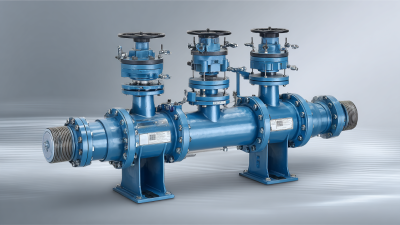
Choosing a pneumatic butterfly valve is rarely as simple as selecting the lowest-cost body. In a food-processing line, a compact wafer valve may fit between narrow flanges. In a wastewater plant, a resilient-seated lug valve may offer easier maintenance and dependable isolation. These differences explain why “the top 10” cannot mean one universal ranking. Service conditions decide practical value.
This guide examines ten widely used pneumatic butterfly valve types, including wafer, lug, flanged, high-performance, and triple-offset designs. It considers body construction, seat materials, pressure class, temperature range, flow behavior, and actuator requirements. Real selection also depends on air quality, control frequency, installation space, and the consequences of leakage. A valve that performs smoothly during commissioning may respond poorly when moisture enters an unfiltered air line. Small details matter.
The discussion follows engineering practice and manufacturer data, while recognizing that catalog ratings require verification. Check media compatibility, shaft torque, flange standards, fail position, and inspection records before approval. Do not treat a familiar design as automatically suitable. That shortcut fails. Some comparisons may remain imperfect because operating data varies between facilities. Still, the ten types provide a practical starting point for engineers, maintenance teams, and purchasing specialists. With careful review, readers can connect each design to a clear application rather than choosing by appearance or price alone.
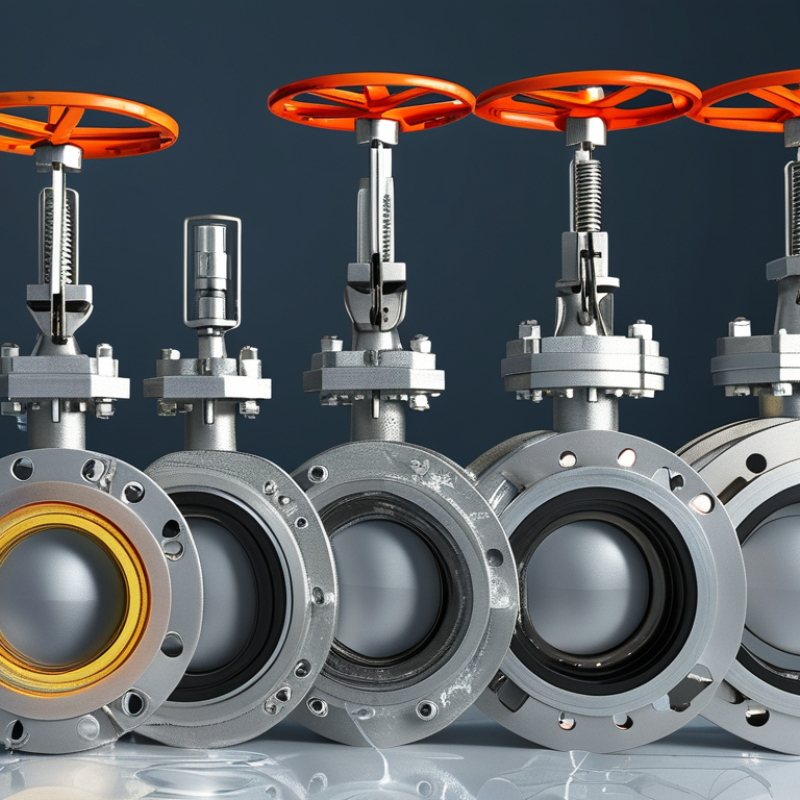
Pneumatic butterfly valves use compressed air to rotate a disc through a quarter turn. The actuator moves the stem, while the disc opens, throttles, or blocks flow. In practice, the valve responds quickly and needs little installation space. A double-acting actuator uses air for both directions. A spring-return actuator uses air for one direction and springs for the other.
The top ten common types include wafer, lug, flanged, double-flanged, concentric, eccentric, high-performance, resilient-seated, metal-seated, and sanitary butterfly valves. Their operating principles remain similar, but sealing and pressure performance differ. A concentric valve suits many general services because its stem and disc share one centerline. An eccentric design reduces seat contact during movement. Metal seats tolerate greater heat, though they may not provide the tightest low-pressure seal. The categories can overlap. That part is easy to misunderstand.
Tips: Check pressure, temperature, media, and actuator torque together. Confirm the fail-open or fail-closed position before installation. Keep the disc clear of nearby pipe welds. I always inspect alignment twice; small errors can increase seat wear. Air quality matters too. Wet or dirty air may damage actuator components. No selection is perfect. A valve that performs well in clean water may struggle with abrasive slurry. Test the full stroke after mounting, and listen for uneven movement or delayed response.
Among the top ten pneumatic butterfly valve types, wafer-style and lug-style designs are common choices for compact process piping. A wafer valve fits between two pipe flanges and uses shared bolts to hold the assembly together. Its slim body reduces weight, installation space, and material cost. This makes it practical for water treatment, HVAC lines, and general utility service. The disc rotates on a quarter-turn shaft, while the pneumatic actuator provides fast, repeatable movement.
Lug-style valves use threaded inserts or lugs around the body. Each flange can be bolted independently. That detail matters during maintenance. Operators can remove one pipe section without disturbing the opposite side, provided the valve rating and installation method allow it. Lug designs often suit dead-end service, tank isolation, and sections requiring controlled dismantling. However, not every lug valve is suitable for end-of-line pressure. The engineering data must confirm it.
In field inspections, seal condition, shaft alignment, air pressure, and actuator sizing usually decide performance. A wafer valve may be efficient, but poor flange alignment can damage its seat. A lug valve may offer easier servicing, yet its threaded hardware needs careful torque control. For corrosive or abrasive media, verify disc, seat, and body materials against actual operating conditions. Selection is rarely perfect on the first pass. Temperature changes, cycling frequency, and access space can expose assumptions that looked reasonable on paper.
The chart compares typical maximum pressure classes commonly available for major pneumatic butterfly valve configurations. Wafer-style valves are compact and economical for installation between flanges, while lug-style valves use threaded lugs for independent pipeline isolation. Actual pressure ratings depend on the valve standard, body material, disc design, seat material, temperature, and manufacturer specifications.
Flanged, Double-Flanged, and Grooved Valve Designs
Pneumatic butterfly valves use compressed air to rotate a disc and control fluid flow. The ten common configurations include wafer, lug, flanged, double-flanged, grooved, concentric, eccentric, high-performance, resilient-seated, and triple-offset designs. Each type suits different pipe layouts, pressure ranges, and maintenance requirements. Selection should begin with media, temperature, pressure class, and available installation space.
Flanged valves connect through bolted pipe flanges, creating a familiar and serviceable joint. Double-flanged valves provide flanges on both sides and support heavier pipeline sections. They often fit larger water, chemical, and process lines. However, their greater weight can complicate lifting and alignment. I have found that inaccurate gasket placement causes more leaks than actuator problems. Check the flange faces carefully before tightening bolts in a cross pattern.
Grooved valves use mechanical couplings instead of traditional flange bolts. They install quickly and allow limited movement during thermal expansion or vibration. This design works well in fire protection, chilled-water, and building service systems. Yet, coupling compatibility must match the valve and pipe groove dimensions. A small mismatch can damage the seal. Wafer valves save space, while lug valves support dead-end servicing. Eccentric and triple-offset designs reduce disc contact, improving performance in demanding services. My earlier assumption that higher pressure always required a heavier valve proved incomplete; seat material and cycling frequency mattered more. Leave room for actuator removal.
What Are the Top 10 Pneumatic Butterfly Valve Types?
Concentric, Double-Eccentric, and Triple-Eccentric Types
The ten common types include concentric, double-eccentric, triple-eccentric, wafer, lug, flanged, lined, high-performance, cryogenic, and fire-safe designs. Concentric valves keep the stem and disc centered. They suit water, air, and moderate-pressure services. Their resilient seat seals effectively, but friction increases during opening. This can shorten seat life in abrasive or high-temperature media.
Double-eccentric valves move the stem behind the disc centerline. The disc lifts away from the seat sooner. That reduces rubbing and operating torque. Triple-eccentric valves add an angled seat geometry. The disc then leaves the seat almost immediately. Metal-to-metal sealing supports hotter, more demanding applications. API 609 and ISO 5211 provide useful design and actuator-interface references. A practical mistake is treating these standards as complete selection instructions. They are not.
Pneumatic performance also deserves attention. The U.S. Department of Energy’s Improving Compressed Air System Performance sourcebook reports that leaks can waste 20–30% of compressor output. Correct actuator sizing matters. Undersized actuators may stall near the seat. Oversized actuators waste air and increase impact loads.
Tips: Confirm pressure, temperature, media solids, cycling frequency, and failure position. Check actual torque curves, not only nominal valve size. I also inspect seat wear after commissioning, because catalogue assumptions can miss real process conditions.
Selecting the right pneumatic butterfly valve starts with the medium, pressure, temperature, and cycling frequency. The ten common types include concentric, resilient-seated, wafer, lug, flanged, high-performance, double-eccentric, triple-eccentric, metal-seated, and cryogenic designs. Concentric valves suit clean water and moderate service. Double-eccentric valves reduce seat friction during opening. Triple-eccentric and metal-seated valves handle hotter, harsher duties, but usually cost more. Wafer bodies save space, while lug and flanged bodies simplify maintenance or high-load installation. Cryogenic valves need verified low-temperature materials, not just a suitable actuator.
Application evidence matters. The UN World Water Development Report 2024 states that agriculture accounts for approximately 70% of global freshwater withdrawals. This supports resilient-seated valves in many irrigation systems, although abrasive solids can quickly change that decision. For gas service, the IEA’s Global Methane Tracker 2024 estimates that nearly 45% of fossil-fuel methane emissions could be reduced at no net cost. Tight shutoff, correct stem sealing, and tested actuator packages therefore deserve serious attention. A valve can pass bench testing and still perform poorly after poor alignment. That happens.
Tips: Match the actuator torque to the valve’s breakaway and running torque, then add a documented safety margin. Check ISO 5211 mounting compatibility. Confirm the full pressure-temperature curve, seat material, and required leakage class. For slurry, inspect particle size and concentration before choosing a resilient seat. Do not select by pipe diameter alone; a smaller, correctly characterized valve may control flow better. Pilot testing is wise when the medium is unknown.
| No. | Valve Type | Key Construction | Seat / Disc Configuration | Typical Pressure Range | Typical Temperature Range | Recommended Pneumatic Actuator | Suitable Applications | Main Selection Advantage |
|---|---|---|---|---|---|---|---|---|
| 1 | Concentric Resilient-Seated Wafer Butterfly Valve | The stem, disc, and pipe centerline share the same axis; wafer body fits between pipe flanges. | Elastomer seat provides bubble-tight shutoff for compatible media. | Commonly up to PN16 or Class 150, depending on size and design. | Approximately -20°C to 120°C with suitable elastomer selection. | Double-acting for simple on/off service; spring-return where fail-safe action is required. | Water distribution, cooling water, air, HVAC, and general utility lines. | Compact, lightweight, economical, and easy to install. |
| 2 | Concentric Resilient-Seated Lug Butterfly Valve | Lug-style body has threaded inserts or tapped lugs for independent flange bolting. | Continuous elastomer liner or replaceable resilient seat. | Commonly up to PN16 or Class 150; some designs are rated higher. | Approximately -20°C to 120°C, depending on seat material. | Spring-return actuator for emergency shutoff; double-acting for regular isolation. | Dead-end service, tank isolation, pump systems, water treatment, and process utilities. | Can provide end-of-line service when the valve and pressure rating permit it. |
| 3 | Double-Offset High-Performance Butterfly Valve | The stem is offset from the pipe centerline and the disc centerline, reducing seat contact during operation. | Resilient or laminated seat with reduced rubbing and lower operating torque. | Often used up to Class 150 or Class 300; exact rating depends on design and size. | Approximately -29°C to 200°C with appropriate seat and packing materials. | High-torque pneumatic actuator, frequently with a positioner for throttling. | Steam, hot water, fuel gas, compressed air, refinery utilities, and process control. | Better cycle life, lower friction, and higher pressure capability than concentric designs. |
| 4 | Triple-Offset Metal-Seated Butterfly Valve | Three offsets create a cam-like, non-rubbing rotation between the disc and seat. | Metal seat and laminated sealing ring; designed for tight shutoff at elevated temperatures. | Commonly Class 150 to Class 600; higher ratings are available for specialized designs. | Approximately -196°C to 600°C, subject to materials, packing, and service conditions. | High-torque actuator with suitable safety factor and, where needed, a positioner. | High-temperature steam, hot gas, hydrocarbons, thermal systems, and critical isolation. | Excellent temperature resistance, low wear, and reliable bidirectional shutoff. |
| 5 | Double-Offset Flanged Butterfly Valve | Eccentric disc and stem arrangement installed between or against full pipe flanges. | Resilient, reinforced, or metal-assisted seat options are available. | Typically PN10 to PN40 or Class 150 to Class 300, depending on design. | Approximately -29°C to 200°C with suitable materials. | Double-acting actuator for frequent modulation or spring-return for fail-safe isolation. | Large-diameter pipelines, waterworks, power plants, and industrial process systems. | Robust flange connection and improved sealing performance at larger diameters. |
| 6 | Fluoropolymer-Lined Butterfly Valve | Internal wetted surfaces are protected by PTFE, PFA, or another chemically resistant lining. | Lined disc and body with chemically resistant seat; lining compatibility is essential. | Often PN10 to PN16 or Class 150, subject to lining and temperature derating. | Approximately -40°C to 180°C, depending on the lining compound. | Double-acting actuator is common; use a positioner for precise flow control. | Corrosive chemicals, acids, alkalis, water treatment, and pharmaceutical process lines. | Reduces corrosion risk without requiring expensive solid-alloy valve construction. |
| 7 | Cryogenic Butterfly Valve with Extended Bonnet | Extended stem or bonnet keeps the actuator and packing away from extremely cold media. | Cryogenic seat and packing materials designed for low-temperature service. | Commonly designed for low-to-moderate pipeline pressure, often up to Class 150 or Class 300. | Approximately -196°C to 80°C, depending on the valve materials and test requirements. | Spring-return or double-acting actuator selected according to the required failure position. | Liquefied nitrogen, oxygen, argon, natural gas, and other cryogenic fluids. | Maintains seal integrity and actuator protection in very low-temperature service. |
| 8 | Sanitary Hygienic Butterfly Valve | Smooth, polished wetted surfaces with hygienic connections and minimal internal cavities. | Food- and pharmaceutical-grade elastomer seat, commonly designed for clean-in-place service. | Usually low to moderate pressure, commonly around PN10 to PN16. | Approximately 0°C to 150°C, depending on the seat and cleaning cycle. | Compact double-acting actuator; spring-return is used when hygienic line safety requires it. | Dairy, beverage, food processing, biotechnology, and pharmaceutical production. | Easy cleaning, low contamination risk, and compatibility with hygienic process standards. |
| 9 | Heavy-Duty Slurry Butterfly Valve | Reinforced body, shaft, disc, and abrasion-resistant lining or seat for abrasive suspended solids. | Replaceable resilient or elastomer-lined sealing surfaces selected for slurry chemistry. | Commonly up to PN10 to PN16; pressure and velocity limits vary significantly with slurry. | Typically approximately 0°C to 120°C, depending on the lining and process medium. | High-torque double-acting actuator with position feedback where accurate control is needed. | Mining, mineral processing, ash handling, wastewater sludge, and abrasive process services. | Improved resistance to erosion, particle impact, and demanding cycling conditions. |
| 10 | Pneumatic Ventilation and HVAC Butterfly Damper | Lightweight disc and body optimized for air handling rather than high-pressure liquid service. | Unlined metal or elastomer edge seal, depending on leakage-class requirements. | Typically low pressure, often below 1 bar differential pressure. | Approximately -20°C to 200°C, depending on construction and gasket materials. | Compact spring-return actuator for fail-safe ventilation control or double-acting actuator for basic modulation. | Building HVAC, exhaust systems, dust extraction, combustion air, and industrial ventilation. | Fast, compact, and cost-effective control of large air volumes. |
Note: Pressure and temperature ranges are typical industry ranges, not universal limits. Final selection must verify valve size, pressure class, media compatibility, flow velocity, seat material, actuator torque, required failure position, and applicable piping standards.