Blog

China Top Pneumatic Valve Actuator Manufacturers?

China Top Pneumatic Valve Actuator Manufacturers? The question deserves more than a supplier list. It requires evidence, field experience, and careful comparison. A pneumatic valve actuator converts compressed air into controlled rotary or linear movement. Its performance affects valve response, plant safety, energy use, and maintenance time.

MarketsandMarkets estimated the global pneumatic actuators market at about USD 1.9 billion in 2023. Its report projected growth toward approximately USD 2.5 billion by 2028. Grand View Research also identified industrial automation, process equipment, and manufacturing expansion as important demand drivers. The figures differ between reports. That difference matters. Market boundaries and research methods are not identical.

As valve engineer Dr. Richard W. Miller once observed, “Actuator sizing must follow the valve’s real torque requirement, not catalogue convenience.” That principle remains practical. A factory floor shows why. A butterfly valve may cycle thousands of times beside hot pipes, dust, vibration, and changing air pressure. A low-cost actuator can look attractive, yet undersizing may cause slow travel, incomplete closure, or premature seal wear.

This guide examines leading Chinese manufacturers through measurable criteria. These include torque range, body materials, seal quality, ISO 5211 compatibility, testing records, certifications, delivery consistency, and after-sales support. It also considers export experience and customization capability. No ranking is universally correct. Some companies excel in compact actuators, while others serve demanding chemical, water, or energy applications. That is the imperfect part of supplier selection. A polished catalogue cannot replace verified test data, sample evaluation, and conversations with engineers who have seen the actuator operate under pressure.

China Top Pneumatic Valve Actuator Manufacturers?

What Pneumatic Valve Actuators Are and How They Work

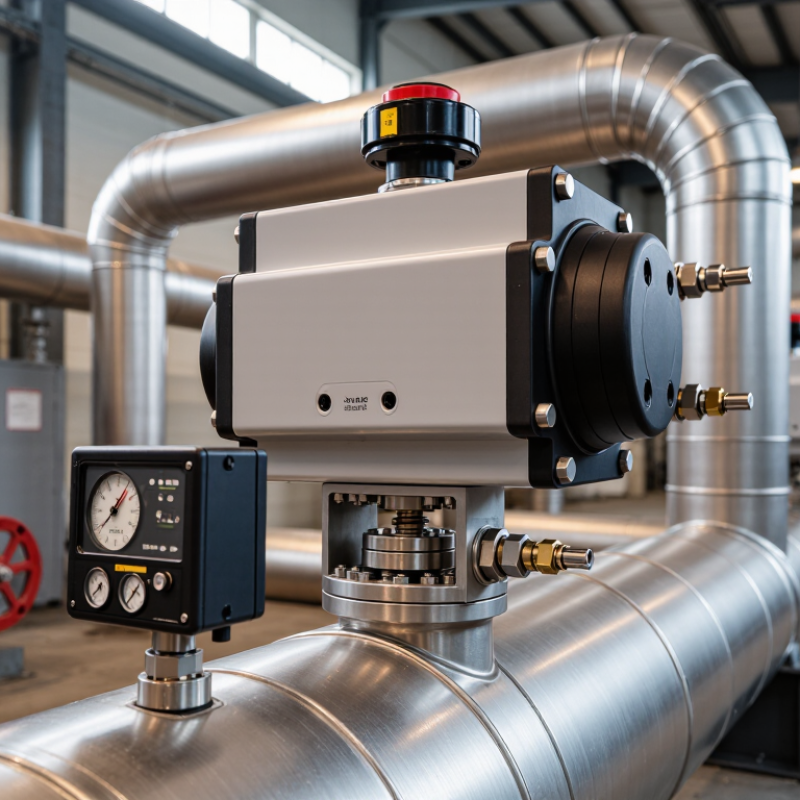
Pneumatic valve actuators convert compressed-air energy into mechanical movement. They operate valves that control water, steam, gas, or process fluids. A rotary actuator usually turns a quarter-turn valve, such as a ball or butterfly valve. A linear actuator moves a stem upward or downward. The basic principle is simple: air enters a chamber, pushes a piston or diaphragm, and creates torque or thrust.

A double-acting model uses air for both opening and closing. A spring-return model uses air in one direction and springs in the other. This design can move the valve to a safer position when air pressure disappears. Solenoid valves regulate the air supply, while positioners and sensors improve movement accuracy. In real installations, correct torque calculation matters. Valve friction, pressure differences, temperature, and cycling frequency can change actuator performance.

The drawing is neat. Field conditions are not.

When evaluating Chinese pneumatic valve actuator manufacturers, I inspect material certificates, machining quality, seal compatibility, cycle-test records, and leakage results. Aluminum housings need proper surface protection, especially near moisture or chemicals. Stainless steel parts help, but they do not solve every corrosion problem. Air quality also matters; water and oil contamination can damage seals. I have seen an actuator appear powerful during a short test, then respond slowly after repeated cycles. That experience makes long-duration testing more valuable than impressive specifications alone.
China’s Pneumatic Valve Actuator Manufacturing Landscape

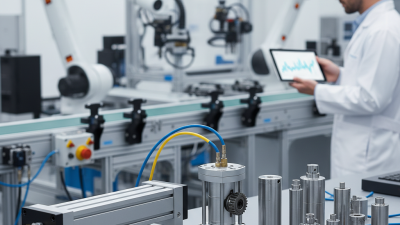
China’s pneumatic valve actuator manufacturing landscape has grown from basic casting and machining into a more specialized industrial network. Manufacturers now serve water treatment, chemical processing, energy, food production, and general automation. The strongest suppliers usually control several steps, including housing production, gear machining, seal installation, assembly, and final testing.

Quality depends on more than appearance. Experienced buyers examine torque output, air consumption, operating temperature, and corrosion resistance. Reliable factories use calibrated test equipment and record pressure, leakage, and cycle results. Material traceability also matters when actuators operate in demanding environments. Clear drawings and responsive engineering support often reveal more than a polished catalog.

Not every claim survives field use.

A practical audit should include sample testing, production-site checks, and document verification. Ask how the factory handles incorrect tolerances, seal damage, or inconsistent surface treatment. Some manufacturers offer impressive customization but lack stable process control. That weakness can create delays after installation. Others may provide dependable standard actuators but limited technical adaptation. Buyers should compare both capabilities instead of choosing only by price. Local supply chains can shorten lead times, yet component quality may vary between batches. Careful inspection remains necessary, even when previous orders performed well.

How to Assess Pneumatic Actuator Manufacturers

Assessing pneumatic actuator manufacturers requires more than comparing catalog prices. Start with production capability, engineering depth, and documented quality controls. Visit the factory when possible. Observe machining areas, assembly benches, testing equipment, and storage conditions. Clean workspaces do not prove excellence, but neglected tools raise questions.

Ask for material certificates, inspection records, and traceability from raw parts to finished actuators. A dependable manufacturer should explain torque calculations, corrosion protection, operating temperature, and sealing performance clearly. Request sample test data for cycle life, air leakage, and emergency operation. Numbers can mislead. Check whether an independent laboratory or qualified internal team produced them.

Practical experience matters during evaluation. I would test several samples, not only the best-looking unit. Compare mounting dimensions, response time, and torque output under realistic air pressure. Also review spare-part availability, technical drawings, packaging, and response time after delivery. Speak with recent customers about recurring failures, not only successful installations. No audit is perfect. A supplier may have excellent machines but weak documentation. Another may communicate well yet struggle with production consistency. Keep written records, challenge unclear claims, and allow time for a small trial order before long-term cooperation.

Profiles of Notable Chinese Pneumatic Actuator Manufacturers

Chinese pneumatic actuator manufacturers vary widely in engineering depth, production scale, and export experience. Some focus on compact rack-and-pinion units for quarter-turn valves; others build heavier scotch-yoke actuators for demanding pipeline service. Look for details beyond catalogue claims: rated torque at specific air pressure, coating thickness, cycle-test conditions, and documented inspection steps. Small details matter. A clear technical profile should also explain spare-part availability and how the supplier handles custom mounting dimensions.

Market context helps, but it needs careful interpretation. Grand View Research valued the global industrial valves market at about US$78.8 billion in 2023 and forecast growth through 2030. That figure covers valves, not pneumatic actuators alone, so it should not be treated as actuator-market revenue. Still, it signals sustained demand for flow-control equipment, where actuator reliability affects uptime and maintenance costs.

When comparing Chinese suppliers, request test records and verify whether stated torque figures account for pressure loss and operating conditions. A polished brochure is useful, but it is not proof. Even a capable manufacturer may provide uneven documentation; buyers should check the evidence, not just the wording.

Choosing a Manufacturer for Your Application

China Top Pneumatic Valve Actuator Manufacturers?
Choosing a Manufacturer for Your Application

A suitable actuator starts with the valve, not a catalogue photo. Confirm the valve type, torque requirement, operating pressure, and available air supply. A butterfly valve in a water line may need a different torque margin from a ball valve handling thicker media. Ask how the manufacturer calculates breakaway torque, including any safety allowance. Numbers without assumptions are hard to compare.

Check the actuator’s materials, seals, and operating temperature against the actual site conditions. Dust, humidity, and frequent cycling can expose weak points that a short bench test may miss. Request dimensional drawings, test records, and clear details about cycle testing. Practical support matters, too: can the technical team review your valve interface and explain mounting options? Small details count.

Lead times and spare-part access deserve attention before approval. Ask which parts are replaceable and how quickly they can be supplied. A low purchase price can become costly if a seal or spring takes weeks to source. Be cautious with vague claims about service life; real performance depends on installation and maintenance. Even a careful checklist can miss something. Review the proposed actuator on the actual assembly, and document any assumptions before ordering.