
Blog
What Are the Top Types of Control Valves in 2026?
Control valves regulate flow, pressure, temperature, or liquid level by changing the passage through a pipe. In 2026, choosing the right type still depends more on the process than on a trend list. A globe valve, for example, can offer precise throttling in a steam line, while a butterfly valve may suit a large water pipe where space and weight matter. Ball valves can provide quick, tight shutoff, but not every design is ideal for continuous throttling. Small details matter.
This guide compares common control valves by how they work, where they fit, and what trade-offs to check. It also considers diaphragm, plug, and pinch designs, which can serve particular duties involving corrosive fluids, suspended solids, or hygienic processes. Look beyond the valve’s name: review pressure drop, flow range, fluid compatibility, leakage needs, and the risk of cavitation or noise. Actuators and positioners matter, too; a well-selected valve can still perform poorly if its control signal or sizing is wrong. Not always.
Digital positioners and diagnostic features can help operators monitor performance, but they do not replace sound engineering or regular inspection. The most suitable option depends on measured operating conditions, manufacturer data, and maintenance capability. A neat ranking can still mislead. Use the comparisons ahead as a practical starting point, then verify each choice against the actual process and qualified engineering advice.
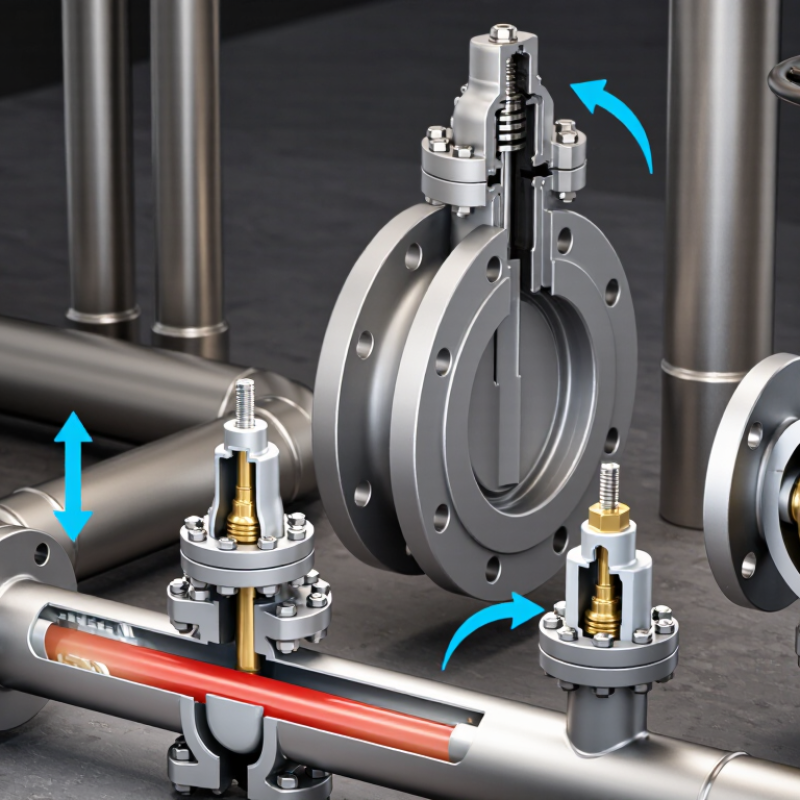
What Control Valves Do in Industrial Process Systems
In industrial process systems, control valves adjust the movement of liquids, gases, or steam through pipes. They respond to signals from a controller, changing the opening to help maintain a target flow, pressure, or temperature. A valve is not just an on-off gate. Its position can shift gradually as operating conditions change.
Different designs suit different duties. Globe valves often provide precise throttling, while ball valves can offer quick, low-resistance flow control. Butterfly valves are common on larger pipes where space and weight matter. Control valves work alongside sensors, actuators, and control systems. For example, a temperature sensor may detect a rising reading and prompt a valve to admit more cooling water. Small adjustments count.
Real performance depends on more than valve type. Pipe layout, fluid properties, pressure drop, and actuator response all affect control. A valve sized too large may make tiny adjustments difficult; one sized too small may restrict required flow. Wear can also cause leakage or unstable movement, so inspection and calibration matter. Field conditions are rarely perfect. Even good settings may need review when production changes, and that part is easy to underestimate.
What Are the Top Types of Control Valves in 2026? — What Control Valves Do in Industrial Process Systems
Control valves regulate fluid flow, pressure, temperature, or liquid level by changing the size of the flow passage in response to a control signal. The best choice depends on the process fluid, operating conditions, required control accuracy, and maintenance needs.
| Control Valve Type | Motion and Typical Control | Common Industrial Applications | Key Advantages | Important Considerations |
|---|---|---|---|---|
| Globe valve | Linear stem movement; commonly used for modulating flow and pressure. | Steam systems, process-fluid lines, pressure control, and general-purpose throttling. | Offers precise throttling and a wide range of control characteristics; trim options can be selected for demanding conditions. | Typically creates more pressure drop than many rotary designs and may require more space and maintenance than simpler valves. |
| Characterized ball valve | Quarter-turn rotary movement; a V-port or other characterized opening supports modulating service. | Liquid and gas flow control, chemical processing, and applications requiring tight shutoff with a compact design. | Provides relatively high capacity, quick operation, and tight shutoff when appropriately specified. | A standard full-port ball valve may provide poor control at low openings; select suitable trim and confirm cavitation, noise, and actuator requirements. |
| Butterfly valve | Quarter-turn rotary movement; disc position adjusts flow through the pipe. | Large-diameter water, air, cooling-water, and low-to-moderate-pressure process lines. | Compact, lightweight, and often economical for larger pipe sizes; generally offers low pressure loss when fully open. | Control performance and shutoff depend on design, seat, and operating conditions; disc position can affect flow and torque requirements. |
| Eccentric plug valve | Quarter-turn rotary movement; the plug rotates to regulate the flow opening. | Wastewater, slurries, viscous fluids, and services where solids may be present. | Can handle some dirty or solids-bearing fluids and provides a relatively unobstructed flow path. | Required torque, seat wear, and control accuracy depend on fluid properties and valve design; verify materials and trim for abrasive service. |
| Diaphragm valve | A flexible diaphragm moves against a weir or seat to control or isolate flow. | Corrosive fluids, water treatment, hygienic processes, and services where the process fluid should be separated from valve operating parts. | The diaphragm can isolate the operating mechanism from the fluid; designs are available for clean and corrosive services. | Temperature, pressure, and chemical compatibility are limited by the diaphragm and lining materials; diaphragm wear is a maintenance factor. |
| Pinch valve | Linear or mechanical actuation compresses a flexible sleeve to restrict flow. | Abrasive slurries, powders carried in fluids, and some corrosive or solids-laden services. | The sleeve can provide a smooth flow path with few internal obstructions, helping reduce contact between the process fluid and metal valve parts. | Sleeve material and service life depend on temperature, pressure, chemical compatibility, and abrasion; confirm the permitted operating range. |
| Needle valve | Fine linear movement of a tapered stem provides small, incremental flow adjustments. | Low-flow metering, sampling systems, instrument lines, and calibration or test setups. | Allows fine adjustment of relatively small flows and can be useful where precise manual setting is required. | Usually intended for small flow rates and may not be suitable for high-capacity process control or fluids containing solids. |
Selection note: Valve type alone does not determine performance. Sizing, pressure and temperature ratings, flow characteristic, actuator selection, materials, and the process fluid should all be evaluated for the specific application.
Related Posts
-
Exploring the Future of Control Valves in Sustainable Industrial Applications
-
10 Control Valves Buying Tips for Global Buyers
-
2026 How to Choose Control Valves for Optimal Performance?
-
How to Choose the Right Control Valves for Your Needs?
-

2026 Top Pneumatic Control Valve Innovations and Trends to Watch
-
Top Motorized Valves for 2025 Which One is Right for Your Needs