Why Choose a Knife Gate Valve for Industrial Use?
Industrial flow systems rarely offer gentle conditions. Slurry, wastewater, minerals, pulp, and dry powders can challenge ordinary valves. A knife gate valve uses a sharp-edged gate to cut through demanding media. This design supports reliable shutoff where solids might block conventional valve seats.
R. W. Zappe, a respected valve-engineering author, wrote, “Valve selection begins with the process, not the valve.” That principle remains practical. Engineers should examine pressure, temperature, particle size, corrosion, flow direction, and operating frequency. A knife gate valve can provide a compact solution in pipelines with limited installation space. Its full-bore opening may also reduce flow resistance during operation. That matters in large industrial lines.
Still, no valve is perfect. A knife gate valve may not suit throttling service, high-pressure applications, or every abrasive mixture. Misapplication can shorten packing life and increase maintenance. This is where field experience matters. Operators should inspect the gate, packing, body, and actuator regularly. Small leaks often reveal larger selection or installation problems.
The decision deserves evidence.
Manufacturers should provide pressure ratings, material data, sealing details, and test documentation. Independent engineering review can strengthen confidence. Site trials may reveal behavior that laboratory data misses. The strongest choice balances purchase cost, service life, maintenance access, and process safety. In many plants, that balance makes the knife gate valve a sensible option. Yet engineers should remain willing to reconsider it when actual operating conditions differ from the original design.

Why Choose a Knife Gate Valve for Industrial Use?
What Is a Knife Gate Valve?
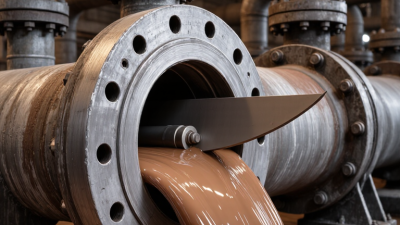
A knife gate valve is an industrial isolation device with a thin, sharp-edged gate. The gate moves vertically through the valve body. It stops or releases flow by cutting across the passage. This design handles thick media, including slurry, pulp, powder, and wastewater solids. When fully open, the gate creates limited resistance to flow. The valve is not usually designed for precise flow control. It works best in fully open or fully closed service.
In field inspections, operators often value its compact body and straightforward operation. However, performance depends on the correct seat, packing, actuator, and pressure rating. Abrasive particles can wear sealing surfaces over time. A poorly selected valve may leak or become difficult to operate. That detail is easy to overlook.
Tips: Check the medium, temperature, pressure, and particle size before selecting a valve. Confirm whether the line needs bidirectional shutoff or one-way service. Keep the stem and packing clean during routine maintenance. Test the valve gradually, especially after long periods without movement. It is simple, but not maintenance-free.
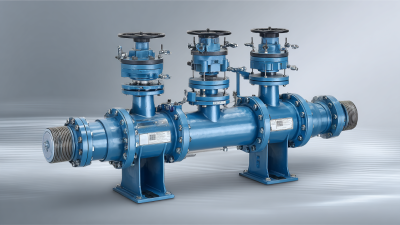
A knife gate valve uses a sharp-edged gate to isolate or control media such as slurry, pulp, wastewater, powders, and other fluids containing suspended solids. Its full-port design helps reduce flow resistance when the valve is fully open.
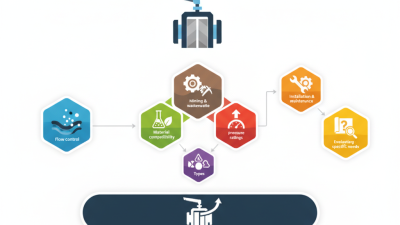
Chart explanation: The chart shows common nominal pipe sizes used for industrial knife gate valves and their approximate inch equivalents. DN is a nominal designation defined by international piping standards; it does not represent the exact measured inside diameter.
A knife gate valve works by moving a sharp-edged gate vertically through the pipeline. The gate cuts across slurry, wastewater, pulp, or other media containing suspended solids. When fully open, it retracts from the flow path and creates relatively low resistance. When closed, the gate presses against sealing surfaces, limiting passage through the line.
Manual handwheels, pneumatic cylinders, electric actuators, or hydraulic systems can move the gate. In field inspections, operators should check stem alignment, packing compression, and seat wear. A small leak may indicate trapped solids, not only damaged seals. Many designs support one-way or two-way isolation, but the actual sealing direction depends on the valve construction. It should not be treated as a precise throttling valve.
The U.S. Environmental Protection Agency’s 2022 Clean Watersheds Needs Survey estimated $630.1 billion in future wastewater infrastructure needs. That scale explains why dependable isolation equipment matters. Knife gate valves can help maintenance teams separate pumps, screens, and sludge lines. Yet selection still requires caution. Media concentration, pressure, temperature, corrosion, and cycling frequency affect service life. A 2023 water-sector report from the International Water Association also stresses asset management and condition monitoring. The valve may be strong, but poor installation can defeat it. Always verify the pressure rating and flow direction. Safety first.
Knife gate valves suit industrial services where media is thick, abrasive, or filled with suspended solids. Their thin gate moves through slurry, sludge, pulp, or dry powders with limited blockage risk. This makes them practical for wastewater treatment, mining, mineral processing, pulp production, biomass handling, and ash systems. Solids are unforgiving.
The U.S. Environmental Protection Agency’s Clean Watersheds Needs Survey 2022 estimated $630.1 billion in wastewater infrastructure needs over 20 years. That figure highlights the scale of treatment upgrades, where knife gate valves commonly isolate sludge lines, grit channels, and dewatering equipment. In mining, the USGS Mineral Commodity Summaries 2024 documented sustained global demand across major minerals. Abrasive slurry therefore remains a serious valve-selection challenge. A reinforced body and suitable resilient or metal sealing system can improve service life, but conditions must be measured carefully.
Knife gate valves are less suitable for precise flow control. They generally perform better as isolation devices than as throttling valves. That distinction matters. Field experience shows that poor sizing, excessive cycling, or ignored abrasion can shorten operating life. Engineers should review pressure, particle size, temperature, corrosion, and solids concentration before selection. The right valve can clear a dense line cleanly. The wrong one may leak, jam, or wear prematurely. Performance data should come from documented testing, maintenance records, and application-specific standards, not catalogue assumptions.
Knife gate valves are primarily isolation valves designed for fluids containing suspended solids, slurries, powders, fibers, and other difficult media. Their thin gate can provide a relatively unobstructed flow path when fully open, while the valve is generally not recommended for continuous throttling service.
| Industrial Application | Typical Process Media | Suitability | Why a Knife Gate Valve Fits | Key Selection Considerations | Recommended Valve Role |
|---|---|---|---|---|---|
| Municipal Wastewater Treatment | Raw sewage, primary sludge, return activated sludge, screenings, and wastewater containing suspended solids | Highly suitable | Handles solids-bearing flows and provides straightforward shutoff for channels, sludge lines, and treatment units. The full-bore opening can help reduce the risk of flow restriction when fully open. | Consider corrosion-resistant materials, seat design, shaft protection, and the risk of ragging or fibrous debris. Confirm the valve is rated for the required pressure and installation orientation. | Isolation and maintenance shutoff |
| Mining and Mineral Processing | Ore slurry, tailings, concentrate slurry, abrasive water, and mineral-rich process fluids | Highly suitable | Knife gate valves are commonly selected for abrasive slurry isolation because the gate can cut through or separate media containing solid particles. | Use abrasion-resistant components where required. Evaluate slurry concentration, particle size, velocity, pressure, seat wear, and the need for flushing or inspection access. | Isolation in slurry pipelines, tanks, cyclones, and discharge lines |
| Pulp and Paper Manufacturing | Wood pulp, paper stock, fiber suspensions, white water, and recycled-fiber mixtures | Highly suitable | The thin gate and open flow passage are useful for fiber-containing media, while the valve can provide reliable isolation around stock preparation and pulp-handling equipment. | Account for fiber accumulation, stock consistency, leakage requirements, temperature, chemical exposure, and the compatibility of elastomers with process chemicals. | Isolation of pulp, stock, and process-water lines |
| Power Plant Ash Handling | Fly ash, bottom ash slurry, ash-water mixtures, and dry powdered ash | Highly suitable | Knife gate valves can isolate abrasive ash-handling equipment and are available in configurations suited to wet or dry solids service. | For abrasive service, assess body and gate wear, sealing performance, dust control, actuator sizing, and whether the valve is designed for dry bulk solids or slurry service. | Isolation at ash hoppers, sluice systems, conveying lines, and discharge points |
| Cement and Building Materials | Cement powder, fly ash, limestone dust, gypsum, clinker dust, and other dry bulk powders | Suitable | The compact gate design can be used for shutoff in gravity-fed and pneumatic conveying systems where dry bulk material must be stopped or released. | Select a valve specifically rated for dry powder service. Consider dust-tight sealing, material buildup, abrasion, actuator protection, and the conveying pressure. | Isolation and material discharge control |
| Food and Beverage Processing | Dry powders, grains, starches, sugar, wastewater, and certain non-hygienic bulk material streams | Conditionally suitable | Knife gate valves can be effective in bulk-material handling and utility systems where simple isolation is required and hygienic valve geometry is not the primary requirement. | For product-contact hygienic duties, verify cleanability, crevice control, surface finish, drainage, sanitary certification, and compatibility with cleaning-in-place procedures. Standard designs may not be suitable for aseptic service. | Dry bulk handling, utility water, and wastewater isolation |
| Chemical Processing | Slurries, corrosive liquids containing solids, catalyst mixtures, pigments, and chemical wastewater | Suitable | Knife gate valves can isolate difficult chemical streams where solids or suspended particles make conventional valve designs more vulnerable to blockage. | Confirm body, gate, seat, packing, and fastener compatibility with the chemical composition, concentration, temperature, and pressure. Use appropriate containment for hazardous fluids. | Isolation rather than precision flow regulation |
| Biogas and Anaerobic Digestion | Digested sludge, sludge cake, grit-containing wastewater, and biogas-system solids | Suitable | The valve can provide shutoff in sludge and solids-handling lines where fibrous or abrasive material is present. | For biogas service, verify gas-tightness, emissions requirements, pressure rating, material compatibility, and actuator suitability for the hazardous area classification. | Sludge isolation and maintenance shutoff |
| Pumping and Dredging Systems | Dredged sand, silt slurry, mud, sediment, and abrasive water-solid mixtures | Highly suitable | Knife gate valves are well suited to pipelines carrying high concentrations of suspended solids and can be installed near pumps, dredging equipment, and discharge points. | Evaluate abrasion, slurry velocity, pressure surges, particle size, pump-start conditions, and the possibility of sediment settling during shutdown. | Pump isolation, line isolation, and equipment maintenance |
| Bulk Solids and Waste Handling | Wood chips, refuse-derived fuel, plastic flakes, biomass, compost, and mixed waste streams | Suitable | The gate can interrupt the movement of many dry or semi-dry bulk materials in chutes, hoppers, and discharge systems. | Check particle size, bridging potential, impact loading, moisture content, fire or explosion risks, sealing requirements, and actuator protection. | Hopper isolation and controlled discharge |
| General Industrial Water and Slurry Utilities | Cooling-water solids, process wastewater, recycled water, and low-to-medium concentration slurries | Suitable | Knife gate valves offer a compact isolation solution where the process stream contains solids and a conventional full-port valve may be more susceptible to obstruction. | Confirm pressure class, temperature range, seat construction, corrosion resistance, installation space, and the required leakage performance. | On-off isolation |
Important selection note: Knife gate valves are normally intended for fully open or fully closed operation. Continuous throttling can increase vibration, erosion, seat damage, and leakage unless the valve is specifically designed and rated for control service. Final selection should be based on media composition, solids concentration, particle size, pressure, temperature, flow velocity, corrosion and abrasion conditions, actuator requirements, and applicable industry standards.
Knife gate valves provide a direct solution for handling difficult media. Their thin gate can cut through slurry, fibrous material, and powders. This action helps reduce blockage during isolation. The open passage also supports low pressure loss in many pipelines. That matters when pumps already operate near their limits.
Their compact body saves space around tanks, hoppers, and transfer lines. Many designs fit between flanges with limited structural support. A properly selected valve can provide tight shutoff and easier inspection. In wastewater and mineral processing, operators often value its ability to clear deposits from the gate path. Less buildup means fewer unexpected stoppages. That is useful.
The details still matter. Knife gate valves usually suit isolation, not continuous throttling. Partial opening can increase turbulence, vibration, and seat wear. I have seen maintenance plans fail because abrasive service was treated like clean water. It was not. Material compatibility, pressure rating, temperature, actuation, and solids concentration require careful review. Seat design also affects leakage performance and service life. No valve fits every line. A field trial, or a review of real operating data, may prevent an expensive assumption.
Selecting a knife gate valve starts with the material, not the pipe diameter. Check slurry density, particle size, temperature, pressure, and flow direction. A thin blade can cut through fibrous solids, but abrasive media may quickly damage the seat. For reliable isolation, match the body, gate, and seat materials to the process chemistry. MSS SP-81 and ISO 5208 provide useful guidance for testing and leakage acceptance. However, standards cannot replace a site-specific inspection.
Maintenance deserves equal attention. The U.S. Environmental Protection Agency’s Protocol for Equipment Leak Emission Estimates reports that valves can represent about 60% of leaking components in petroleum-refining service. This figure concerns emissions, not every industrial plant, but it shows why packing deserves careful attention.
Inspect the stem, packing gland, bolts, and discharge area during planned shutdowns. Remove hardened deposits before operating the gate. Never force a stuck handwheel. That habit often creates a larger failure.
Keep a simple service record. Note cycle count, torque changes, leakage, temperature, and replaced parts. A practical schedule may include visual checks monthly and functional testing during planned maintenance. Harsh slurry may require shorter intervals. Clean service may need fewer interventions. Perfect intervals are unrealistic. Actual operating evidence should adjust them.
One detail is easy to miss: confirm the valve’s installation direction and allow enough clearance for the rising stem. Even a correctly selected valve can fail when maintenance access is poor.