Blog

Why Choose a Knife Gate Valve for Global Industrial Buyers?

Global industrial buyers face abrasive slurry, fibrous waste, dry solids, and corrosive process media every day. A knife gate valve can provide a practical isolation point when ordinary wedge valves struggle with blockage or restricted flow. Its thin gate moves through the medium, helping operators shut lines containing pulp, ash, minerals, or wastewater solids.

The numbers indicate a demanding market. MarketsandMarkets valued the global industrial valves market at approximately USD 78.8 billion in 2023. Its report projects growth to about USD 102.5 billion by 2028. Knife gate valve demand represents only part of that market, but the trend reflects expanding process infrastructure and stricter reliability expectations. Data from Grand View Research also identifies mining, chemicals, power, and water treatment as important valve-consuming sectors.

Service conditions matter more than catalog popularity.

Philip L. Skousen, author of Valve Handbook, states, “A valve must be selected for the service, not simply for the pipe size.” That principle fits knife gate valve purchasing. Buyers should compare pressure, temperature, media concentration, seat design, actuation, testing, and replacement access. A cheaper valve can become expensive beside a clogged pump or an unplanned shutdown.

Yet selection is not always obvious. Knife gate valves are not universal flow-control devices, and many installations need throttling equipment instead. Global buyers should verify supplier testing, material traceability, certifications, spare-part support, and field experience. These details create confidence. They also expose a weakness in many purchasing decisions: specifications often look complete before the operating reality is understood.

Why Choose a Knife Gate Valve for Global Industrial Buyers?

What Is a Knife Gate Valve and How Does It Work?

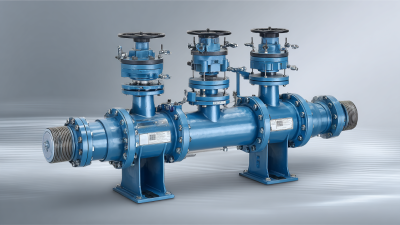
A knife gate valve is an isolation device designed for demanding industrial pipelines. It uses a thin, sharpened gate that moves vertically through the flowing medium. When the gate rises, the passage opens. When it drops, the gate blocks the line.

Its simple action is easy to understand. A handwheel, pneumatic cylinder, or electric actuator moves the gate along guided stems. The sharp edge can cut through sludge, fibers, powders, and other thick materials. This makes the valve useful in wastewater, mining, pulp processing, and bulk handling systems. In the fully open position, its straight passage usually creates limited flow resistance. The valve should not normally control flow halfway. Partial opening may cause vibration, erosion, and seat damage.

Field experience shows that installation details matter as much as valve design. The pipe must be properly aligned. Otherwise, the gate may scrape the body or fail to close completely. Buyers should check pressure ratings, temperature limits, body materials, sealing options, and actuator performance. Dirty media often requires flushing points or protective covers around the stem. It is not maintenance-free. Corrosive fluids can shorten service life, even when the valve appears suitably rated. A practical inspection should include leakage testing, stem movement, and debris around the seat. Small oversights become expensive downtime.

Which Industrial Media Are Suitable for Knife Gate Valves?

For global industrial buyers, the key question is not whether a knife gate valve looks robust. It is whether the valve matches the media. Its straight-through body can handle solids better than many conventional designs. This makes it practical for dry powders, fibrous pulp, wastewater sludge, mining slurry, and ash-laden process streams. A sharp-edged gate can cut through trapped material during closure. In a paper mill, it can isolate a line containing wet fibers. In a wastewater plant, it can separate a sludge pump for maintenance. Field experience matters here. Media that seems similar can behave very differently.

Abrasive slurry requires careful material selection. Hard particles can wear the gate, seats, and body. Corrosive fluids may demand stainless alloys or protective linings. Temperature changes also affect sealing performance. For fine powders, the valve may need effective packing and a suitable actuator. This helps control leakage and dust escape. Food and pharmaceutical service require hygienic construction, cleanability, and approved materials. These requirements should come from process documentation, not appearance. Very wet, clean liquids under high throttling demand may require another design. Knife gate valves are generally isolation valves, not precision flow-control devices.

Buyers should provide particle size, solids concentration, pressure, temperature, cycle frequency, and chemical composition. Ask for test data when the service is abrasive or unusually viscous. Small details matter. A common selection error begins with one vague phrase: “slurry service.” That description is incomplete. A better specification includes start-up conditions, shutdown frequency, and the consequences of seat leakage. Even experienced teams can overlook these points during international purchasing. Local standards, inspection records, and traceable material certificates should be part of the purchase file.

What Design Features Should Global Buyers Evaluate?

Why Choose a Knife Gate Valve for Global Industrial Buyers?

What Design Features Should Global Buyers Evaluate?

Global buyers should evaluate the valve’s service conditions before comparing prices. Knife gate valves suit slurry, powder, pulp, wastewater, and other media containing solids. The blade must move cleanly through the material. A full-port opening helps reduce blockage and pressure loss. According to Grand View Research’s 2024 Industrial Valves Market report, the global market was valued at roughly US$78 billion in 2023. That scale reflects demand, but it does not guarantee suitable design.

Seat construction deserves careful attention. Resilient seats can improve sealing around fibrous particles, while metal seats tolerate higher temperatures and abrasive solids. Buyers should verify leakage performance against ISO 5208 or the specified project standard. The body should match pressure, temperature, corrosion, and abrasion requirements. Material certificates and inspection records matter. Small details matter.

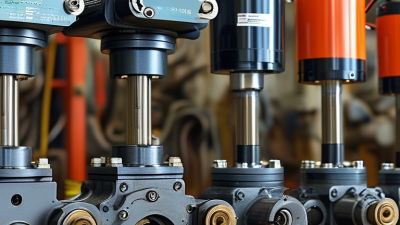
Actuator selection is another practical concern. Pneumatic actuators need clean, stable air and correct sizing. The U.S. Department of Energy reports that compressed-air leaks can waste 20–30% of compressor output in poorly maintained systems. A double-acting actuator may provide reliable movement, but it also needs dependable air supply. Electric actuators can simplify plant integration, though moisture and torque calculations require attention. In field evaluations, drain ports, stem protection, packing access, and visible position indicators are often overlooked. It is rarely perfect. A lower purchase price may hide higher maintenance, slower cleaning, or premature seat replacement.

How Do Materials, Standards, and Actuators Affect Selection?

Why Choose a Knife Gate Valve for Global Industrial Buyers?

Material selection should follow the medium, not the catalog photograph. Ductile iron suits many low-pressure water and slurry services. Carbon steel offers stronger mechanical resistance. Stainless steel performs better when chlorides or corrosive chemicals are present. Duplex alloys may reduce corrosion risk, but their higher cost needs a clear life-cycle case. In field inspections, poor material matching often appears as pitting around the gate and seat.

Standards also shape purchasing confidence. API 598 supports pressure-testing practices, while MSS SP-81 addresses knife gate valve requirements. For leakage-sensitive facilities, ISO 15848-1 provides a framework for fugitive-emission testing. The IEA Global Methane Tracker 2024 estimates about 120 million tonnes of methane came from fossil-fuel operations in 2023. It also reports that roughly 40% could be reduced at no net cost. A valve is not the only control, but packing design and inspection matter. Sometimes, specifications are copied without checking the actual duty. That is a costly habit.

Tips: Match the actuator to torque, cycle frequency, fail position, and available utilities. Pneumatic actuators respond quickly, but compressors need dependable air quality. Electric actuators simplify remote control, yet moisture protection and backup power deserve attention. Handwheels remain practical for infrequent isolation. Request test certificates, pressure ratings, seat-material details, and actuator sizing calculations. Recheck the calculation. Slurry can harden, and real torque may exceed clean-water assumptions.

What Should Buyers Check Before Purchase and Installation?

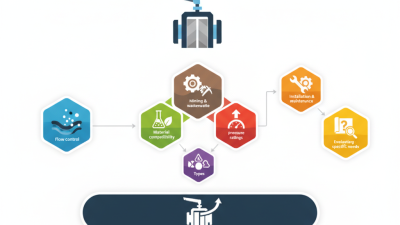
Before purchasing a knife gate valve, define the service conditions precisely. Record the medium, temperature, pressure, pipe size, and expected cycling frequency. Slurry needs different seat materials than clean water. Abrasive particles can damage soft seals quickly. Check whether the valve must isolate flow or control it. It is mainly designed for isolation, not fine throttling.

Ask the supplier for dimensional drawings, material certificates, pressure-test records, and maintenance instructions. Confirm the body material, gate alloy, seat design, stem protection, and actuator output. The actuator must overcome packing friction and process pressure. Do not rely only on nominal pipe size. Face-to-face dimensions and flange drilling must match the existing line. Certification requirements may also vary by installation location and service type.

Installation errors are common. Inspect the valve for transport damage before removing protective covers. Clean the pipe flanges and check their alignment. Never use the valve to correct an offset pipe. Uneven bolts can distort the body and cause leakage. Support heavy actuators separately when necessary. Keep the gate fully open during line flushing, unless the manual specifies otherwise. After installation, operate it slowly and check stem travel, packing leakage, flange seepage, and actuator response. A pressure test should follow the approved procedure. One practical lesson is easy to miss: a valve can pass inspection yet fail early when the pipeline carries unexpected solids. Ask for realistic operating data, not optimistic estimates.