How to Choose a Spring Check Valve in 2026?
Choosing a spring check valve in 2026 starts with the system, not the catalogue photo. The valve must suit the fluid, operating pressure, temperature, flow rate, and installation position. A mismatch can cause excessive pressure loss, chatter, or unreliable closure. Small details matter: a spring that is too stiff may restrict flow, while one that is too light may not prevent reverse flow promptly.
Look closely at the cracking pressure, body and seat materials, connection type, and maintenance requirements. For example, a compact valve on a clean-water line may need different materials and flow characteristics than one handling a viscous process fluid. Check manufacturer performance data against actual operating conditions, and confirm compatibility with nearby pumps and piping. Published ratings are useful, but they do not replace application-specific review.
One sourcing point deserves care: no article or verified expert quotation was supplied, so I can’t responsibly attribute a statement to a named spring check valve specialist. A practical selection principle is simple: “Choose for the real operating conditions, not the ideal ones.” Treat that as guidance, not a sourced quotation. Even a sound specification can miss a field constraint; installation space, service access, and changing flow conditions are easy to underestimate. A careful review makes the spring check valve choice more dependable—and exposes assumptions before they become costly problems.
Define Service Conditions with ASME B16.34 Pressure-Temperature Ratings
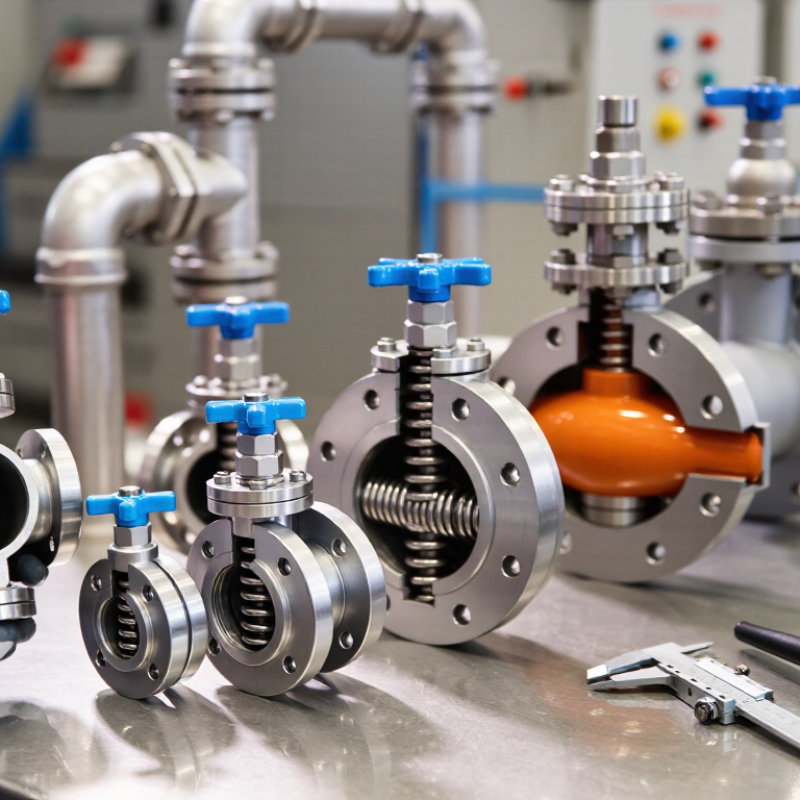
Choosing a spring check valve in 2026 starts with service conditions, not catalog size. ASME B16.34 pressure-temperature ratings define allowable pressure for specific materials and temperatures. They are not universal safety numbers. A carbon-steel Class 150 valve, for example, is commonly rated near 285 psi at 100°F. That rating can fall sharply as temperature rises.
Temperature changes everything.
Record the normal pressure, maximum pressure, minimum and maximum temperature, fluid phase, and expected cycling frequency. Include start-up surges and shutdown shocks. A 2024 industrial valve market analysis valued global demand at roughly US$78 billion in 2023, reflecting extensive use across energy, water, and process facilities. Yet market growth does not remove engineering errors. A valve sized only by line diameter may create excessive pressure drop or unstable disc movement.
In field reviews, the most overlooked detail is often the spring’s cracking pressure. The valve must open under the lowest available differential pressure, then close quickly enough to limit reverse flow. ASME B16.34 should be checked alongside the manufacturer’s tested data and API 598 leakage requirements. I would also verify installation orientation, fluid cleanliness, and water-hammer risk. Real systems are imperfect. Instrument readings may be optimistic. Recheck the worst credible combination, especially when hot fluid meets a cold shutdown condition.
Select Spring Cracking Pressure Below the Minimum Available ΔP
How to Choose a Spring Check Valve in 2026?
Select a spring cracking pressure below the minimum available ΔP. Cracking pressure is the differential pressure needed to start opening the valve. If the lowest pressure your system can provide is 0.5 bar, a valve requiring 0.6 bar may stay closed or open inconsistently. Allow for pressure losses across pipes, fittings, filters, and other components—not just the pump’s rated pressure. Small details matter.
Check the valve’s pressure-flow curve for your expected operating range. A valve that cracks open may still restrict flow if the spring is too stiff or the passage is undersized. Consider startup conditions, fluid temperature, and changes in viscosity, too. These factors can shift real-world performance. I would verify them against the actual system data; estimates alone can be misleading.
Tips: Compare minimum available ΔP with the valve’s specified cracking pressure, then leave a practical margin for uncertainty. Confirm the measurement points and units, and ask for test data if conditions are unusual. Don’t assume a lower cracking pressure is always better: the spring must still close reliably when flow stops.
Match Materials to ISO 15156, PTFE, EPDM, and Temperature Limits
How to Choose a Spring Check Valve in 2026?
Choosing a spring check valve starts with the fluid, temperature, and pressure. In sour-service equipment, verify every wetted metallic part against ISO 15156 requirements. This includes the body, spring, disc, and retaining components. Do not assume stainless steel is automatically suitable. Chloride level, hydrogen sulfide exposure, hardness, and heat treatment can change the selection.
Seal materials need equal attention. PTFE handles many aggressive chemicals and wide temperature ranges, but pressure cycling can cause creep. EPDM performs well with water, glycol, and some steam services. It is usually a poor choice for oils and hydrocarbon fluids. Check the actual compound rating, not only the general material name. Temperature limits also depend on pressure, cycling, and the valve’s design.
Tips: Confirm the minimum and maximum operating temperatures. Compare them with the seal, spring, and body limits. Check cracking pressure against pump output. A valve that opens too late may reduce flow. A valve that opens too easily may allow reverse movement. Ask for ISO 15156 compliance evidence and material certificates. I have seen specifications overlook the spring, although it directly contacts the process fluid. Real systems are rarely perfect. Fouling, vibration, and installation position can alter performance, so field conditions deserve a cautious review.
How to Choose a Spring Check Valve in 2026?
Match sealing materials to service conditions, ISO 15156 requirements, and temperature limits.
Temperature ranges are indicative and vary by compound, pressure, and manufacturer. ISO 15156 suitability cannot be determined from temperature alone: verify the specific material against the sour-service environment, including H₂S partial pressure, pH, and chloride content. Confirm the valve’s rated limits with its supplier.
Verify Leakage and Compliance with API 598, ISO 5208, and PED 2014/68/EU
Choosing a spring check valve in 2026 requires more than matching pipe size and pressure rating. Confirm the fluid, temperature, flow direction, installation position, and required cracking pressure. A spring that is too strong can restrict flow. A weak spring may allow reverse flow.
Leakage verification should follow API 598 and ISO 5208, using the specified pressure, test medium, holding time, and acceptance criteria. Do not accept vague wording such as “tested satisfactory.” Request the actual test report, valve identification, pressure readings, and inspector approval. Seat leakage class and test direction must match the valve design. Small details matter.
PED 2014/68/EU adds a separate compliance review for equipment placed on the European market. Classification depends on pressure, nominal size, fluid group, and hazard category. Check the applicable conformity assessment route, technical documentation, marking, and declaration of conformity. A passed leakage test does not automatically prove PED compliance. That distinction is often missed.
During commissioning, compare the certificate with the installed valve. Check the arrow, spring condition, flange alignment, and any field damage. A paperwork-only review can look complete. It may still miss a reversed valve or unsuitable test medium. I would also question unclear acceptance limits, even when the supplier is experienced. Real systems are less tidy than test benches.