Top Butterfly Valve Manufacturers for Global Buyers?
Choosing the right butterfly valve manufacturer can influence plant safety, maintenance costs, and long-term flow control performance. Global buyers often compare suppliers across quality, price, delivery speed, certifications, and technical support. Yet a polished website does not prove dependable production.
This guide examines leading butterfly valve manufacturers through practical purchasing criteria. It considers manufacturing experience, material control, pressure testing, coating quality, and product traceability. It also reviews wafer, lug, flanged, and high-performance designs for water, chemical, energy, and industrial applications. Reliable manufacturers should explain body materials, disc options, seat compounds, actuator compatibility, and temperature limits clearly. They should also provide inspection records and responsive after-sales service.
Real projects reveal more than brochures. A valve may look excellent in a catalog but fail to match a corrosive medium, oversized pipeline, or frequent cycling requirement. Small details matter, such as clean flange faces, accurate dimensions, smooth disc movement, and properly labeled packaging. No ranking is perfect. Supplier capabilities change, and regional service quality can vary. Buyers should verify current certificates, factory capacity, reference projects, and testing procedures before placing an order. Our comparison aims to support that process with balanced evidence and practical observations, not empty promotion. The best butterfly valve supplier is not always the cheapest or most famous. It is the manufacturer that consistently matches engineering requirements, delivery expectations, and documented quality. That distinction deserves careful attention.
What Is a Butterfly Valve and How Does It Work?
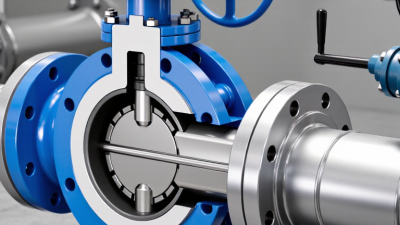
A butterfly valve controls fluid with a circular disc mounted inside a pipe. The disc rotates around a central stem, usually through 90 degrees. When the disc aligns with the flow, the passage opens. When it turns across the passage, flow stops. It is a simple idea. Yet small design choices affect safety and service life. During field inspections, technicians often check the stem, seat, bolts, and disc edge first. Dirt around the seat can prevent complete closure and cause a slow, costly leak.
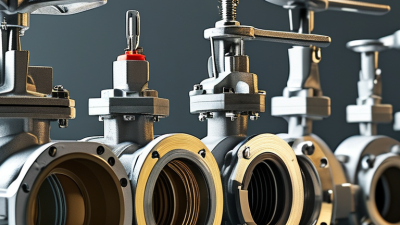
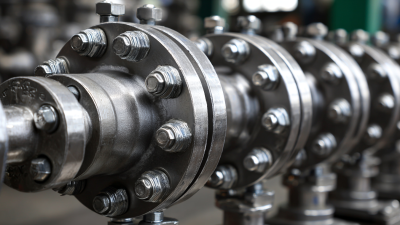
The valve body may use wafer, lug, or flanged connections. Wafer designs are compact, while lug designs support easier section removal. Soft seats suit many water and general industrial services. Metal seats handle higher temperatures and harsher conditions, but they may require tighter installation control. Manual handles work well for smaller lines. Gear operators, electric actuators, or pneumatic actuators support larger valves and remote control. The disc needs enough clearance inside the pipe. Misalignment can damage the seat during the first operation.
Global buyers should match pressure, temperature, media, pipe size, and connection standards before ordering. Ask for material certificates, pressure-test records, dimensional drawings, and operating torque data. Corrosive fluids need suitable body, disc, stem, and seat materials. A common mistake is choosing by diameter alone. That approach seems efficient, but it can create early failure. The design is not perfect for every throttling service. Continuous partial opening may cause vibration, noise, or seat wear. Installation quality still matters more than many catalog claims.
Which Butterfly Valve Types Suit Different Industrial Applications?
Butterfly valves suit different duties when engineers match the design to pressure, temperature, media, and operating frequency. For clean water, irrigation, and basic air service, concentric resilient-seated valves often provide simple sealing and low ownership costs. Small details matter. A wafer body saves space between flanges, while a lug body supports easier section isolation during maintenance. In valve selection work, I have seen installation access influence reliability as much as the valve itself.
Double-eccentric butterfly valves reduce disc-to-seat contact during opening. This design suits cooling water, HVAC systems, and moderate-pressure process lines. Triple-offset valves are better for hot oil, steam, and demanding thermal cycles. Their metal seats can tolerate higher temperatures and repeated operation. They also require accurate alignment and careful torque control. A strong specification does not remove every risk.
For corrosive chemicals, lined butterfly valves can protect the body and disc from aggressive media. The lining must match concentration, temperature, and permeation conditions. Sanitary butterfly valves suit hygienic processing when polished surfaces and cleanable connections are required. Wastewater service may need abrasion-resistant materials, but butterfly valves can perform poorly with heavy solids or uncontrolled throttling. Selection charts look tidy, but real plants are not. Buyers should request pressure-test records, material certificates, cycle data, and clear actuator limits. Do not trust a catalog alone.
How to Evaluate Butterfly Valve Manufacturers Worldwide
Evaluating butterfly valve manufacturers worldwide requires more than comparing catalog prices. Grand View Research estimates the global industrial valves market at about USD 78.7 billion in 2023, with steady growth expected through 2030. This scale attracts capable suppliers and weak imitators. Buyers should verify factory experience, production capacity, and traceable quality records. Ask for material certificates, pressure-test reports, and inspection photographs. Real evidence matters.
Check whether the manufacturer follows relevant standards, such as ISO 5211 for actuator mounting and API 609 for butterfly valve design. Confirm the valve’s pressure class, seat material, disc alloy, and temperature range. A reliable supplier should explain why each selection fits the medium, pipeline size, and operating cycle. Test reports should identify the actual batch, not just show a generic template. Small detail, major risk.
Independent audits can reveal machining control, coating thickness, warehouse conditions, and corrective-action practices. Industry research from MarketsandMarkets identifies oil and gas, water treatment, and power generation as major valve demand sectors, each requiring different performance evidence. Delivery data also deserves scrutiny. Request recent on-time shipment records and spare-part lead times. Price still matters, but it can distort judgment. I have seen technically attractive offers fail because documentation was incomplete or support was distant. A second review is worthwhile.
How to Evaluate Butterfly Valve Manufacturers Worldwide
A practical first-stage comparison is to verify whether a manufacturer can consistently supply butterfly valves across internationally recognized nominal pressure classes. The chart shows the rated pressure levels associated with common PN designations used in industrial valve specifications.
When assessing suppliers, confirm the applicable design standard, pressure-temperature rating, body and disc materials, leakage test requirements, traceability documents, and certification scope. PN values are nominal pressure designations in bar; the allowable working pressure may be lower at elevated temperatures and depends on the valve material and applicable standard.
Which Global Manufacturers Offer Reliable Butterfly Valve Solutions?
Global buyers need reliable butterfly valve manufacturers, not merely low quotations. The strongest suppliers prove performance through design control, material traceability, testing, and field support. Grand View Research estimates the global industrial valves market reached about USD 77 billion in 2022. Its forecast also indicates steady growth through 2030. Definitions vary between reports, so buyers should check each study’s scope.
Reliable manufacturers commonly design wafer, lug, double-offset, and triple-offset valves for different service conditions. They should support recognized standards, including API 609, EN 593, ISO 5211, and ISO 5208. Factory acceptance testing should cover pressure sealing, shell integrity, actuator function, and operating torque.
Ask for heat numbers, material certificates, coating records, and calibrated test results. Small documents matter.
MarketsandMarkets identifies water treatment, energy, and chemical processing as important demand areas for industrial valves. That growth increases pressure on manufacturers to provide durable elastomers, corrosion-resistant discs, and stable automation interfaces. A serious supplier also explains temperature limits and media compatibility clearly. Some quotations still hide these details. That is a warning sign. Buyers should compare lifecycle cost, spare-part availability, inspection support, and delivery performance, rather than judging price alone. Reliability is demonstrated at the pipeline, not promised in a brochure.
What Standards and Services Should Buyers Check Before Purchasing?
When global buyers compare butterfly valve manufacturers, standards should come before price. A polished website cannot replace verifiable engineering records. Ask which standard governs design, dimensions, pressure testing, and inspection. Common references include API 609, EN 593, ISO 5752, and ASME B16.34. The correct choice depends on pipeline pressure, temperature, fluid, and installation region.
Request material certificates for the body, disc, stem, and seat. Check heat numbers against inspection documents. Pressure test reports should identify the valve, test medium, pressure, duration, and acceptance criteria. For corrosive service, confirm coating thickness and material compatibility. For critical systems, independent inspection can reveal details factory paperwork misses. It costs more. Sometimes it prevents expensive downtime.
Services also deserve careful review. Reliable suppliers should provide drawings, data sheets, installation guidance, spare-part lists, and clear delivery schedules. Ask how they handle actuator sizing, signal requirements, replacement seats, and warranty claims. A responsive technical team should answer with calculations, not vague promises. I have seen buyers approve a valve because its flange matched, then discover the actuator lacked operating torque. That mistake is avoidable, but not rare. Check packaging, export documents, serial-number traceability, and after-sales response times before placing the order. A sample valve inspection may expose uneven coating, stiff movement, or incomplete markings. Small details matter.