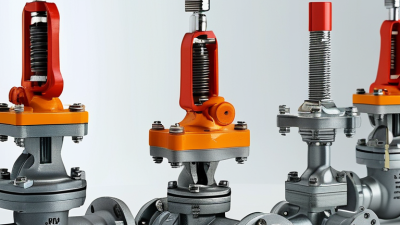
A butterfly valve may look simple: a circular disc turns inside a pipe to control or stop flow. Yet small design differences can change how the valve seals, handles pressure, and performs over time. Butterfly valve types are commonly distinguished by disc and seat design, shaft offset, and connection style. These details matter.
Concentric valves often use a resilient seat and suit many general-purpose services. Double-offset designs reduce contact between the disc and seat during operation, while triple-offset valves use a metal-seated arrangement for demanding conditions. Wafer and lug styles describe how a valve connects between pipe flanges; they are not the same classification as offset design. The terminology can be confusing, even in product catalogs.
Choosing a valve calls for more than matching pipe diameter. Engineers also check the fluid, operating temperature, pressure, shutoff needs, available space, and actuation method. A valve that works well on a water line may not be suitable for hot process service. Small differences matter.
This guide explains why manufacturers offer multiple designs and what those differences mean in practical use. It also considers common trade-offs, such as sealing performance, operating torque, maintenance, and cost. No single design is best for every system, and catalog descriptions can make selection seem easier than it is. Verify specifications against actual operating conditions, and consult the manufacturer when requirements are unclear. A careful comparison helps narrow the options without treating a familiar-looking valve as automatically interchangeable.
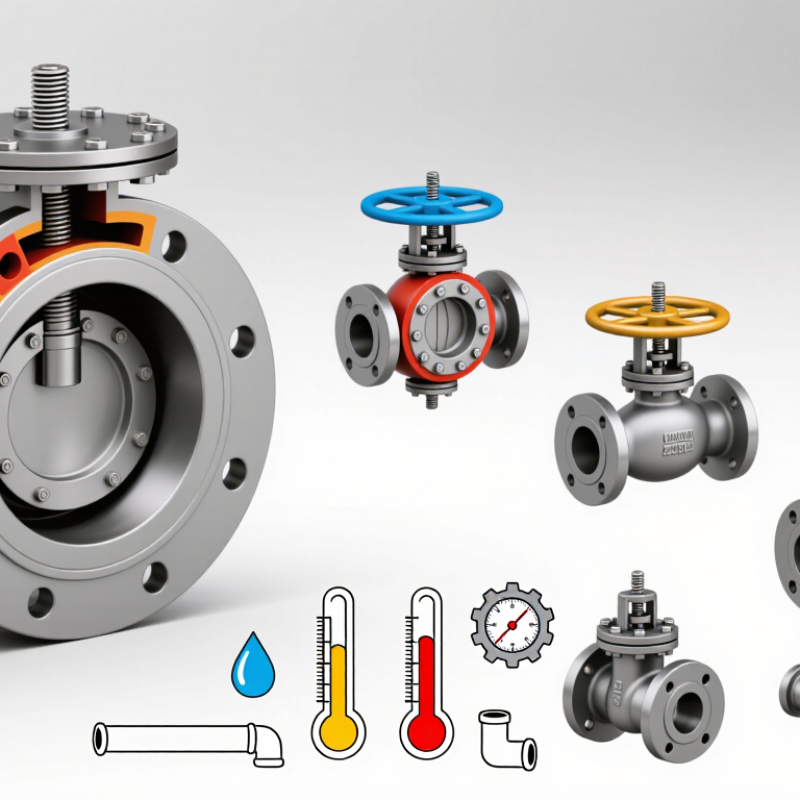
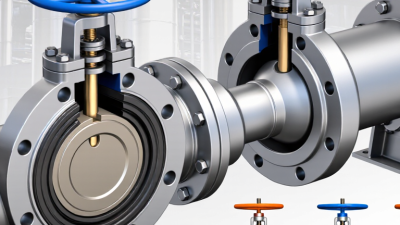
Butterfly valve types differ because their designs respond to different pressures, temperatures, materials, and installation limits. The disc’s shape and position affect how it opens, seals, and resists wear. A concentric design places the stem through the disc’s center, with the disc contacting a resilient seat during closure. This arrangement often suits general isolation duties. For higher pressures or temperatures, an offset design can reduce rubbing between the disc and seat as the valve turns. That can improve durability, though actual performance depends on materials and operating conditions.
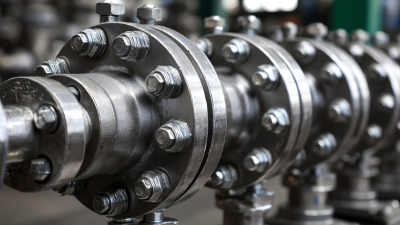
Connection style matters, too. Wafer valves fit between pipe flanges and are compact, while lug-style bodies allow bolting to each flange. This can help when a downstream pipe section needs removal. Larger or specialized systems may call for flanged bodies. The seat material also shapes the choice: elastomers can provide tight shutoff in compatible services, while metal seats may be considered for hotter or more demanding conditions. Not every “heavy-duty” design is automatically better. In practice, these categories can blur, and the wrong seat or disc material may shorten service life. A technician checking a valve should compare its pressure rating, temperature range, fluid compatibility, and required shutoff before selecting a type.
Butterfly valves differ not only in size, but in how the disc and shaft sit inside the body. The disc controls flow, while the shaft transfers actuator motion to it. In a concentric design, the shaft runs through the disc’s center, and the disc presses against a resilient seat as it closes. This is a straightforward arrangement. Simple, but consequential.
Offset designs change the disc’s path. A double-offset valve shifts the shaft from the disc center and seat plane, helping the disc move clear of the seat sooner. That can reduce rubbing during operation. Triple-offset designs add angled sealing geometry, often pairing metal sealing surfaces with a cam-like closing action. They suit demanding temperatures or applications where seat wear matters, though they require careful alignment. Not magic.
Shaft layout matters, too. A shaft passing through the disc is common, but it can create some flow obstruction. Designs with separate stub shafts may leave a clearer passage, depending on the valve’s construction. The trade-off is how the disc is supported and how operating loads are managed. When selecting a valve, compare pressure direction, cycle frequency, actuator torque, and the actual seat material. A small detail on a drawing can change performance. I would not choose by offset count alone.
A butterfly valve’s seat determines how the disc meets the valve body and how much leakage the assembly can control. It also sets practical temperature limits. A soft seat may compress slightly around a disc with minor wear or surface variation. That helps create a tight shutoff. But the same flexibility can become a weakness when heat, pressure, or repeated cycling pushes the material beyond its working range.
Elastomer seats, such as EPDM or nitrile, can seal well in suitable services, but their temperature and chemical limits differ. PTFE handles many chemicals and can suit warmer duties, yet sustained pressure may cause it to deform over time. Metal seats are often selected for hotter or more abrasive conditions. They can tolerate harsher service, though shutoff may not be as tight as with a resilient seat. Details matter.
A temperature rating alone is not enough. Check the fluid, pressure, cycling frequency, and whether the valve must seal in both directions. A valve handling hot water may behave differently from one exposed to steam or a cleaning chemical, even at similar temperatures. There is no perfect seat, and that trade-off is easy to underestimate. Confirming the operating conditions with the valve’s technical documentation is a practical step, not paperwork for its own sake.
Why Are There Different Types of Butterfly Valves?
Key Butterfly Valve Types and Their Structural Differences
Butterfly valves share a compact design: a disc turns inside the pipe to regulate flow. Their differences lie in the disc’s position, sealing surfaces, and body connections. These details affect friction, shutoff performance, and installation.
A concentric valve places its stem through the disc’s center, with the disc closing against a resilient seat. This simple structure suits many general-purpose water and low-pressure services. In a double-offset valve, the stem shifts away from the disc center and seat. That geometry reduces rubbing as the disc opens, which can help limit seat wear. A triple-offset design adds an angled sealing surface. Its metal-to-metal contact is useful in some high-temperature or demanding services, but it calls for accurate installation and suitable materials.
Connection style is another distinction. Wafer valves fit between pipe flanges and are held in place by the flange bolts. Lug-style bodies have threaded inserts, allowing some piping arrangements to be disconnected on one side. Flanged valves use their own end flanges and can be easier to remove, though they may need more space. These categories can overlap: a valve’s connection style does not define its sealing geometry. That detail is easy to miss. Actual suitability depends on pressure, temperature, fluid, and maintenance needs, so the application data should be checked before selection.
Key butterfly valve types differ in how the stem, disc, and sealing surfaces are arranged.
How to read the chart: Offset count describes the geometry of the valve design, not its performance. A concentric valve has no stem offsets; a double-offset valve has two; and a triple-offset valve adds a third offset associated with its conical sealing geometry. These structural differences affect how the disc moves away from the seat and how the sealing surfaces engage.
Choosing a butterfly valve starts with the service, not the catalog label. A concentric, resilient-seated valve often suits moderate-pressure water lines, where a soft liner provides tight shutoff and supports routine maintenance. For hotter fluids, higher pressures, or frequent cycling, double- or triple-offset designs can reduce seat rubbing. That may extend service life. But no design fits every duty; check pressure-temperature limits and material compatibility against the valve’s datasheet.
Installation and control needs matter too. Wafer bodies fit between flanges and save space, while lug-style bodies can allow removal from one side, depending on the piping layout. For flow control, check the valve’s operating range and torque, not just its nominal diameter. The U.S. Department of Energy’s Improving Pumping System Performance sourcebook estimates that pumping systems use nearly 20% of global electricity demand, and 25–50% of energy in some industrial plants. The report covers pumping systems, not butterfly valves, but it underscores why pressure drop and actuator sizing deserve attention. Small details matter. I would still verify the actual fluid, temperature swings, solids, and maintenance access with the responsible engineer; a selection chart can miss site realities.
| Type | Key Design Feature | Typical Applications | Why It May Be Appropriate | Important Considerations |
|---|---|---|---|---|
| Concentric, resilient-seated | The stem is centered on the disc, and the disc seals against an elastomeric seat. | Water distribution, wastewater, HVAC, and other general-purpose services. | Offers a simple, compact design and reliable shutoff for many moderate-pressure applications. | Seat material must be compatible with the fluid and operating temperature. It is not usually the first choice for severe service or high-temperature applications. |
| Double-offset (high-performance) | Two stem offsets reduce disc-to-seat contact as the valve opens, helping limit wear. | Process piping, utility systems, and applications requiring more demanding pressure or temperature performance than many concentric designs provide. | Provides a balance of compact size, reduced seat rubbing, and dependable shutoff; seat designs and materials vary by service. | Pressure and temperature capability depend on the valve design, seat material, body material, and applicable rating. |
| Triple-offset, metal-seated | Three offsets create a cam-like, low-friction seating action; many designs use metal-to-metal sealing surfaces. | Higher-temperature process lines, thermal services, and applications where a metal seat is required. | Can accommodate demanding temperature conditions and reduce continuous rubbing between the disc and seat. | Performance depends on design and installation. Metal-seated valves may not provide the same tight shutoff as resilient seats in every service. |
| Wafer-style body | A short body fits between pipeline flanges; flange bolts typically clamp the valve in place. | Space- and weight-conscious installations in water, HVAC, and general process systems. | Its compact face-to-face dimension can make it an economical choice where the piping layout and service allow it. | Wafer describes the body and connection style, not the sealing geometry. Check piping arrangement and whether the valve is suitable for the required end-of-line conditions. |
| Lug-style body | Threaded or tapped lugs around the body allow bolts to connect the valve to the flanges. | Installations that may require one side of the piping to be disconnected for maintenance. | Depending on the valve’s design and pressure rating, it can support certain dead-end arrangements and simplify line-side removal. | Dead-end suitability is not universal; confirm the manufacturer’s design limits, pressure rating, and installation requirements for the specific valve. |