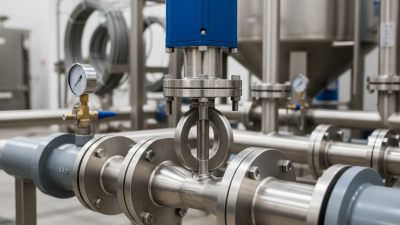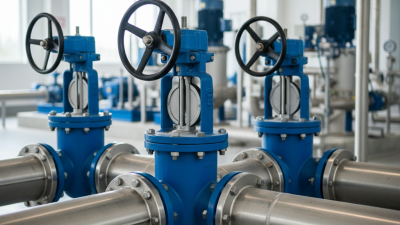
Choosing among China’s best butterfly valve manufacturers and suppliers requires more than comparing prices or polished factory photographs. A reliable decision begins with application details: media type, pressure class, temperature, line size, seat material, disc design, and operating frequency. In water treatment, a resilient-seated butterfly valve may provide efficient isolation. Chemical service may demand stronger alloys and stricter compatibility checks. Small details matter. A scratched disc can become a serious maintenance concern.
Industry valve consultant Richard W. Greene offers a practical reminder: “The best valve is the one matched to the process.” This principle should guide every supplier review. Buyers should examine manufacturing experience, ISO 9001 systems, material traceability, pressure-testing records, and inspection reports. They should also request dimensional drawings and representative project references. A low quotation can hide weak coatings, inconsistent rubber compounds, or limited after-sales support.
This guide compares Chinese butterfly valve manufacturers through a buyer’s practical lens. It considers product range, customization capability, testing discipline, delivery reliability, and technical communication. Some suppliers may look impressive online but respond slowly to engineering questions. That is a warning sign. Others may lack global fame yet provide careful documentation and stable production. The assessment is not perfect, because factory capabilities can change. Buyers should still verify current certificates, sample quality, and contractual terms before placing an order. A dependable supplier should explain limitations honestly, not promise everything.
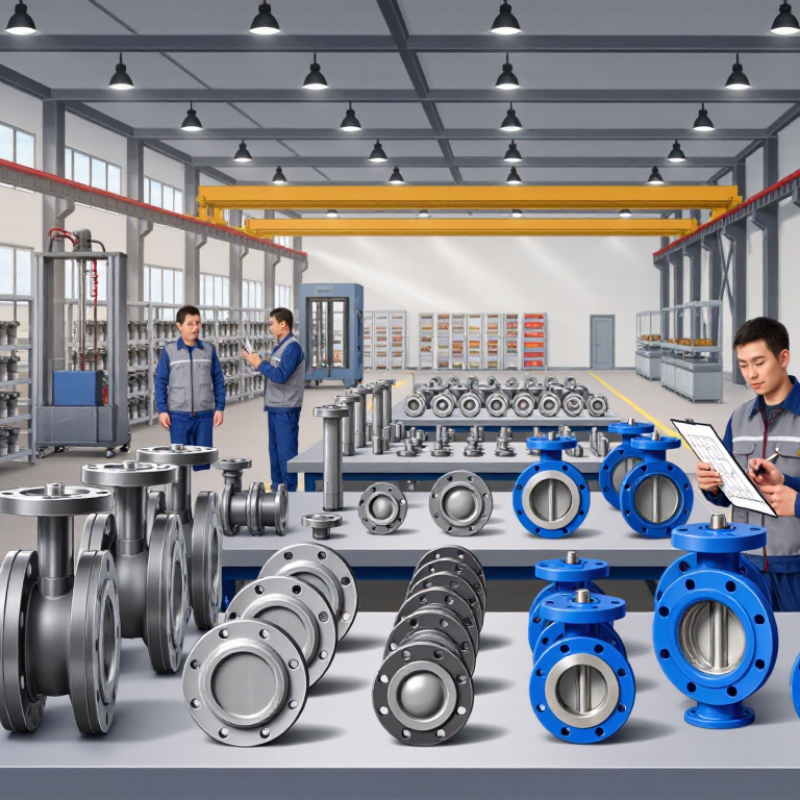
A butterfly valve controls fluid flow with a circular disc mounted inside a pipe. The disc rotates around a central stem. A quarter-turn usually moves it from fully open to fully closed. When the disc aligns with the pipeline, water, air, or process fluid passes through. When it turns across the passage, flow stops. Simple, but not careless.
Most butterfly valves use a resilient seat or a metal sealing surface. The seat presses around the disc edge and helps prevent leakage. Operators may use a handle, gearbox, pneumatic actuator, or electric actuator. These valves are lightweight and require less installation space than many larger valve types. They suit water systems, ventilation lines, and selected industrial services. However, throttling can create turbulence, vibration, or faster seat wear. A valve that works well in clean water may perform poorly with abrasive slurry.
Tips: Check the valve body, disc, stem, and seat against the actual fluid, temperature, pressure, and pipe size. Keep the disc clear of welding debris before installation. Confirm the flow direction when the design requires it. During inspection, look for stem stiffness, external leakage, and unusual operating torque. Do not assume a fully closed disc always provides perfect isolation. In practice, sealing surfaces age, and small particles can prevent tight closure. A short operating test often reveals problems that a visual check misses.
China Best Butterfly Valve Manufacturers and Suppliers?
China has become a major butterfly valve manufacturing center through scale, supply-chain depth, and practical engineering experience. In industrial districts, foundries, machining shops, seal producers, and testing laboratories often operate nearby. This shortens procurement cycles and makes design changes easier to discuss. A valve body can move from casting inspection to CNC machining without crossing several countries. That proximity matters when projects face changing pressure ratings or delivery schedules. It is not magic.
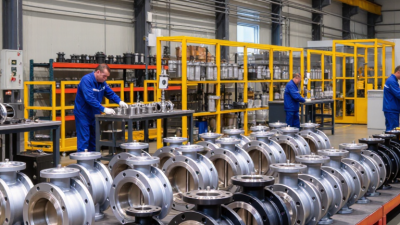
Manufacturers serve water treatment, HVAC, fire protection, chemical processing, and energy projects. Common production steps include pattern making, precision boring, disc balancing, coating, assembly, and pressure testing. Experienced suppliers verify flange dimensions, seat materials, torque requirements, and operating temperatures before quoting. They also maintain inspection records, material certificates, and test reports. For buyers, this evidence is more useful than a polished catalog. Factory visits can reveal details photos miss, such as clean assembly areas, calibrated gauges, and traceable batch labels.
China’s export strength also comes from flexible production. A supplier may handle wafer valves, lug designs, or large resilient-seated units in one facility. Digital machining improves repeatability, while skilled technicians inspect sealing surfaces manually. Still, quality is not uniform across the market. Some suppliers overpromise. Low prices may hide weak documentation, inconsistent coatings, or limited technical support. The industry still has room to improve in after-sales communication and long-term performance tracking.
China’s crude steel output remained above 1 billion metric tonnes annually from 2020 to 2024. This large-scale materials and industrial manufacturing base supports the production of valve bodies, discs, shafts, flanges, and other components used in butterfly valves. The data is an industry-scale indicator and does not represent any individual company or brand.
Source: World Steel Association, Steel Statistical Yearbook and annual crude steel production data.
Chinese manufacturers produce several butterfly valve types for water, chemical, food, and industrial pipelines. Wafer butterfly valves fit between two flanges and save space. Lug valves use threaded inserts and support easier section removal. Flanged valves offer stronger connections for larger pipelines and higher operating pressures.
For demanding systems, double-offset butterfly valves reduce disc friction during opening. Triple-offset designs use a metal sealing arrangement for high-temperature service. Lined butterfly valves resist corrosive media, while sanitary versions provide smoother surfaces for hygienic processing. Reliable suppliers should provide pressure tests, material certificates, dimensional reports, and traceable inspection records. Small details matter, especially disc alignment and seat quality.
Tips: Match the valve body, seat, and disc material with the actual medium. Check temperature, pressure, flow direction, and flange dimensions before ordering. Ask for torque data and cycle-test results. A cheaper valve is not always economical. It may need frequent adjustment. However, selecting the most expensive design can also waste money when the pipeline is simple. Review the working conditions carefully, and leave room for maintenance access. Supplier reliability depends on consistent quality control, not attractive product photos alone.
When evaluating Chinese butterfly valve manufacturers and suppliers, look beyond catalog photographs and low quotations. A reliable assessment begins with the valve’s application. Confirm pressure rating, temperature range, media compatibility, body material, disc material, seat design, and connection standard. A supplier should explain these choices clearly, not simply recommend the cheapest model.
Ask for production records and recent inspection documents. Factory experience matters. During a visit or video audit, check machining areas, assembly benches, storage conditions, and testing equipment. Pressure testing should produce traceable records, including serial numbers and test dates. Review material certificates, dimensional reports, coating details, and actuator calibration data. Small gaps often reveal larger weaknesses.
Communication is equally important. Request a sample before placing a large order, then compare it with the approved drawing. Check flange dimensions, stem movement, labeling, packaging, and spare parts. A polished website proves little. I once saw a supplier provide excellent documents but delay simple technical answers for several days. That inconsistency deserved attention. No supplier is perfect, and even experienced teams can miss a specification. Ask how they handle nonconforming valves, replacement parts, design changes, and late delivery. Clear corrective procedures are more valuable than confident promises. Evaluate production capacity, quality personnel, export experience, and after-sales response together. A practical supplier welcomes detailed questions and records every change in writing.
| Evaluation Dimension | What to Evaluate | Relevant Standards or References | Recommended Evidence | Practical Interpretation |
|---|---|---|---|---|
| Product Scope | Confirm whether the supplier produces the required wafer, lug, or flanged butterfly valve and whether the design is concentric, double-offset, or triple-offset. | API 609; EN 593; applicable project specifications. | Product catalogue, dimensional drawings, section views, and a completed technical data sheet. | The product range should match the service conditions rather than only the nominal size. |
| Pressure and Temperature Rating | Check nominal pressure, pressure-temperature ratings, end connection class, and the permitted operating temperature of the body, disc, shaft, and seat. | ASME B16.34, API 609, EN 593, and the applicable flange standard. | Pressure-temperature tables, design calculations, and signed technical compliance documents. | A valve should be selected using the actual operating and design conditions, not the nominal pressure alone. |
| Body and Disc Materials | Verify material grades, corrosion resistance, compatibility with the medium, casting or forging route, and material traceability. | ASTM material specifications, EN material standards, NACE requirements where applicable. | Material certificates, heat numbers, chemical analysis, mechanical test results, and positive material identification records. | Material documentation should identify the grade, heat number, applicable standard, and inspection result. |
| Seat and Sealing System | Evaluate seat material, resilient or metal-seated construction, leakage direction, chemical compatibility, and replaceability. | API 609; ISO 5208; API 598; EN 12266-1, when specified by the project. | Seat material data, leakage-class information, test records, and cross-sectional drawings. | Soft seats are commonly used for tight shut-off at moderate temperatures; metal seats are considered for more severe service. |
| Manufacturing Quality Control | Review controls for casting, machining, assembly, surface treatment, cleanliness, and final dimensional inspection. | ISO 9001 quality-management principles; approved inspection and test plan. | Process flow chart, inspection and test plan, calibration certificates, nonconformance procedure, and sample inspection reports. | A documented process with traceable inspection points is more reliable than a catalogue claim alone. |
| Pressure and Leakage Testing | Confirm shell testing, seat testing, test medium, test duration, acceptance criteria, and test pressure. | API 598, ISO 5208, or EN 12266-1, according to the purchase specification. | Factory test reports with valve identification, pressure, duration, result, date, and inspector approval. | Test records should be linked to the specific valve or production batch supplied. |
| Dimensional Interchangeability | Check face-to-face dimensions, flange drilling, bore size, shaft interface, mounting pad, and actuator envelope. | ISO 5752; EN 558; ASME B16.5 or ASME B16.47; ISO 5211; applicable flange standards. | Certified dimensional drawings, gauge inspection reports, and actuator mounting details. | Dimensional compliance helps prevent installation problems and actuator misalignment. |
| Actuator and Automation Compatibility | Evaluate manual gearbox, pneumatic, electric, or hydraulic actuation; required torque; fail position; feedback; and control accessories. | ISO 5211; IEC 60534-4 for actuator performance where applicable; project control requirements. | Torque calculations, actuator data sheets, wiring diagrams, valve-and-actuator test reports, and accessory lists. | The actuator should be sized for maximum breakaway and seating torque with an appropriate engineering margin. |
| Certifications and Compliance | Check whether the supplier can meet pressure equipment, fire-safe, drinking-water, hazardous-area, or emissions requirements relevant to the project. | ISO 9001; API 607 or ISO 10497 for fire testing when required; WRAS, NSF/ANSI/CAN 61, ATEX, PED, or other applicable requirements. | Current certificates showing the legal entity, product scope, certification body, validity period, and certificate number. | A certificate is useful only when its scope covers the exact product and intended application. |
| Production Capacity and Lead Time | Assess standard and non-standard size availability, manufacturing capacity, testing capacity, and realistic delivery schedule. | Purchase order requirements, approved manufacturing schedule, and inspection hold points. | Capacity statement, production plan, stock list, delivery records, and agreed milestone schedule. | Lead time should include engineering review, raw-material procurement, production, testing, documentation, and shipping. |
| Inspection and Third-Party Verification | Determine whether inspection by the purchaser or an independent inspection agency is permitted and properly coordinated. | Project inspection plan, EN 10204 documentation requirements, and purchaser quality requirements. | Inspection notification procedure, hold-point schedule, third-party reports, and release note. | Independent verification is particularly valuable for critical, high-pressure, or customized valves. |
| Documentation and Traceability | Review the completeness and consistency of drawings, manuals, certificates, test reports, spare-parts lists, and nameplate data. | EN 10204; project document requirements; applicable pressure-equipment regulations. | Document register, material certificates, final data book, serial-number records, and operation and maintenance manual. | Every certificate and test report should be traceable to the supplied valve, batch, or heat number. |
| After-Sales Support | Evaluate spare-parts availability, technical response, warranty terms, troubleshooting support, and replacement-seat availability. | Contract warranty clauses, service-level agreement, and approved spare-parts schedule. | Warranty policy, service contacts, spare-parts price list, response-time commitment, and maintenance instructions. | Clear support responsibilities reduce downtime and simplify long-term maintenance. |
| Commercial and Supply-Chain Risk | Check quotation clarity, payment terms, packaging, export experience, logistics responsibilities, and consistency between the legal entity and bank details. | Purchase contract, Incoterms® rules, export documentation requirements, and buyer compliance procedures. | Formal quotation, proforma invoice, company registration documents, packaging specification, and referenceable transaction records. | Transparent commercial documentation and consistent legal information help reduce procurement and delivery risk. |
Butterfly valves made in China serve many industries because they are compact, economical, and adaptable. Water treatment plants use them on intake lines, filtration systems, and treated-water pipelines. Their quarter-turn operation helps operators isolate equipment quickly. Large-diameter valves also reduce installation weight and space requirements.
HVAC contractors install these valves in chilled-water, cooling-tower, and heating networks. Power stations use them for cooling water, ash handling, and auxiliary pipelines. Chemical plants may select lined bodies or corrosion-resistant discs for less aggressive media. Food and beverage facilities often require stainless-steel construction, smooth internal surfaces, and hygienic sealing. Mining sites use rugged valves for slurry and process-water service, although abrasive particles can shorten seat life.
Chinese manufacturers also supply valves for shipbuilding, irrigation, fire protection, and general industrial utilities. A qualified supplier should provide pressure testing records, material certificates, dimensional drawings, and traceable serial numbers. Good practice includes checking the medium, temperature, pressure, pipe standard, actuator torque, and installation position before ordering. ISO-based quality systems can support consistency, but certificates alone prove little. Actual test evidence matters.
The cheapest option may mislead. A poorly selected seat can fail early. Field conditions are often harsher than the purchase specification suggests. Engineers should compare cycle life, spare-part access, coating quality, and after-sales response. Supplier audits and sample inspections add time, yet they can prevent costly shutdowns.