How to Choose a Duplex Basket Strainer?
Choosing a duplex basket strainer is not just a matter of matching pipe size. The right unit helps protect pumps, valves, and heat exchangers while allowing one basket to remain online during cleaning. That can reduce interruptions in systems where continuous flow matters. Still, a duplex design is not automatically the best fit for every application.
Flow rate, operating pressure, temperature, fluid viscosity, and expected debris all affect the choice. Small details matter. A basket that is too fine can cause pressure drop to rise quickly. A basket that is too coarse may allow harmful particles to pass downstream. Housing and basket materials also need to suit the fluid and operating environment. Stainless steel may be appropriate in many services, but compatibility should be checked against the actual process conditions.
Before comparing models, establish normal and peak flow, allowable pressure loss, and a realistic cleaning interval. Check that the pressure rating and connection type match the installed piping. Consider how operators will switch flow between chambers, isolate a basket, and safely remove collected debris. These practical steps are easy to overlook on a specification sheet. Even careful selection involves trade-offs: a larger unit may offer more basket area, yet require more installation space. This guide explains how to assess these factors and choose a duplex basket strainer that fits the system, rather than relying on a single specification or broad product claim.
Understand How a Duplex Basket Strainer Works
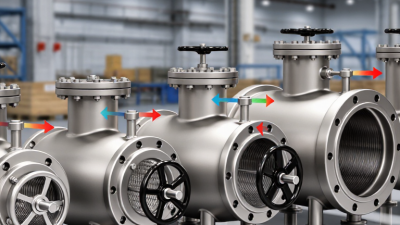
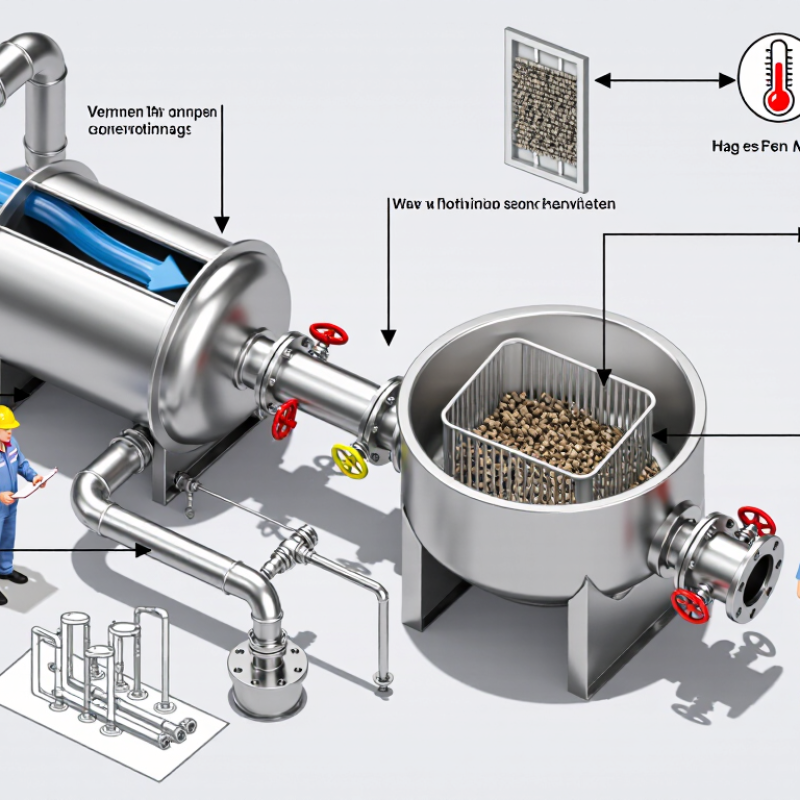
A duplex basket strainer contains two chambers, each fitted with a removable perforated or mesh basket. During normal operation, a diverter valve sends liquid through one chamber while the other remains isolated. The basket catches debris before it reaches pumps, valves, or downstream equipment. Simple in principle. The details matter: basket opening size must suit the particles that need to be removed, and the strainer body must match the line’s flow and pressure conditions.
When debris builds up, pressure loss across the active basket usually rises. An operator can switch flow to the clean chamber, then isolate and open the dirty side for cleaning. Never assume every valve arrangement permits this without interrupting flow; confirm the operating sequence from the equipment drawings. The U.S. Department of Energy’s Improving Pumping System Performance sourcebook estimates that pumping systems use nearly 20% of global electricity, and 25–50% of energy in some industrial operations. It does not assign those figures to strainers, but it shows why avoidable flow resistance deserves attention.
For selection, check the expected flow rate, fluid viscosity, operating pressure, and basket open area, not just the pipe connection. A differential-pressure gauge helps show when cleaning is due; a fixed schedule alone can miss sudden fouling. I would also verify how the cover opens and whether the basket can be lifted out safely in the available space. Small detail, often overlooked. ISO 16889 describes multipass testing for hydraulic filter elements, including particle-count-based performance measures; those results are not a direct rating for basket strainers, so request strainer-specific test data when comparing designs.
Define Your System’s Flow, Pressure, and Fluid Requirements
Before selecting a duplex basket strainer, define the operating envelope—not just the pipe size. Record normal and peak flow, operating pressure, temperature, and fluid composition. Include viscosity and the size and type of debris, such as weld scale or fibrous particles.
Small details matter.
A viscous liquid can create a larger pressure drop than clean water at the same flow.
Size the strainer for peak flow and check the manufacturer’s pressure-drop curve at that rate. Allow for the basket as it collects debris; a clean-basket reading alone can be misleading.
The U.S. Department of Energy’s Improving Pumping System Performance sourcebook reports that pumping systems use nearly 20% of global electricity.
That makes avoidable flow resistance worth checking, especially in systems that run continuously. I still verify the actual fluid conditions: design assumptions can miss seasonal changes.
Confirm the body’s pressure-temperature rating, basket perforation or mesh, and wetted-material compatibility with the fluid. Also check that the changeover arrangement can isolate one chamber while the other remains online. Leave enough clearance to remove and clean the basket safely.
Set a differential-pressure limit for cleaning, based on the system’s allowable pressure loss and equipment needs—not a guess.
Select the Basket Material and Filtration Rating
A duplex basket strainer must match the fluid, operating temperature, and cleaning routine. Stainless steel baskets suit many water and process-fluid applications, but material compatibility should be checked against the fluid’s chemistry. Corrosive liquids may require a different alloy or a suitable coating. Also confirm the basket can withstand the system’s pressure and flow. A material that looks robust may still wear quickly if solids are abrasive.
Choose a filtration rating based on the particles you need to capture, not simply the finest screen available. Ratings may be stated in microns or mesh, and these are not always directly comparable. Ask whether a stated micron rating is nominal or absolute. Finer openings can protect downstream equipment, yet they may also increase pressure drop and clog sooner. There is no universal best rating; actual particle size and flow conditions matter. Test data from your process is useful, though it may not tell the whole story.
Tips: Check the fluid’s temperature and chemistry before selecting basket material. Measure twice. Confirm the rating with the equipment supplier, and monitor pressure difference after installation. A short trial can reveal problems that a specification sheet misses.
Size the Strainer for Flow Capacity and Pressure Drop
For a duplex basket strainer, size for peak flow, not just the normal operating rate. Check the required flow at the fluid’s actual viscosity and temperature. Then compare the strainer’s clean and dirty pressure-drop curves at that flow. A small basket may pass the nominal rate but create excessive resistance as debris collects. That margin is easy to overlook.
The Flow of Fluids Through Valves, Fittings, and Pipe, Technical Paper 410, uses the loss-coefficient relationship
ΔP = Kρv²/2
to estimate pressure loss. Here, K represents flow resistance, ρ is fluid density, and v is velocity. Use the strainer’s documented K value or tested curve, rather than treating it like a straight pipe. Confirm the allowable pressure drop with the pump curve and process requirements. For viscous fluids, ask for performance data at the expected operating temperature; water-based curves may mislead.
Tips: Record the clean-strainer pressure drop at design flow. Set a maintenance trigger before the dirty-basket limit is reached. Verify both chambers can meet peak demand during changeover. Keep the calculation sheet—future operators may need to challenge its assumptions.
Compare Switching, Maintenance, and Installation Features
A duplex basket strainer lets operators divert flow to a clean chamber while servicing the loaded basket. Compare the changeover method: a clear, positive-position indicator helps prevent uncertain switching, while the procedure should avoid trapping pressure in the isolated chamber. That detail matters. The U.S. Department of Energy’s Improving Pumping System Performance: A Sourcebook for Industry reports that pumping systems can account for 25–50% of energy use in some industrial facilities. That figure is not a strainer-efficiency rating, but it underscores why checking pressure drop and basket condition belongs in routine operation.
Maintenance access can matter more than a compact footprint. Check whether the cover can be lifted without moving nearby pipes, and whether the basket can be removed with ordinary tools. Keep it accessible. For installation, confirm the flow direction, operating pressure, temperature, and available clearance against the equipment documentation. Support connected pipework independently where needed; a heavy, misaligned line can complicate servicing. I still find drain and vent placement easy to overlook. Yet safe depressurizing and basket removal depend on them. Record clean-basket pressure readings during commissioning, then compare them with readings in service. The trend helps teams plan cleaning before flow becomes a problem.