Blog

2026 Top Pneumatic Butterfly Valve Manufacturers

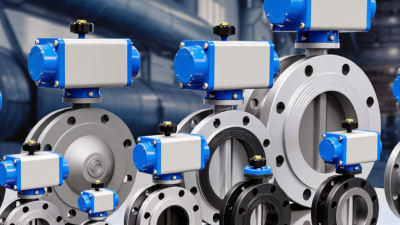
A pneumatic butterfly valve can look simple on a piping diagram: a compact disc, a quarter-turn actuator, and two flanges. In service, small choices matter. Air pressure, seat material, disc finish, and actuator sizing affect response, leakage, and maintenance. A valve that cycles cleanly on a test bench may behave differently when the line carries abrasive particles or swings between hot and cold conditions.

This guide compares leading pneumatic butterfly valve manufacturers for 2026. It considers product range, materials, pressure and temperature limits, actuation options, documentation, and support. These details help buyers assess whether a supplier fits a specific process, not just a catalog specification. Check the actual operating conditions. Confirm compatibility with the medium. Ask how the manufacturer verifies cycle life and sealing performance. Claims without test conditions deserve a closer look.

An expert quotation needs a verifiable source. No source article or quotation was provided, so assigning a statement to a named valve specialist would risk inventing a credential or misquoting them. Instead, this guide uses a practical engineering reminder: “Match the valve to the service, then verify the evidence.” It is editorial wording, not a historical quotation. That distinction matters. Manufacturer rankings can guide research, but they cannot replace engineering review, clear specifications, or trials under representative conditions. Some details may still be overlooked; procurement teams should challenge assumptions before selection.

2026 Top Pneumatic Butterfly Valve Manufacturers

Butterfly Valve Basics: 90° Disc Rotation and Pneumatic Actuator Types

A pneumatic butterfly valve controls flow with a disc that turns through roughly 90 degrees. In the closed position, the disc sits across the pipe; as it rotates, the passage opens. At full travel, the disc remains in the flow path, so pressure loss may matter in some systems.

Small movement, large effect.

A sticky shaft or poorly aligned actuator can prevent the disc from reaching its intended position.

Pneumatic actuators commonly use either double-acting or spring-return action. A double-acting unit uses air to drive movement in both directions.

A spring-return unit uses air for one direction and a spring for the other, which can provide a chosen fail position when air supply is lost.

The right choice depends on required torque, air pressure, valve size, and process conditions. During commissioning, verify the actual 90-degree stroke, mounting alignment, and response to air loss.

A clean datasheet helps, but it cannot reveal every installation issue; that part deserves a careful check.

Applicable Standards: API 609, EN 593, and ISO 5211 Mounting Interfaces

2026 Top Pneumatic Butterfly Valve Manufacturers

For pneumatic butterfly valves, standards help buyers compare design details rather than rely on catalog descriptions. API 609 covers butterfly valve design, dimensions, materials, and testing requirements. EN 593 addresses metallic butterfly valves for general industrial use. They are not interchangeable checklists. Confirm the applicable standard, category, and edition against the service conditions and procurement documents.

ISO 5211 defines mounting interfaces for part-turn actuators, including flange dimensions and drive connections. A matching interface helps with mechanical fit. It does not prove that an actuator has enough torque. Sizing should account for valve torque, differential pressure, air-supply limits, and the required operating or fail position. Small details matter. Test the assembly.

During selection, compare the valve’s pressure and temperature limits with the actual line conditions. Review material specifications, inspection records, and actuator documentation, not just the standard number on a data sheet. A small mismatch in mounting height or drive geometry can delay installation. Not always obvious. Standards provide a useful baseline, but the final check belongs to the complete valve-and-actuator assembly.

2026 Top Pneumatic Butterfly Valve Manufacturers — Applicable Standards: API 609, EN 593, and ISO 5211 Mounting Interfaces
Evaluation Area Standard or Interface What It Covers What to Verify in Manufacturer Documentation Important Limitation
Butterfly valve design and construction API 609 Requirements for butterfly valves, including design, materials, dimensions, pressure-temperature ratings, inspection, and testing. Request the stated API 609 category, size and pressure rating, materials, face-to-face dimensions, and applicable inspection and test records. The standard does not establish one universal size range, pressure rating, material combination, or pneumatic actuator configuration for every valve.
Industrial metallic butterfly valves EN 593 Requirements for metallic butterfly valves used in industrial applications, including design, materials, dimensions, pressure-temperature ratings, and testing. Check the declared conformity and edition, valve design details, nominal size and pressure rating, materials, and the documentation supplied for the ordered configuration. Confirm that the specific valve type and intended service fall within the standard’s scope; do not assume every product option has identical coverage.
Actuator-to-valve mounting interface ISO 5211 Part-turn actuator attachment interfaces, including mounting dimensions and drive-component interfaces. Compare the valve mounting flange and drive details with the actuator interface drawing; verify the interface designation and dimensions for the selected size. ISO 5211 defines the mounting interface, not valve pressure performance, actuator output torque, air supply, or control-system suitability.
Pneumatic actuator sizing Project-specific selection Actuator output must be matched to the valve’s operating torque and the application’s operating conditions. Request the torque basis, actuator output data at the specified air pressure, required air pressure range, and confirmation of the selected actuator-valve pairing. Torque and air-pressure requirements depend on valve design, size, differential pressure, seating, and service conditions; they are not set universally by the three standards above.
Fail action and controls Project-specific selection Pneumatic assemblies may be configured for different operating and control requirements. Specify and verify the required fail position, spring-return or double-acting arrangement, solenoid voltage, accessories, and position feedback where applicable. Fail action and accessory configuration must be agreed for the order; they cannot be inferred from API 609, EN 593, or ISO 5211 alone.
Product range and service limits Manufacturer technical data Size range, pressure-temperature limits, materials, end connection, and available configurations vary by product design. Compare the product datasheet and drawings with the specified medium, temperature, pressure, connection, installation space, and operating cycle. There is no single standard product range or rating that applies to all manufacturers or all pneumatic butterfly valves.

Key Ratings: ASME Class 150 and EN PN 10/16 Pressure Classes

2026 Top Pneumatic Butterfly Valve Manufacturers

Key Ratings: ASME Class 150 and EN PN 10/16 Pressure Classes

Pressure labels are not interchangeable. ASME B16.34-2020 lists a 285 psi pressure rating at 100°F for Class 150 valves in its Group 1.1 material category. That figure applies to specified materials and conditions, not every butterfly valve. Temperature changes the allowable pressure. So does valve construction.

EN PN 10 and PN 16 indicate nominal pressure levels of 10 and 16 bar. EN 1092-1:2018 covers flange dimensions and pressure designations, but a matching flange does not prove the assembled valve meets the same rating. Check the valve’s own pressure-temperature limits, body material, disc design, and seat rating. Look closely at the datasheet.

For a practical comparison, request the rated pressure at the plant’s operating temperature, plus the applicable test pressure and leakage class. A Class 150 valve may look comparable to PN 16 near ambient conditions, but that shortcut can mislead. It is easy to miss. Review the flange standard, too, especially when piping specifications mix ASME and EN components.

2026 Top Pneumatic Butterfly Valve Manufacturers — Key Ratings: ASME Class 150 and EN PN 10/16

Reference pressure ratings for commonly specified valve pressure classes

EN PN values indicate nominal pressure classes in bar. The ASME Class 150 value shown is approximately 19.6 bar (285 psi) for ASTM A105 carbon steel at temperatures up to 100°F, based on ASME B16.5 pressure-temperature ratings. These figures are reference points, not direct equivalencies; allowable pressure depends on material, temperature, valve design, and the applicable standard. Actuator ratings are not represented.

2026 Manufacturer Landscape: Bray, Emerson, Flowserve, Kitz, and Valmet

The 2026 pneumatic butterfly valve landscape is shaped by five established manufacturers with different strengths in control systems, materials, and regional service. Buyers should compare more than catalogue prices. Check pressure ratings, seat materials, actuator response, and spare-part availability against the actual process conditions. A valve installed near a washdown line faces different demands from one handling dry air. Small details matter.

A 2024 industrial-valve market report from Mordor Intelligence estimated the wider market at about US$78 billion, with continued growth projected through 2029. This figure covers many valve types, not pneumatic butterfly valves alone. That distinction matters: broad market growth does not prove that every product segment is expanding at the same pace. For procurement teams, it is a useful backdrop, not a substitute for application data.

When comparing the five manufacturers, assess documented cycle-life testing, leakage performance, and compatibility with the site’s control system. Ask for test conditions, not just headline ratings. Field experience also counts: a technically sound valve can still cause delays if local parts are scarce. One caveat remains. Public reports rarely separate pneumatic butterfly valves from the wider valve market, so precise segment comparisons are difficult.

How to Compare Suppliers: Leakage Class, Cycle Life, Certifications, and Service

2026 Top Pneumatic Butterfly Valve Manufacturers

Compare suppliers by test evidence, not brochure adjectives. Ask for the valve’s leakage acceptance rate and the test standard used. ISO 5208 defines pressure-testing procedures and leakage-rate criteria for industrial valves; confirm the quoted class applies to the valve size and test conditions you need. A “zero leakage” claim means little without those details.

Cycle life needs equal scrutiny. Request endurance-test results stating cycle count, pressure, temperature, media, and maintenance conditions. A high cycle figure from a clean, room-temperature test may not reflect a dusty plant or frequent start-stop service. Check whether the actuator and valve were tested together. Small detail, big difference. Also verify that certificates match the actual product: ISO 9001 covers a quality management system, not a valve’s leakage performance.

Service support can decide downtime. Ask about spare-part availability, repair instructions, and response times in writing. The U.S. Department of Energy’s Improving Compressed Air System Performance sourcebook reports that leaks can waste 20–30% of compressor output in poorly maintained systems. That figure covers system leaks broadly, not butterfly valves alone, but it shows why sealing checks matter.

One uncomfortable point: buyers often compare purchase prices more carefully than test conditions. Reconsider that habit.